Back Bay or South End: you really cannot go wrong, but each offers a different rhythm of city living. If you are drawn to historic charm, walkable blocks, and easy access to work and play, Boston’s two iconic condo hubs deserve a close look. In this guide, you will compare architecture, amenities, transit, and day-to-day lifestyle so you can decide what fits you best. You will also get a practical checklist to make a confident offer when the right condo hits the market. Let’s dive in.
Back Bay at a glance
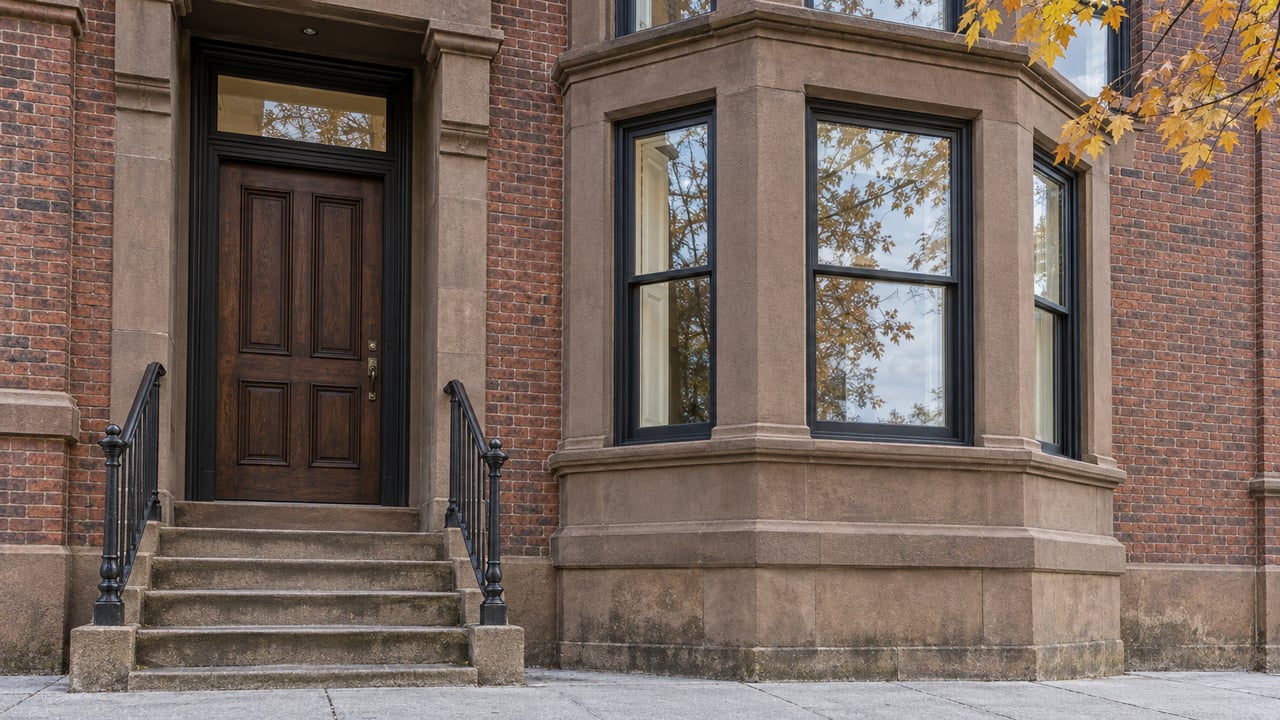
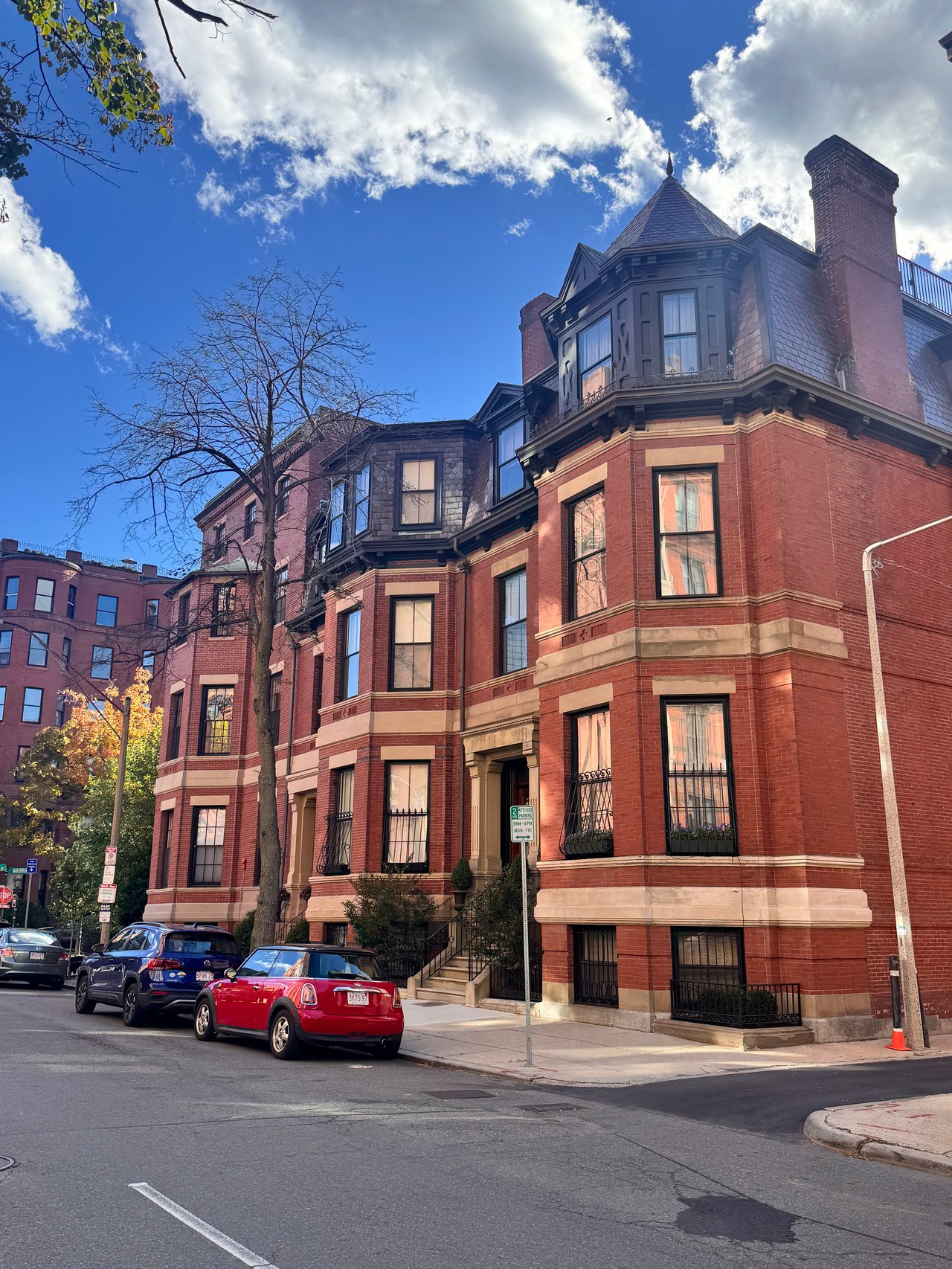
Back Bay is a showcase of 19th-century city planning, built on former marshland with wide boulevards and formal streets. The Commonwealth Avenue Mall, Copley Square, Trinity Church, and the Boston Public Library anchor a classic urban scene. You will see elegant Victorian and Beaux-Arts façades, plus newer luxury towers that add full-service options.
The streets feel grand and active. Newbury and Boylston Streets bring upscale retail and steady visitor energy, while the Charles River Esplanade is close for running, biking, and fresh air. If you want a polished, urban vibe and a central address, Back Bay delivers.
South End at a glance
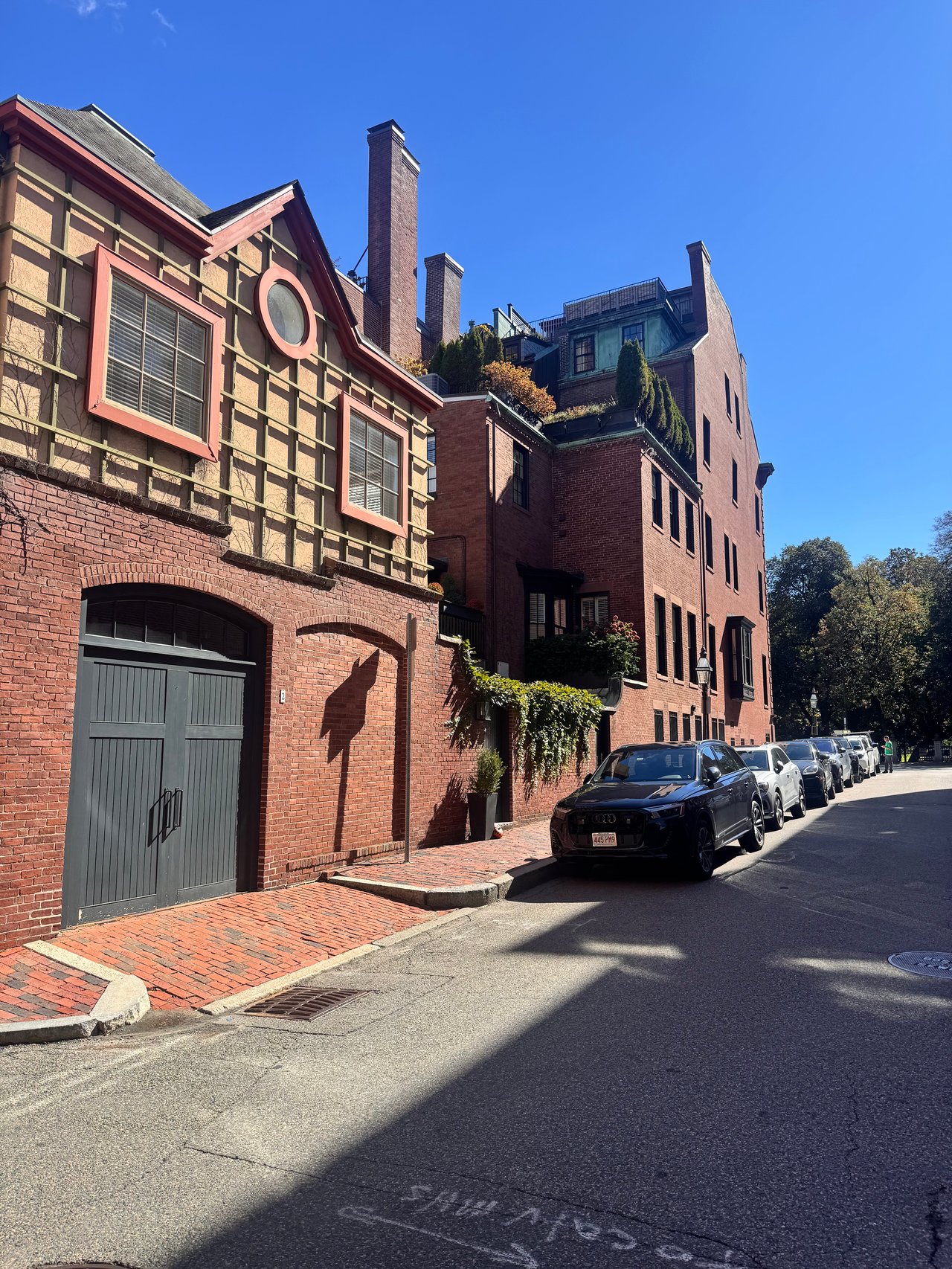
The South End is one of the country’s largest intact Victorian rowhouse districts and is recognized as a National Historic District. Brick townhouses line smaller blocks with pocket parks and community gardens woven through the neighborhood. You will also find many adaptive reuse projects, from loft conversions to modern mid-rise condos.
The feel is intimate and neighborhood-focused. Restaurants, galleries, and the SoWa arts scene make dining and culture part of your weekly routine. If you want character-rich streets and a local, creative energy, the South End stands out.
Condo options and amenities
Back Bay condo types
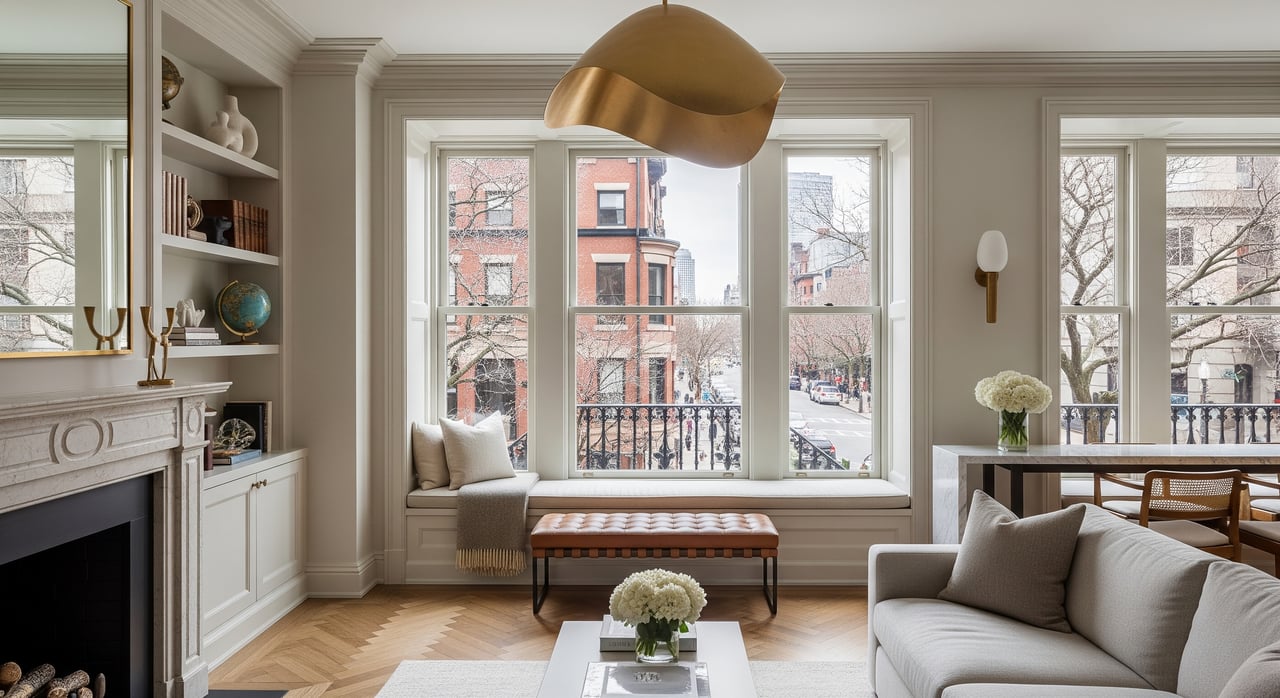
Back Bay offers a wide range of homes, from full-floor residences in converted brownstones to high-rise condos with concierge, valet, and on-site management. Many buildings date to the late 1800s, with a smaller number of 20th and 21st-century towers. You will see a higher incidence of full-service amenities that streamline daily life.
Some condos sit right on marquee streets like Commonwealth Avenue and Newbury Street. That setting brings convenience and prestige, along with more foot traffic. Units vary in size and layout, so compare price per square foot and amenity value when you shop.
South End condo types
The South End’s core inventory is three- to four-story brick townhouses converted into multi-unit condominiums. Many offer larger interior spaces, high ceilings, and private outdoor areas like roof decks or patios. You will also find lofts in former warehouses and newer mid-rise buildings with modern amenity packages.
Associations range from small, self-managed buildings to full-service developments. Smaller associations may have lower fees, with fewer amenities and sometimes leaner reserves. Newer buildings can offer elevators, gyms, and garages, which change both your lifestyle and monthly costs.
HOA fees and services
In Back Bay, full-service buildings with doormen or concierges often have higher HOA fees because they cover staff, amenities, and robust professional management. In the South End, many smaller associations keep fees lower, but they may not include extras like elevators or on-site fitness rooms. Always review what your fee covers, such as heat, hot water, reserves, snow removal, and property management.
Walkability and transit
Both neighborhoods are top-tier for walkability. Daily needs like groceries, cafes, and fitness are close by in either place. Back Bay leans toward an upscale retail mix and visitor services, while the South End is more neighborhood-oriented with destination dining and galleries.
Transit access is strong in both areas. Back Bay Station provides efficient regional rail and subway connections, and major arteries are nearby. The South End is very walkable to Orange and Green Line connections and a range of bus routes. Your exact commute depends on your block and job location, so test it at the times you travel.
Lifestyle trade-offs to weigh
- Prestige and formal urban setting vs. intimate neighborhood feel
- Upscale retail and tourist energy vs. local dining and arts scene
- Full-service buildings and concierge living vs. more interior space and private outdoor areas
- Busier streets and hotels nearby vs. quieter residential blocks with lively restaurant rows
- Higher-fee amenity buildings vs. smaller associations with simpler services
Parking and car use
Parking is tight in both neighborhoods. In Back Bay, some luxury buildings provide garage or valet options that add convenience and cost. In the South End, many brownstone conversions do not include deeded parking, though newer developments often add garage spaces.
Plan your transportation strategy early. Consider resident permit parking rules, nearby garage availability, and whether you will rely on transit, rideshare, or cycling. If parking is nonnegotiable, make it part of your search criteria from day one.
Renovation and historic rules
Back Bay and the South End both fall under historic-district protections. Exterior changes, rooftop additions, and certain materials often require commission review. This is important if you are planning window replacements, façade work, or roof decks.
Historic rules can also influence long-term maintenance costs. Matching materials and craftsmanship may be required. If you have renovation plans, check the applicable district guidelines early in your process.
Financing and insurance tips
Brownstone conversions can come with unique lending considerations. Older building systems, smaller associations, or limited comparable sales may affect underwriting. Lenders often review owner-occupancy ratios, association delinquency, reserve balances, and whether a single owner holds multiple units.
Insurance is another key area. Historic properties can have higher replacement costs due to materials and review requirements. Confirm the association’s master coverage and what you need to cover at the unit level, including interior improvements and personal property.
Buyer due diligence checklist
Use this checklist to compare options with clarity:
Building-level
- Review the most recent reserve study and capital improvements.
- Read 12–24 months of association meeting minutes.
- Confirm HOA fees and what is included, such as heat and hot water.
- Ask about parking: deeded vs. assigned, and guest policies.
- Check pet policies and any restrictions.
- Evaluate elevator access and overall accessibility.
- Confirm association insurance and required owner coverage.
Unit-level
- Inspect roof, façade, windows, HVAC, plumbing, and electrical systems.
- Assess sound insulation, especially in lofts and conversions.
- Understand historic-district limits on exterior changes and rooftop additions.
Legal and transactional
- Verify that the unit was created under a recorded condominium plan.
- Check for pending litigation against the association.
- Confirm clear title and review any easements.
Neighborhood and lifestyle
- Visit at different times to gauge foot traffic and noise.
- Map your commute to work, healthcare, and childcare.
- Confirm resident parking rules and permit availability.
Which neighborhood fits you
If you lean Back Bay
You want a polished city address with classic architecture and a strong amenity set. You like the idea of concierge service, efficient regional rail access, and living near signature boulevards and public spaces. You are comfortable with livelier streets and higher HOA fees in exchange for convenience and prestige.
If you lean South End
You value neighborhood-scale blocks, chef-driven dining, and creative energy. You want interior space and possibly private outdoor areas, and you are open to a smaller association or a modern mid-rise. You prefer a residential feel after hours, with quick access to transit and weekend markets.
How Steph Crawford Group helps
Choosing between Back Bay and the South End is easier with a clear, data-informed plan. Our team focuses on neighborhood-level insights, building-by-building nuances, and the trade-offs that matter to you. We align your search with your commute, budget, HOA preferences, and renovation goals.
We also guide you through due diligence, from association health to financing and insurance details that affect your monthly costs and long-term value. When you are ready, we will help you compare real-time pricing, negotiate with confidence, and close smoothly. If you are weighing Back Bay or South End condos, connect with the Steph Crawford Group to get a tailored search, vetted options, and a proven path to the right home.
FAQs
What are the main differences between Back Bay and the South End?
- Back Bay offers formal boulevards, upscale retail, and more full-service buildings, while the South End offers intimate townhouse blocks, pocket parks, and a renowned dining and arts scene.
How do HOA fees compare between Back Bay and South End condos?
- Back Bay’s full-service buildings often have higher fees for staffed amenities, while many South End associations keep fees lower with simpler services, though newer South End buildings may match full-service levels.
Is parking easier in Back Bay or the South End?
- Parking is limited in both; some Back Bay buildings include garage or valet options, while many South End brownstone conversions lack deeded spaces but newer developments often add garages.
Are there special rules for renovations in these neighborhoods?
- Yes, both are under historic-district oversight, so exterior changes and rooftop work typically require review, which can affect timelines and material choices.
What should I check before making an offer on a condo?
- Review association reserves and minutes, confirm HOA inclusions, examine building systems, verify the recorded condo plan, check for litigation, and test your commute at your usual travel times.