What if your front door opened to everything you need within a few blocks? In Boston’s North End, you can live on foot and still reach downtown jobs, waterfront parks, fresh markets, and dinner with friends in minutes. If you are weighing life without a car, this guide shows you how it works day to day, what it costs, and where the tradeoffs are. Let’s dive in.
Why the North End works car free
The North End is one of Boston’s most walkable neighborhoods, with a Walk Score of 99 that signals a true walker’s paradise. Most streets are narrow and historic, which naturally keeps trips short and on foot. You sit at the edge of downtown and the Harbor, so daily routines often look like a quick stroll for coffee, a jog along the waterfront, or a two-stop ride on the T.
Just a few minutes from your block, the Rose Kennedy Greenway and the waterfront parks create a long ribbon of public space. That puts outdoor time, community events, and casual meetups right in your path. You spend more time enjoying the city and less time searching for a parking spot.
Errands, food, and daily ease
Groceries within a few blocks
Two neighborhood staples cover most fresh-food needs without a trunk full of bags. The Boston Public Market offers year-round local vendors and everyday staples, and it lists easy walking distances from the North End and nearby transit for planning your trips. On Fridays and Saturdays, Haymarket’s open-air stalls bring in affordable produce a short walk away. Many residents combine both in one outing, then head home on foot.
- Visit the indoor market for daily shopping at the Boston Public Market.
- Stock up on produce at Haymarket on Fridays and Saturdays.
You will also find specialty Italian purveyors throughout the neighborhood for pantry staples and prepared foods. For example, Polcari’s Coffee is a long-standing shop for beans and dry goods that fits the small-format, walk-in lifestyle.
Pharmacies, banking, and services
Because the North End edges downtown, you can reach pharmacies, banks, clinics, and other everyday services on foot or with a short T ride. Many condo buildings handle packages and deliveries with secure rooms or concierge support, which keeps a car-free routine running smoothly.
Transit, ferries, and bikes
MBTA stations a short walk away
While the North End’s interior streets do not host a T stop, you can walk to multiple stations in about 5 to 15 minutes depending on your block. Haymarket and North Station connect you to the Green and Orange Lines, and North Station links directly to commuter rail lines serving the northern suburbs. Aquarium on the Blue Line is also within a comfortable walk along the Harbor.
The MBTA’s contactless tap rollout in 2024 makes quick trips simpler if you are not carrying a CharlieCard. You can read about the change in this local update on contactless fare payments.
Ferries from Long Wharf
Ferry routes centered at Long Wharf add another car-free option for select commutes and weekend plans. Year-round and seasonal routes serve nearby destinations like Charlestown and the Harbor Islands. Since schedules change, check current service on Boston Harbor Now’s ferry overview before you go.
Bluebikes and e-bikes
Metro Boston’s Bluebikes network fills in the gaps for quick crosstown trips. Stations near and around the North End make it easy to hop to the Seaport, Downtown, or Cambridge without a transfer. The City has been expanding station coverage in and around the area through 2024 and 2025, which helps if you prefer an e-bike for heavier grocery runs. Explore passes and stations at Bluebikes.
Occasional car access
If you need a car for a day trip or a larger haul, you have options. Car-share fleets and on-demand rentals operate in Boston, and ride-hail and taxis are common along the waterfront and downtown. Many residents find these occasional tools are enough to cover the few times a private car would be convenient.
Housing, parking, and what to expect
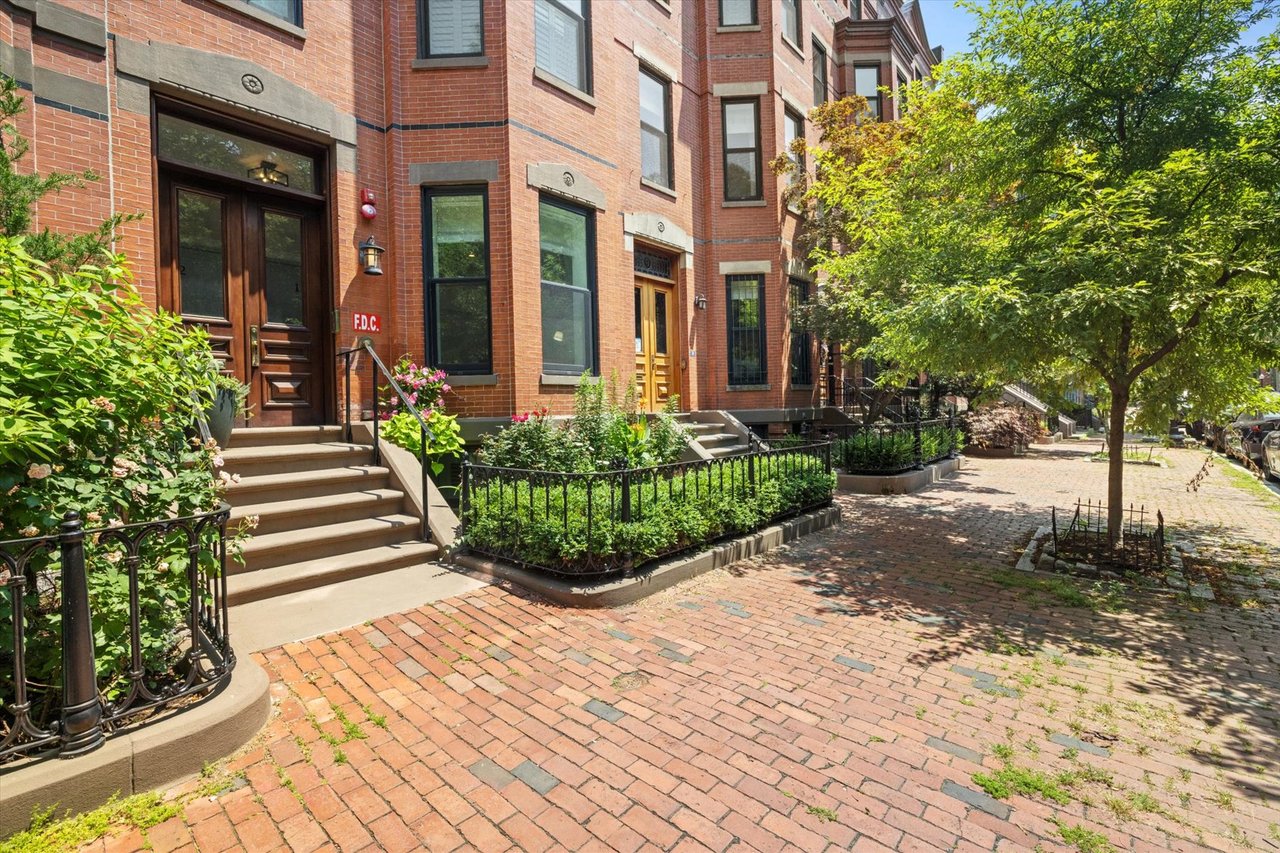
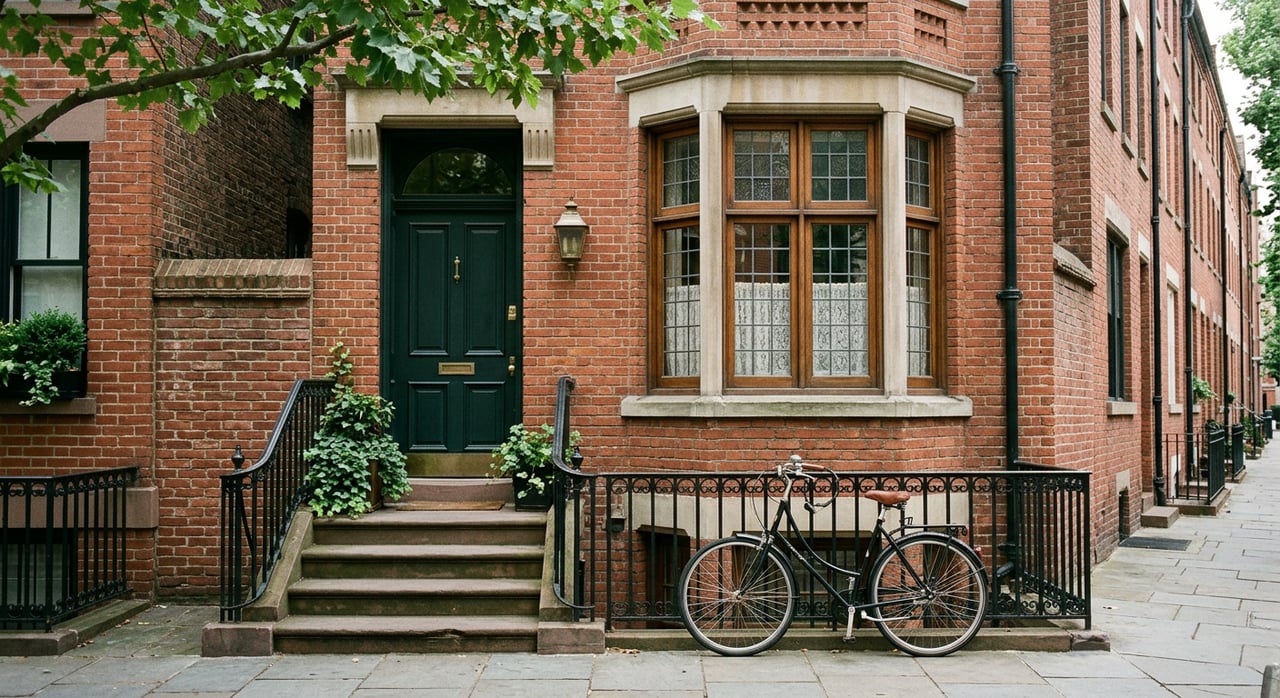
The North End’s housing stock is mostly older rowhouses, historic walk-ups, and converted condos. Many buildings do not include off-street parking, which is one reason so many locals adopt a car-free lifestyle. If you do plan to own a car, resident-permit zones and narrow streets can make daily driving and storage more complex.
Public garages help when guests visit or for short-term parking. The Parcel 7 garage above the Boston Public Market is a popular choice, and the market highlights active validation programs that reduce short-stay costs for shoppers and diners. Always confirm current validation and hours at the Boston Public Market parking page.
Monthly garage parking downtown can add a large recurring cost. Listings commonly show prices in the low to high hundreds per month depending on location and amenities. You can scan current ranges on SpotHero’s monthly Boston parking page.
Owning and operating a vehicle adds more than just parking. AAA’s annual “Your Driving Costs” analysis places typical new-vehicle ownership in the low five figures per year once fuel, insurance, maintenance, and depreciation are included. Review the latest breakdown from AAA when you compare budgets.
Pros and tradeoffs to consider
Why many professionals and downsizers love it
- Time back in your week by skipping maintenance, fueling, and parking hunts.
- Daily access to the waterfront, markets, and restaurants without planning a drive.
- Potentially lower monthly mobility costs if you combine the T, Bluebikes, walking, and occasional car-share instead of full-time car ownership plus a monthly garage.
What to plan around
- Limited off-street parking means daily car use can be difficult, and resident street parking rules add complexity.
- Narrow historic streets can feel tight for large vehicles and moving days.
- The neighborhood draws visitors, so summer and weekend activity along main corridors and the waterfront can feel busier.
How to live car free in the North End
Use these practical steps to make a smooth transition.
Set up your mobility toolkit
- Keep a contactless payment card or device ready for the T, which now supports tap-to-pay across buses and subways per this MBTA update.
- Save walking routes to Haymarket and the Boston Public Market for weekly grocery runs. Start your list with Haymarket’s produce and finish at the Boston Public Market.
- Consider a Bluebikes membership for quick cross-city trips. Learn more at Bluebikes.
Plan the occasional vehicle needs
- For a big shop or a weekend away, book a short car-share or on-demand rental. You only pay when you actually need it.
- For moving days or deliveries, check the City’s guidance on permits and timing so curb space is available when you need it. Start with the City’s moving page.
Airport access without a car
- To reach Logan, you have multiple options from the waterfront and downtown. Common routes include the Blue Line to Airport Station with a free Massport shuttle, or the Silver Line SL1 from South Station. Review current choices on Massport’s public transportation page.
Is a car-free North End lifestyle right for you?
If you work in the core, enjoy being on foot, and prefer low-maintenance living, the North End checks a lot of boxes. You trade a garage bill for markets, parks, and short walks to transit, and you can still tap car-share or ferries when plans change. If you need daily vehicle access or long-term storage, factor in garage pricing and permit logistics early. A thoughtful plan makes the neighborhood’s best qualities shine.
Curious which blocks feel the most convenient for your routine, or which buildings offer elevators and strong package rooms that support a car-free lifestyle? Let’s map it out together. Reach out to the Steph Crawford Group to compare buildings, plan your move, and tour listings on your timeline.
FAQs
Do you need a car to live in Boston’s North End?
- No. With a Walk Score of 99, frequent nearby MBTA stations, Bluebikes, ferries, and car-share, most residents manage daily life without owning a car.
Which T stations serve the North End area?
- Haymarket and North Station are a short walk and connect to the Green and Orange Lines, with commuter rail at North Station; Aquarium on the Blue Line is also walkable along the Harbor.
Where do you buy groceries without a car?
- Combine Haymarket on Fridays and Saturdays for produce with everyday shopping at the Boston Public Market, plus local specialty shops for pantry items.
How do you get to Logan Airport without driving?
- Take the Blue Line to Airport Station with a free Massport shuttle or ride the Silver Line SL1 from South Station; check options on Massport’s transit guide.
Where can guests park when visiting?
- Public garages near the Greenway and downtown, including the Parcel 7 garage above the Boston Public Market, are common choices; confirm current rates and validation on the market’s parking page.