By Steph Crawford, Boston Luxury Real Estate Specialist
A South End luxury condo is usually a fully renovated unit in a historic brownstone or a newer building with modern finishes, in-unit amenities, and a location within walking distance of the neighborhood's parks and restaurants. Buyers choose the South End for its architecture, its walkability, and its strong sense of community. If you are considering one, this guide covers what to expect in today's South End Boston real estate market and what to review before you make an offer.
What Defines a South End Luxury Condo
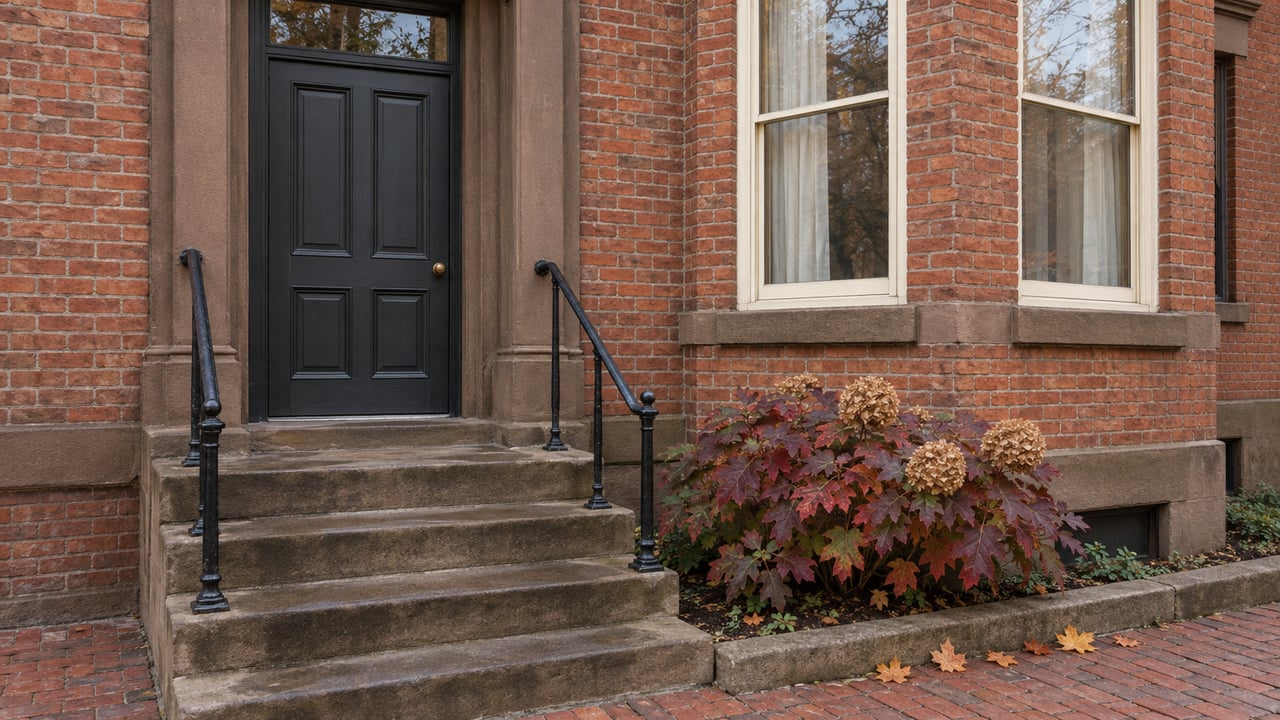
South End condos range from full-floor residences in converted Victorian rowhouses to newer buildings with garages, fitness rooms, and roof decks. Many well-kept units retain original details such as crown molding, tall windows, and exposed brick, paired with updated kitchens and bathrooms. Because the word luxury is used loosely in listing copy, buyers should judge finish quality, layout, outdoor space, and parking directly rather than rely on marketing language.
Choosing the Right Block
The South End is not one uniform streetscape. Blocks near Union Park feel quiet and tree-lined, while areas closer to Washington Street and Tremont Street bring more foot traffic, restaurants, and shops. Some buyers want the energy of a busy corner, and others want a residential side street. Boston real estate buyers often find the block matters as much as the building, so walk a few blocks at different times of day before deciding. You can learn more on our South End neighborhood page.
What to Review Before You Make an Offer
Condo documents tell you as much as the showing does. Ask for the master deed, bylaws, rules and regulations, recent financial statements, and the reserve fund balance. Look for pending special assessments, litigation, and planned capital projects. Pay attention to owner-occupancy ratios, rental policies, and pet restrictions, especially if you may rent the unit later. An attorney familiar with Boston condo transactions can help you interpret these documents before you commit.
Understanding Condo Fees and Reserves
Monthly fees in luxury buildings often cover doormen, concierge services, gyms, rooftop spaces, insurance, and reserves. A higher fee is not automatically a red flag, and a low fee can sometimes signal deferred maintenance. A healthy reserve fund is a good sign of a well-managed building. Compare fees per square foot across buildings rather than looking only at the total monthly number.
Parking, Storage, and Outdoor Space
Parking in the South End is limited, so a deeded space or garage access can meaningfully affect a unit's appeal and resale value. Storage is another daily consideration in older buildings. Private outdoor space, such as a terrace or patio, is often one of the first features buyers ask about. Make a list of your must-haves before you start touring so you can compare properties fairly.
How the Boston Real Estate Market Looks in the South End Right Now
Well-presented units priced in line with recent closed sales continue to attract attention. Properties priced above the comparable sales tend to sit longer and often see price adjustments. Buyers who arrive with a clear financing plan and the ability to move quickly are usually in a stronger position when a unit they like comes to market. Sellers who prepare their unit thoroughly and price it against recent comparable sales tend to draw more serious interest.
Working With a South End Realtor Who Knows the Blocks
The Steph Crawford Group works throughout the South End and can help buyers identify buildings that match their criteria, review recent sales, and coordinate with lenders and attorneys from the first conversation through closing. Whether you are starting your search or narrowing a short list, our buyer resources are a good place to begin.
If a South End luxury condo is on your wish list, browse our listings, then reach out to the Steph Crawford Group to talk through what fits your goals and budget. The right Boston real estate decision is often the one you are prepared to act on when the right unit appears.