Trying to choose between a sleek waterfront condo and a classic Southie conversion? In South Boston, that decision can shape your day-to-day life as much as your budget. If you are weighing convenience, layout, parking, outdoor access, and long-term ownership costs, the differences are worth understanding before you make an offer. Let’s dive in.
South Boston, Two Very Different Condo Experiences
South Boston Waterfront and South Boston proper are treated as different geographies by Boston Planning, and that distinction matters when you start touring homes. South Boston proper covers the peninsula south of Downtown and includes beaches and waterfront parks, while the waterfront sits across Fort Point Channel and has evolved from industrial land into a mixed-use residential district.
The pace of change has also been very different. Boston Planning reports that the South Boston Waterfront saw population growth of 339% and housing-unit growth of 419% from 2010 to 2025. By comparison, South Boston proper had 40,904 residents and 20,251 housing units in 2025, which reflects a more established residential base.
If you are deciding between the two, it helps to think less in terms of which is “better” and more in terms of which fits how you actually live. The right answer often comes down to space, building style, commute habits, and how much value you place on amenities versus neighborhood texture.
Condo Layouts and Building Style
One of the biggest differences is unit mix. Boston in Context 2025 shows that South Boston Waterfront leans heavily toward smaller homes, with 65.7% of units made up of studios or one-bedrooms and only 5.1% with three or more bedrooms.
South Boston overall has a more balanced mix. The same report shows 44.6% of units are two-bedrooms and 30.0% are three-bedrooms or larger, which means you are more likely to find roomier layouts in classic Southie than in the waterfront.
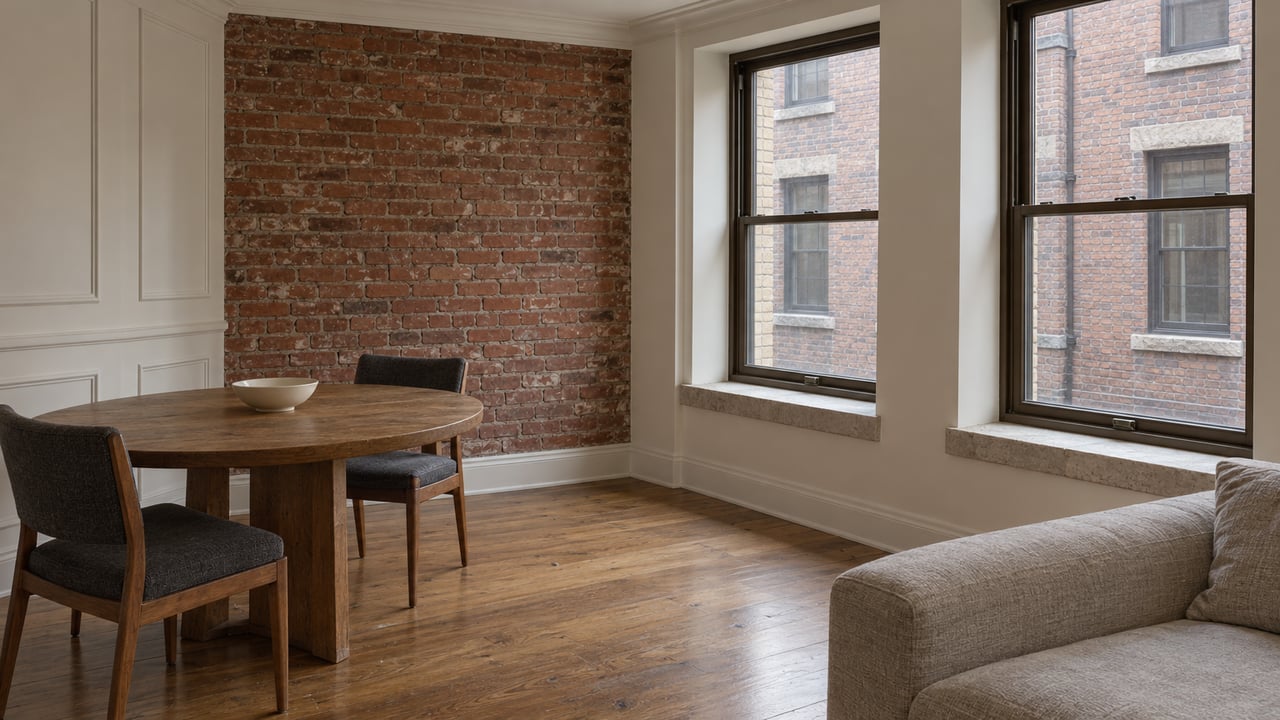
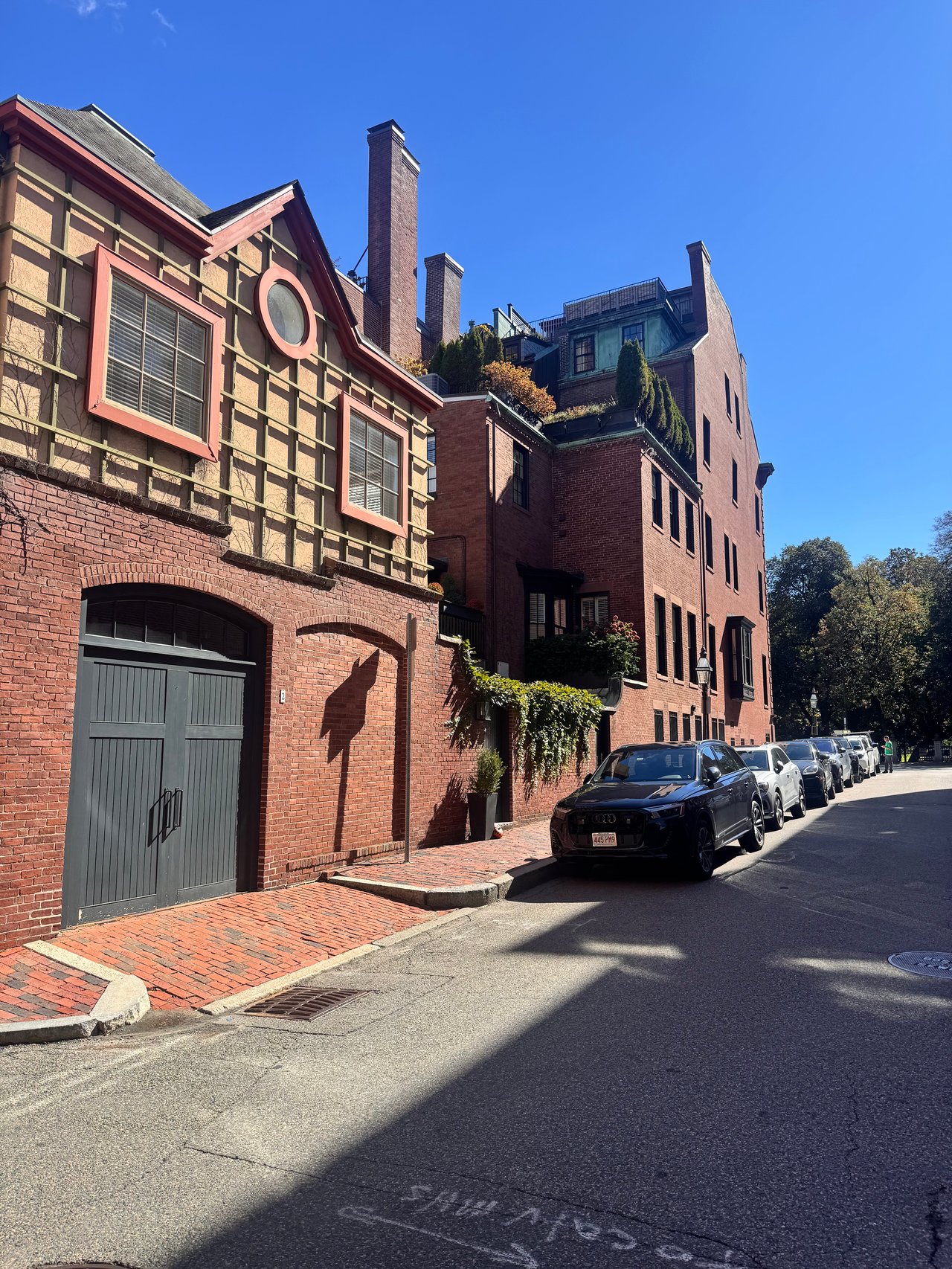
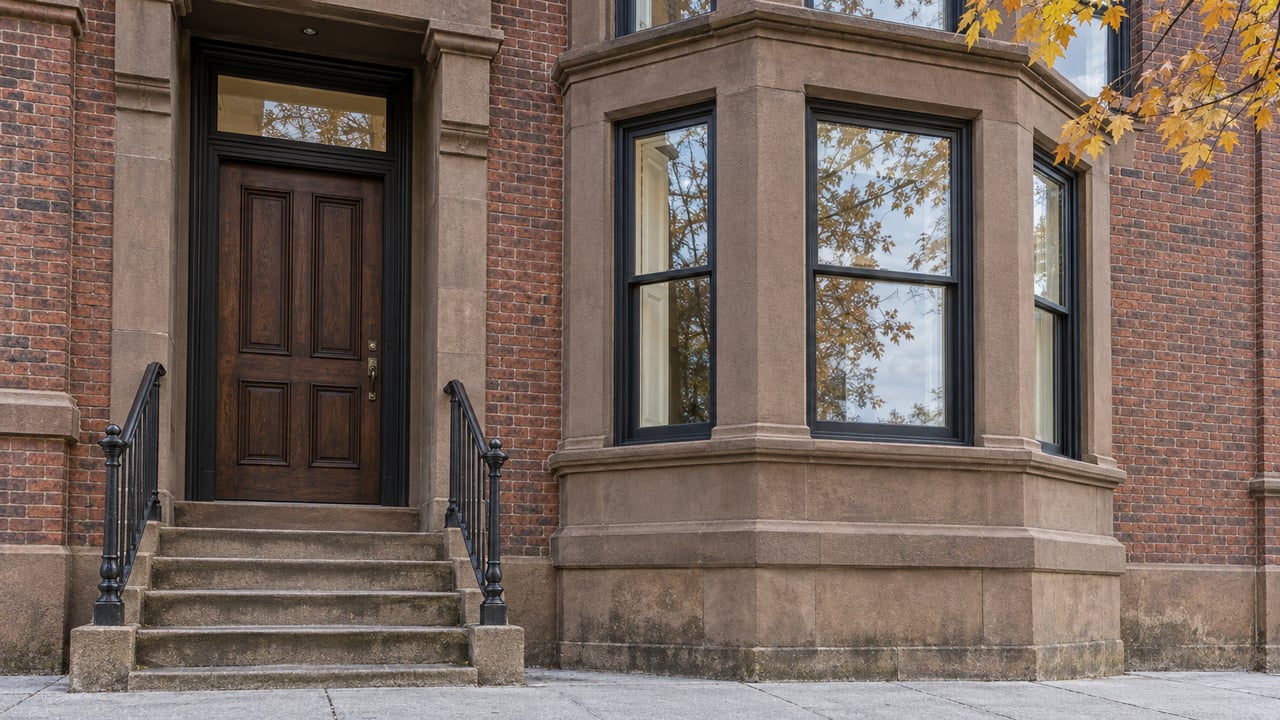
That data lines up with the housing stock you will actually see. South Boston is known for triple-deckers and attached rowhouses, and detached houses are rare. In practical terms, many buyers looking in classic Southie are comparing older condo conversions with more traditional floor plans, while buyers in the waterfront are often looking at newer, more compact condo product.
What waterfront condos often offer
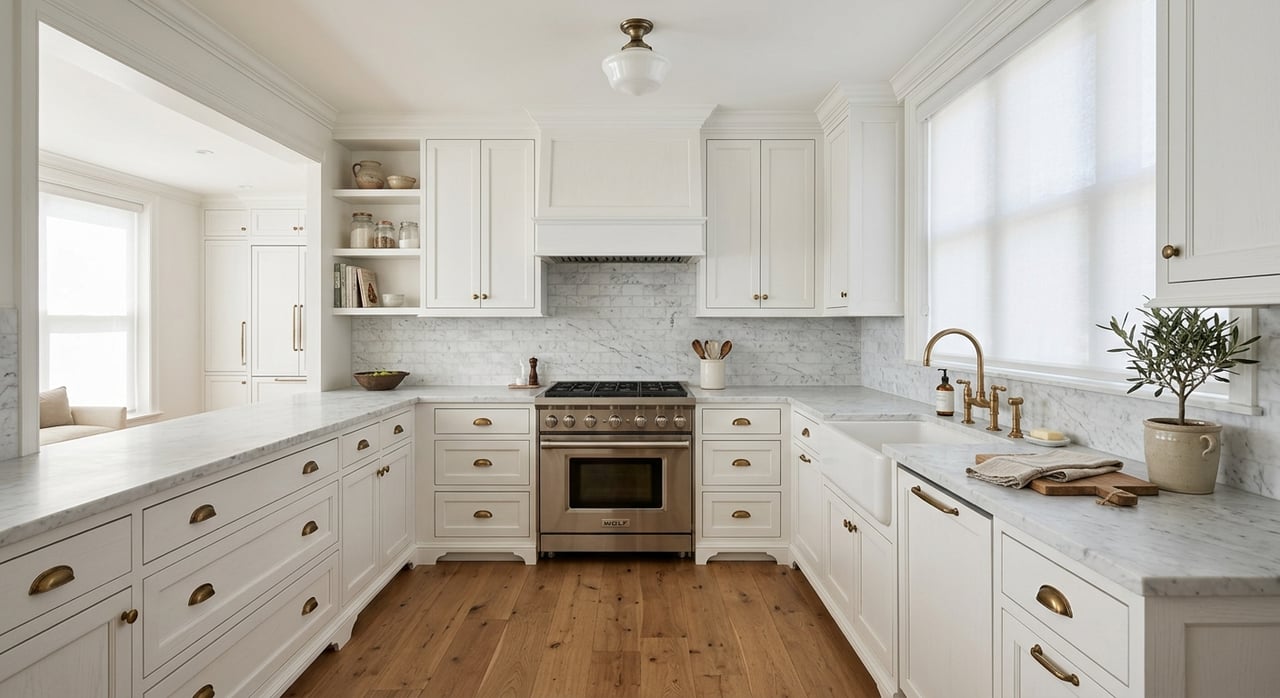
Many newer waterfront buildings are designed around a full-service lifestyle. Depending on the building, features may include:
- Concierge or door-attendant service
- Garage parking
- Roof decks
- Resident lounges
- Fitness or wellness spaces
- Shared amenity areas
That said, the waterfront is not just glass towers. Boston Planning notes that Fort Point also includes artists’ units and market-rate loft living in former warehouses, which gives the area more variety than many buyers expect.
What classic Southie condos often offer
Classic Southie condos usually appeal to buyers who want a more traditional residential feel. Because the neighborhood has more triple-deckers and rowhouse-style buildings, you may find:
- More two- and three-bedroom options
- Older condo conversions with distinct layouts
- Smaller associations
- Fewer shared amenities
- Greater variation from one building to the next
That variation can be a plus if you want character and flexibility, but it also means each property deserves careful review.
Parking and Getting Around
For many buyers, parking is the tiebreaker.
In South Boston proper, Boston’s Resident Parking Program gives residents preferential access to on-street spaces, and many residential streets are marked Resident Parking Only. Permits are neighborhood-specific, so if you are buying in an older building without deeded parking, your experience may depend heavily on street availability.
That makes assigned or deeded parking especially valuable in classic Southie. A beautiful condo can feel very different once you factor in the reality of daily parking.
The waterfront has a stronger built-in mobility package. Boston Planning notes that the South Boston Waterfront has strong access to I-90, the Silver Line, and several MBTA bus routes, with Logan Airport and South Station each one Silver Line stop away in opposite directions.
Massport also identifies public parking at the South Boston Waterfront Transportation Center near the waterfront, the Boston Convention and Exhibition Center, hotels, restaurants, shops, and the Silver Line. If you want easier garage access, quicker regional connections, or a more transit-linked setup, the waterfront often checks those boxes.
Beaches, Harborwalk, and Daily Lifestyle
Your outdoor routine may point you clearly toward one area or the other.
Classic Southie has the beach advantage. Boston Planning says South Boston includes miles of beaches and waterfront parks, including Carson Beach, L Street Beach, Pleasure Bay, and the Strandway. Mass.gov also describes Pleasure Bay, M Street Beach, and Carson Beach as a three-mile stretch of parkland along Dorchester Bay.
If your ideal weekend includes beach walks, running along the shoreline, or easy access to open waterfront parkland, South Boston proper offers a different kind of outdoor experience than the waterfront.
The waterfront, by contrast, is more tied to Harborwalk access and proximity to Downtown. That can be a great fit if you want a polished urban setting with quick connections, newer buildings, and an active mixed-use district.
Dining and Street Feel
The restaurant mix differs in character, even when both locations offer plenty to do.
Boston’s neighborhood business guide points to South Boston dining and nightlife clustered along East Broadway and West Broadway. That gives classic Southie a main-street pattern that many buyers recognize right away.
In the waterfront, food and retail activity is more closely connected to the Innovation District, larger venues, and seasonal pop-up restaurants and shops along the piers. The result can feel more newly planned and destination-oriented, while South Boston proper often feels more tied to long-established neighborhood corridors.
Neither setup is inherently better. It depends on whether you want a more traditional neighborhood rhythm or a newer live-work-play environment.
Long-Term Ownership Questions
Once you narrow down location, it is smart to look beyond finishes and floor plans.
In the waterfront, climate resilience should be part of your due diligence. Boston’s coastal resilience planning identifies South Boston as an area studied for flooding from sea-level rise and storms, and the city describes the South Boston Waterfront as generally low-lying.
The city is implementing projects to reduce flood risk, and resilience guidance includes elevated structures, deployable barriers, filled basements, and wet or dry floodproofing. For you as a buyer, that means it is important to review flood insurance requirements, the placement of building systems, and the building’s resilience plan.
In both areas, condo governance matters. Massachusetts condo law addresses reserve funds and special assessments, and buyers should review the HOA budget, reserve balance, insurance coverage, and any planned assessments before moving forward.
A newer waterfront building may have more amenity systems and shared services to fund. An older Southie conversion may have fewer amenities but more variable repair needs. Either way, the monthly fee alone never tells the full story.
Which South Boston Condo Fits You Best?
If you are looking for newer construction, shared amenities, stronger built-in transit access, Harborwalk proximity, and easier garage parking, South Boston Waterfront may be the cleaner fit.
If you want a more traditional South Boston setting, closer beach access, and a better chance of finding two- or three-bedroom layouts in older condo conversions, classic Southie may suit you better.
Here is a simple side-by-side view:
| Feature | South Boston Waterfront | Classic Southie Condos |
|---|---|---|
| Typical unit mix | More studios and 1-bedrooms | More 2- and 3-bedroom options |
| Building style | Newer mixed-use and amenity buildings | Triple-decker and rowhouse conversions |
| Parking | More garage-oriented options | Street parking often matters more |
| Transit access | Strong Silver Line and I-90 access | More location-specific |
| Outdoor access | Harborwalk and downtown adjacency | Beaches and waterfront parks |
| Ownership review | Resilience and systems review are key | Building condition and reserves are key |
The best choice usually comes down to how you prioritize space, convenience, outdoor access, and the type of building you want to own in for the next several years.
If you want help comparing specific condo options in South Boston or the waterfront, the Steph Crawford Group can help you weigh layout, building financials, parking, and resale potential with a neighborhood-level lens.
FAQs
How do South Boston Waterfront condo sizes compare with classic Southie condos?
- South Boston Waterfront has a much higher share of studios and one-bedrooms, while South Boston overall has more two-bedroom and three-bedroom-plus layouts.
What kind of parking should you expect in classic Southie condos?
- Many older South Boston condo buildings rely on neighborhood street parking, so deeded or assigned parking can add meaningful value.
What transportation options are strongest in South Boston Waterfront?
- The waterfront has strong access to I-90, the Silver Line, several MBTA bus routes, and convenient connections to Logan Airport and South Station.
What outdoor access makes classic Southie appealing to condo buyers?
- South Boston proper includes miles of beaches and waterfront parks, including Carson Beach, L Street Beach, Pleasure Bay, and the Strandway.
What should condo buyers review before buying in South Boston Waterfront or Southie?
- You should review the condo budget, reserve balance, insurance, and any planned assessments, and waterfront buyers should also ask about flood risk and resilience planning.