If your Newton home is going to compete in today’s market, it needs to do more than look nice. Buyers are comparing homes online first, then in person, and they often make quick decisions based on condition, layout, and how easy the home feels to live in. The good news is that smart staging does not have to mean a full redesign. With the right plan, you can highlight your home’s strengths, respect its character, and make it easier for buyers to picture themselves there. Let’s dive in.
Why staging matters in Newton
Newton is a high-value, owner-occupied market. As of June 2025, the city had 33,685 housing units, and 69% were ownership housing. The FY2026 median assessed value for a single-family home was $1,503,500, which means presentation matters in a market where buyers are making significant investments.
Newton assessors identify location, interior condition, house size, kitchen quality, and bath quality as key value drivers. That gives sellers a useful roadmap. Your staging strategy should help buyers quickly see a home that feels well cared for, functional, and easy to compare favorably with other owner-occupied homes in the area.
There is also a strong digital reason to stage. In 2025, the National Association of Realtors reported that one-third of buyers’ agents said buyers were more willing to walk through a staged home they had already seen online. Photos, traditional staging, video tours, and virtual tours all play a major role in whether a buyer wants to take the next step.
Newton homes need a tailored approach
Newton’s housing stock skews older, with more than half of homes built before 1940. That means many sellers are working with period details, older room layouts, and finishes that may not feel brand new. In many cases, the goal is not to erase that character. It is to present it in a cleaner, brighter, and more move-in-ready way.
That balance matters in neighborhoods with historic housing patterns, including areas with large late-19th- and early-20th-century detached homes. Buyers often respond well when original moldings, staircases, and wood floors are allowed to stand out, while furniture, lighting, and accessories make the home feel fresh and easy to understand.
For newer builds, the strategy shifts a bit. Instead of emphasizing period charm, staging should define each space clearly so the home feels intentional rather than empty. Clean lines, natural light, and useful room zones tend to do the heavy lifting.
Focus on what buyers notice first
Staging works best when you prioritize the rooms and features that shape first impressions. According to 2025 staging data from the National Association of Realtors, the most commonly staged rooms were the living room, primary bedroom, and dining room. Broader staging guidance also highlights the kitchen and outdoor spaces as top priorities.
For most Newton sellers, the best order of operations looks like this:
- Exterior and front entry
- Living room
- Kitchen
- Primary bedroom
- Dining room
- Flexible room or bonus room
- Bathrooms and lower-level spaces
- Outdoor living areas
If your budget is limited, this priority list can help you make decisions without trying to do everything at once.
Start with curb appeal
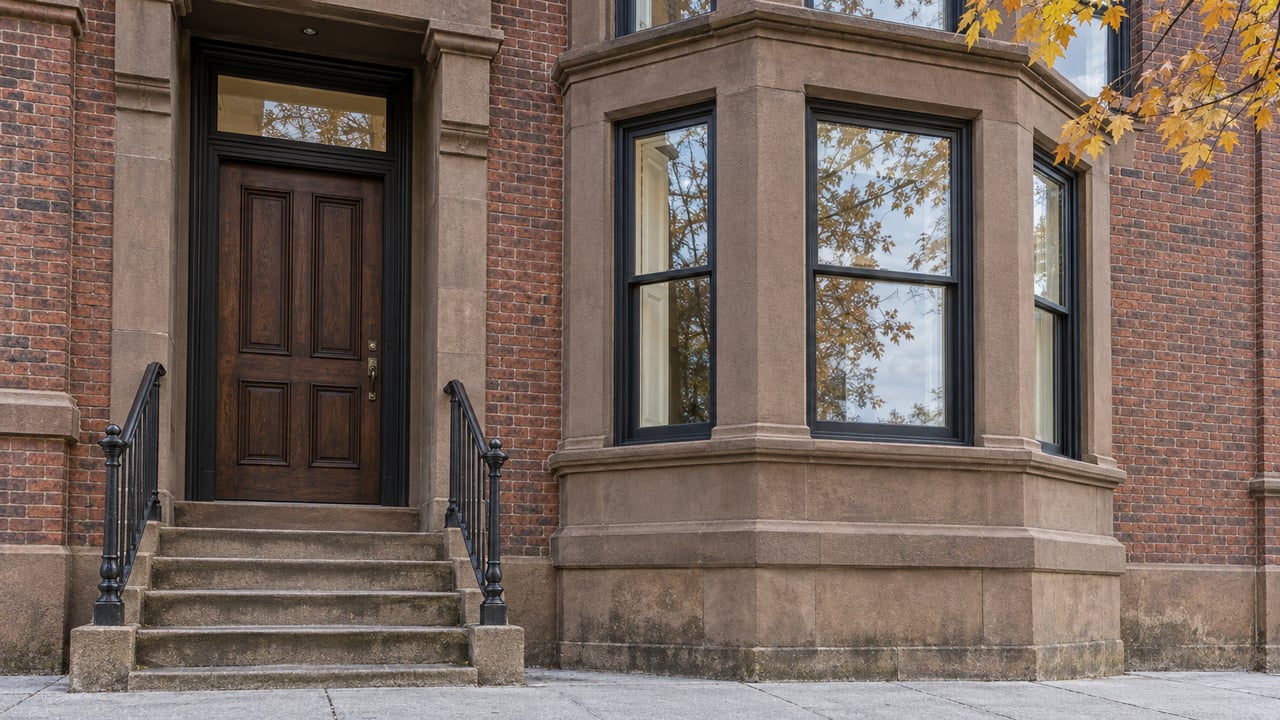
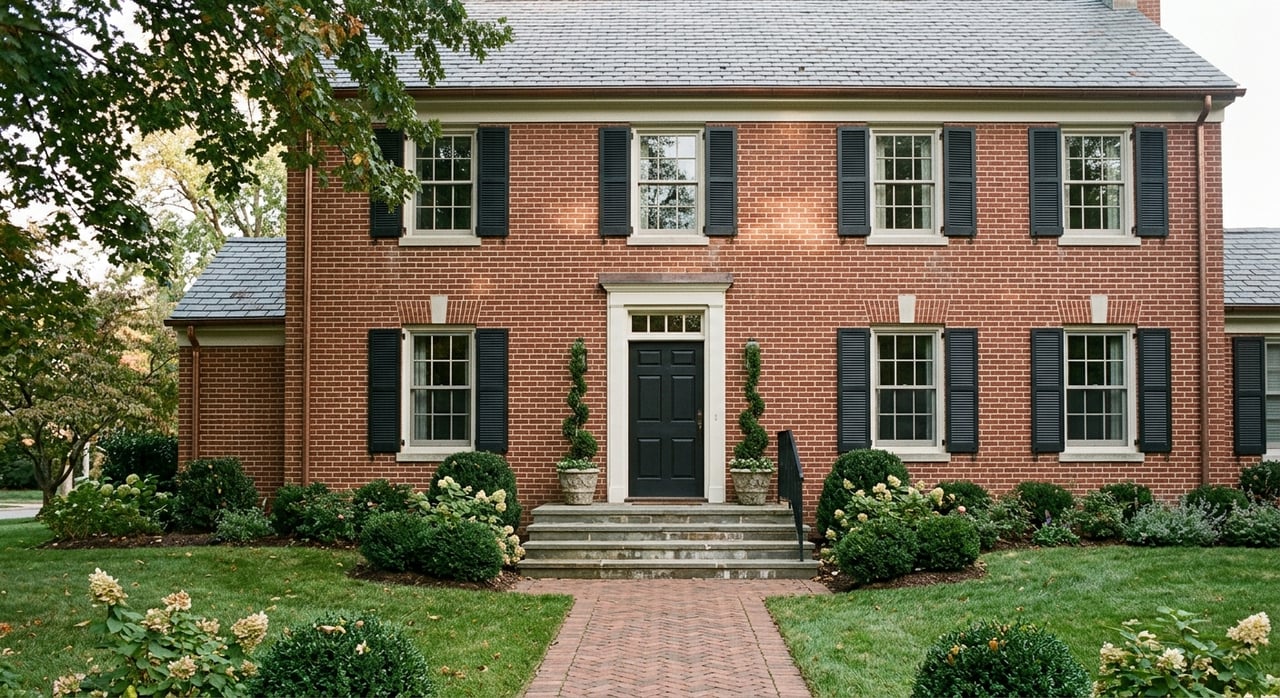
Buyers begin forming an opinion before they ever walk through the front door. Street view matters, especially in Newton where many homes have mature landscaping, visible architectural details, and strong neighborhood context.
A few updates can make a real difference:
- Trim bushes and tidy planting beds
- Add simple seasonal flowers or an evergreen accent
- Clean windows and light fixtures
- Polish or replace house numbers if needed
- Swap out a worn doormat
- Clear hoses, tools, and toys from the yard
- Make sure the front entry feels bright and welcoming
You do not need elaborate landscaping. You just want the exterior to signal that the home is cared for.
Open up the living room
The living room is often the first major interior space buyers evaluate. In a Newton single-family home, it should feel proportional, comfortable, and easy to move through.
Start by removing extra furniture so the room reads as spacious. Keep seating arranged to show conversation flow and architectural features, not to serve day-to-day storage needs. If the room has built-ins, fireplaces, or detailed trim, make sure those elements are visible rather than blocked.
This is especially important in older homes where rooms can feel more segmented. Good staging helps buyers see warmth and function instead of awkward scale.
Give the kitchen a fresh, cared-for look
Kitchen quality is one of the value factors Newton assessors specifically mention. That does not mean you need a full renovation before listing. In many homes, buyers simply need to see a kitchen that feels clean, bright, and maintained.
Focus on visible freshness:
- Clear off most countertop items
- Deep clean appliances, grout, and caulk
- Brighten lighting where possible
- Replace obviously worn cabinet hardware
- Remove signs of heavy daily use
- Keep only a few simple accessories out
If cabinets are older but in solid condition, presentation can still go a long way. A dated kitchen that looks spotless and functional will usually show better than a newer one that feels cluttered or neglected.
Make the primary bedroom feel calm
Buyers tend to react strongly to the primary bedroom because it signals comfort and retreat. In staging data, it remains one of the highest-priority rooms.
Keep the setup simple and restful. Use scaled furniture, neutral bedding, and clear surfaces. If the room is large, define the layout so it does not feel empty. If it is modest in size, remove anything bulky that makes circulation tight.
The goal is not luxury for luxury’s sake. It is to help buyers feel the room is calm, usable, and spacious enough for everyday life.
Reclaim the dining room
In many Newton homes, the dining room can become overflow space for mail, toys, office supplies, or storage. That may be practical while you live there, but it makes it harder for buyers to understand the room’s value.
Bring it back to its intended function. A simple table setting, balanced lighting, and clear floor space can help buyers imagine hosting friends, sharing meals, or using the room flexibly for everyday living. That sense of possibility is more persuasive than a room packed with extra items.
Stage spare rooms for flexibility
Today’s buyers often respond better to adaptable rooms than to highly specific setups. Recent design guidance from the National Association of Realtors points to growing interest in spaces that can work as a den, guest room, media room, or desk nook rather than a permanently dedicated office.
That is especially useful in Newton, where buyers may expect to stay in a home for years. A spare room often shows best as:
- An office with guest room potential
- A reading room with a small desk
- A playroom with simple storage and open floor area
- A guest bedroom with flexible work space
Try to avoid strongly themed rooms that suggest only one possible use. Flexibility helps a wider range of buyers connect with the home.
Do not overlook bathrooms and lower levels
Bath quality is another value factor Newton assessors call out directly. Even if your bathroom is not newly renovated, it should look bright, clean, and cared for.
Before listing, pay attention to the details buyers notice quickly:
- Re-grout or clean stained grout
- Refresh caulk if needed
- Use fresh, neutral towels
- Clear countertops
- Replace burned-out bulbs
- Fix small issues like loose hardware
Basements, attic rooms, and storage areas deserve the same attention. In a larger Newton home, buyers want to understand the full square footage. Bright lighting, organized storage, and a clear sense of purpose can make lower-level spaces feel like an asset instead of a question mark.
Treat outdoor space like living space
Outdoor areas are one of the key staging zones buyers notice. If you have a deck, patio, porch, or yard, show how it lives.
That might mean adding a small seating group, a dining setup, or a clean open area that suggests everyday use. Empty outdoor square footage can feel flat in photos, while a simple, intentional setup helps buyers imagine morning coffee, summer dinners, or casual weekend time at home.
How much staging is enough?
For many Newton sellers, partial staging plus high-impact cosmetic fixes is enough. In 2025, the National Association of Realtors reported that only 21% of sellers’ agents stage every listing, and the median cost of a staging service was about $1,500. That tells you staging is often selective, not all-or-nothing.
If you are deciding where to spend, start with the basics first:
- Declutter
- Deep clean
- Depersonalize
- Handle minor repairs
- Touch up paint where needed
- Improve lighting
- Invest in strong listing photos
Once those are done, focus your staging budget on the rooms that will influence both photos and showings the most.
A practical Newton staging checklist
If you want a simple plan, use this checklist before your home goes live:
Before photos
- Remove excess furniture
- Pack away personal photos and niche decor
- Clear kitchen and bath counters
- Deep clean floors, windows, walls, and fixtures
- Replace burned-out bulbs
- Touch up scuffed paint
Before showings
- Open blinds and shades for natural light
- Put away pet items
- Keep entry areas clear
- Make beds and refresh towels
- Empty trash and recycling
- Do a quick exterior sweep for clutter
If your home is older
- Highlight moldings, wood floors, and stair details
- Keep furnishings light and scaled to the room
- Avoid overfilling smaller or segmented spaces
- Let period character show without visual clutter
If your home is newer
- Define each room’s purpose clearly
- Add warmth so large spaces do not feel empty
- Use simple, clean styling
- Emphasize light and layout
The strongest staging plans are rarely the flashiest. They are the ones that make your home feel cared for, easy to understand, and ready for the next owner.
Selling in Newton often means presenting a home with real substance, whether that is historic character, generous square footage, or a valuable location within a highly competitive market. When you stage with purpose, you help buyers focus on those strengths from the first photo to the final walkthrough.
If you’re getting ready to sell and want a strategy built around your home, your timeline, and your market segment, the Steph Crawford Group can help you create a smart prep plan that supports stronger marketing and a more confident launch.
FAQs
How much staging does a Newton home usually need?
- Most Newton homes do not need a full design overhaul. Partial staging, deep cleaning, decluttering, minor repairs, and strong photography are often enough to make a meaningful impact.
Which rooms matter most when staging a Newton home?
- The top priorities are usually the living room, primary bedroom, kitchen, dining room, and outdoor spaces because those areas tend to shape buyer impressions most quickly.
Should you renovate an older Newton kitchen before listing?
- Not necessarily. Since kitchen quality matters in Newton, the first step is usually to make the space look clean, bright, and well maintained rather than assume a full remodel is required.
What should a spare bedroom become in a Newton listing?
- A flexible setup usually works best, such as a guest room with a desk, a den, or a playroom with storage. Buyers often respond better to adaptable spaces than to highly specific room themes.
How should you stage an older Newton colonial or period home?
- Focus on preserving the home’s architecture while reducing visual clutter. Let moldings, wood floors, staircases, and natural light stand out, and use scaled furniture and a light, neutral palette.
Does staging really help attract buyers online for a Newton listing?
- Yes. Current industry research shows staged homes can make buyers more willing to visit after seeing the property online, which is important because photos and digital presentation often drive showing activity first.