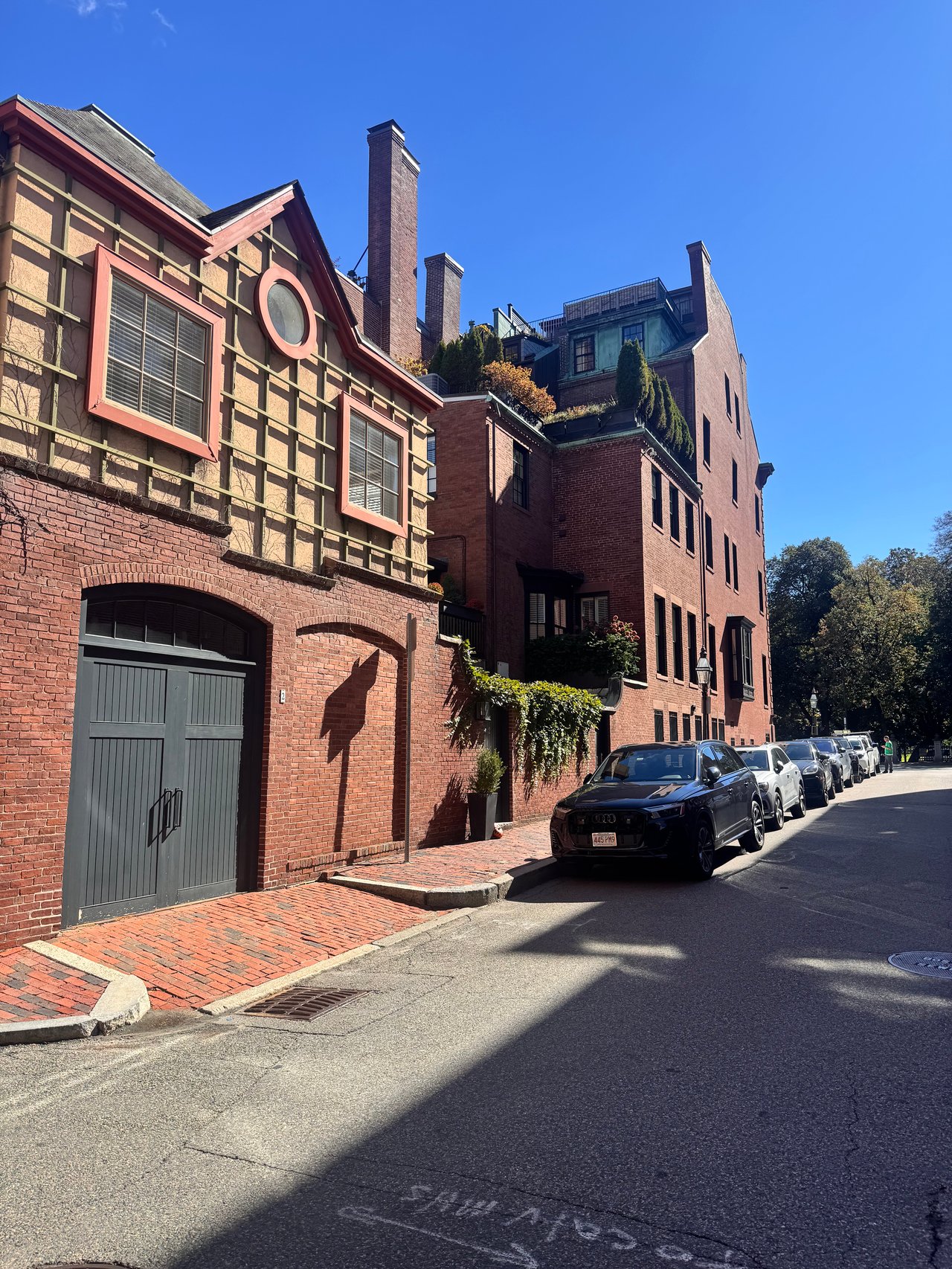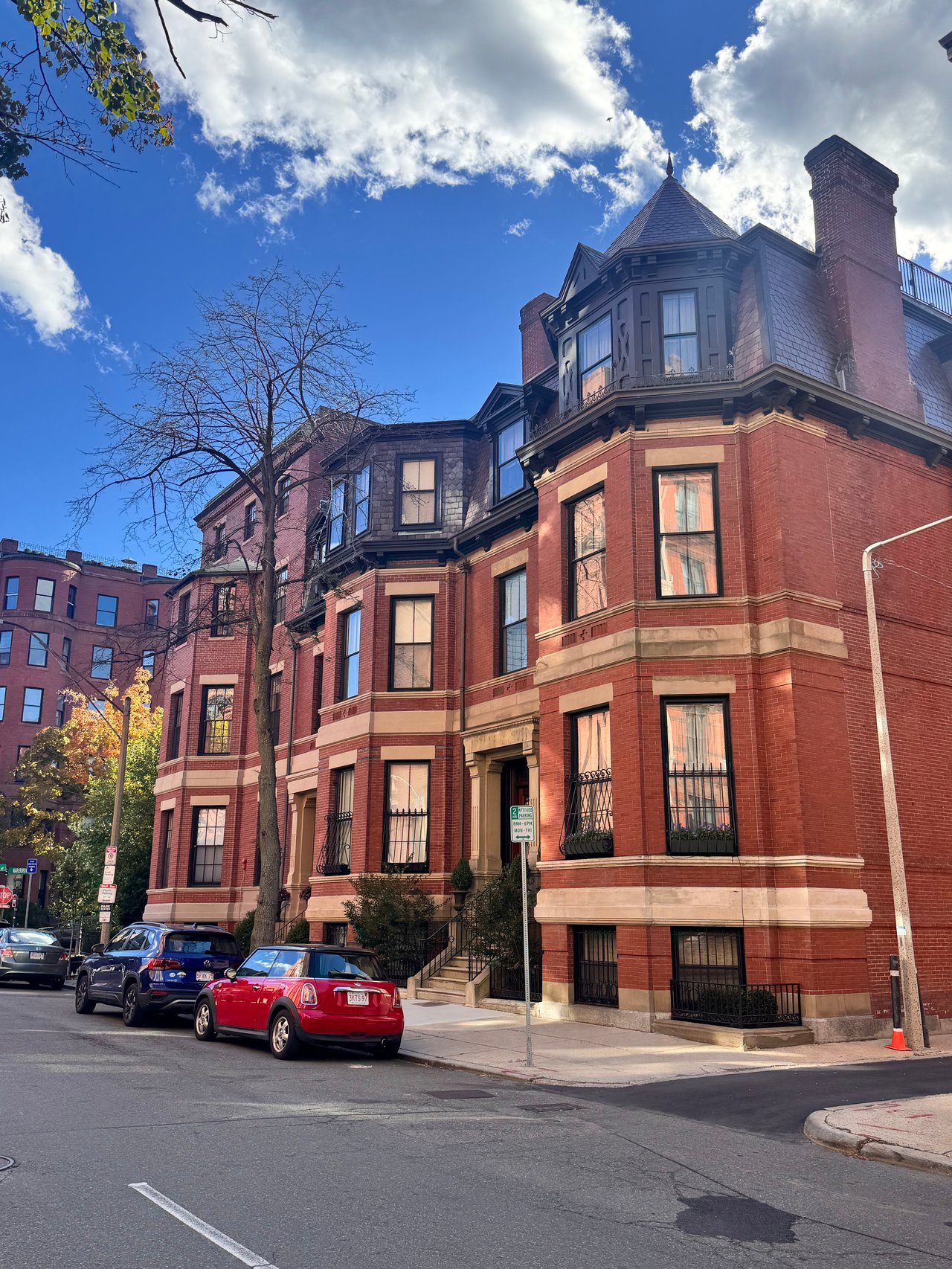
In Boston real estate, spring gets all the attention. Open house season, bidding wars, the sense that everyone has emerged from winter hibernation and decided to move at the exact same time. It is real — spring is active. But ask any experienced agent, and they will tell you that October and November carry a different kind of energy, and often a more favorable one for buyers and sellers who are prepared.
Here is what the fall market actually looks like, and why timing your move to the fourth quarter can work to your advantage.
Buyers Are Serious — and They Have Done Their Homework
By October, most active buyers have been searching since late summer. They have toured properties, adjusted their expectations, and gotten their financing in order. This is a meaningfully different buyer than the one who impulses into the market in March.
For anyone buying a home in Boston, that translates into a less chaotic process. There are fewer competing offers on many properties, and sellers who have been on the market through the summer are often more willing to negotiate than they would have been in April.
Sellers: Fall Inventory Works in Your Favor
Here is something that surprises many sellers: listing in October means you are not competing with the wave of new inventory that hits in spring. The pool of buyers is smaller — but more of them are serious, and many are working toward a year-end close for practical reasons: tax timing, lease transitions, relocation deadlines.
If you have been considering listing your property, the calculus of fall is different from spring, and often worth a closer look. A well-prepared home in the right price range can generate strong interest with far less competition from other sellers.
How the Market Shifts as the Holidays Approach
One thing to understand about Boston real estate in the fourth quarter: inventory gets thinner as we move into November and December. Some sellers pull back and plan to re-list in spring. For buyers, this can mean fewer choices — but also less competition. For sellers, it often means a more focused, motivated buyer pool.
The neighborhoods that tend to stay active deepest into fall are those with strong year-round demand — Back Bay, the South End, and Seaport among them. These are not neighborhoods where the market goes quiet in October; if anything, the focus sharpens.
A Few Questions Worth Asking Before Year-End
If you have been circling a decision to buy or sell, here are the questions worth asking before you table it until spring: Is your financing pre-approval current? Lenders update their requirements, and a pre-approval from June may need refreshing before you write an offer. Do you have a clear picture of value in the neighborhoods you are considering? Boston's market varies significantly — even block to block — and understanding what drives price in your specific area is foundational.
We Are Here When You Are Ready to Talk
No one should feel rushed into a real estate decision, and a conversation does not require a commitment. If you have been thinking about a move and are not sure whether now is the right time, explore what is happening across Boston's neighborhoods — or reach out directly. Clarity on the current market often makes the decision easier, one way or the other.