You want a home that fits your Boston life without adding stress to your calendar. If you’re eyeing Bay Village, you’re looking at the city’s smallest, most central historic neighborhood with instant access to dining, theaters, transit and the offices you frequent. The trade-offs are real and manageable when you know what to expect. In this guide, you’ll learn the building styles you’ll see, how fees and parking work, what lenders look for, and the exact due diligence that helps you buy with confidence. Let’s dive in.
Why Bay Village works for busy professionals
Bay Village sits between Back Bay, the South End and the Theater District, so you step out your door into restaurants, parks and trains within minutes. The Boston Planning & Development Agency highlights its central location and historic character, which is a big win if you value walkability and quick commutes (BPDA neighborhood snapshot).
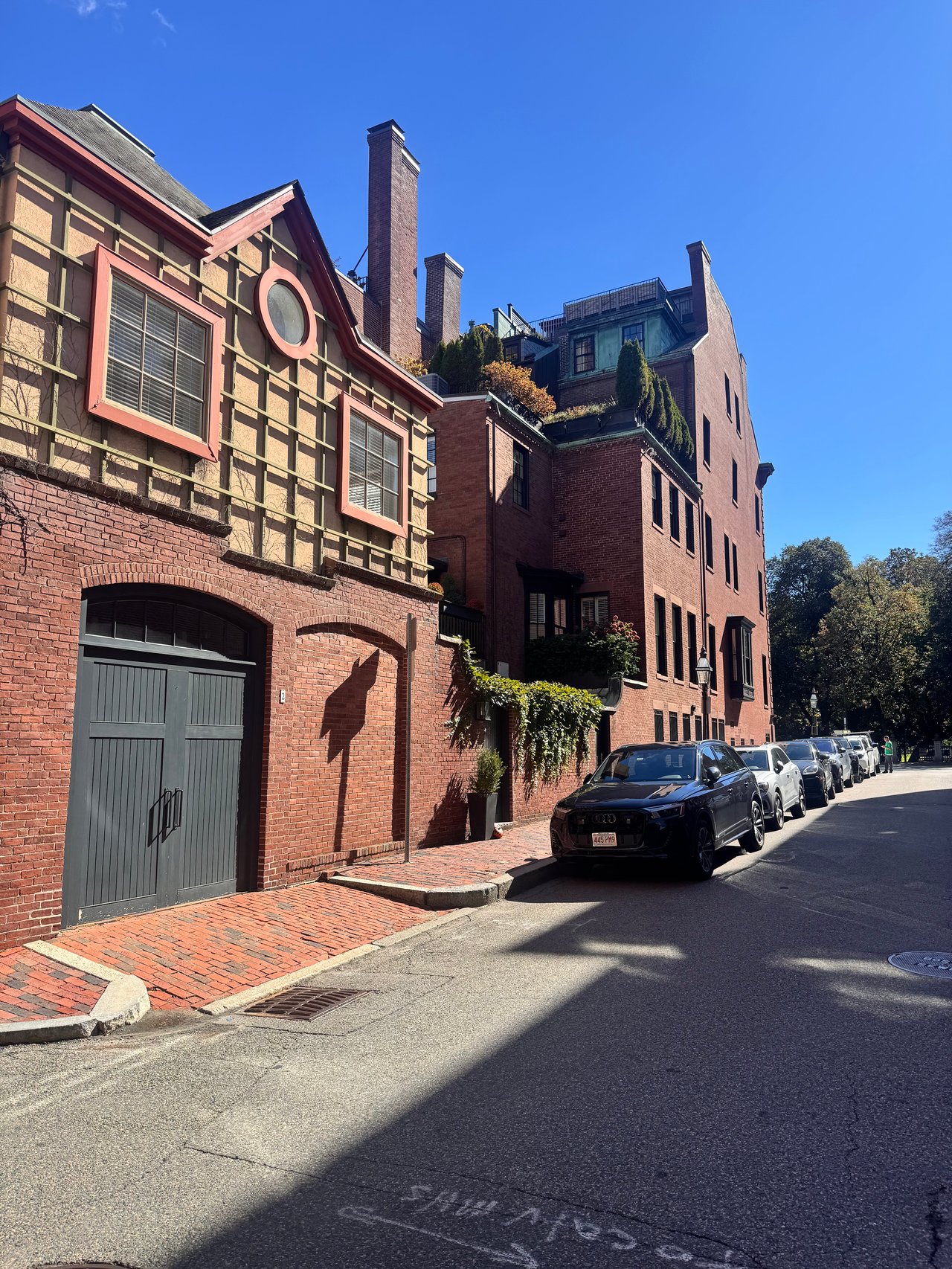
It is also a designated historic district. The City’s Landmarks Commission reviews exterior changes visible from public streets, which protects the neighborhood’s look and feel and sets expectations if you plan future updates (Bay Village Historic District overview). For a block-by-block view, use the official district map when evaluating a specific address (district map PDF).
What condos look like here
Building types you’ll see
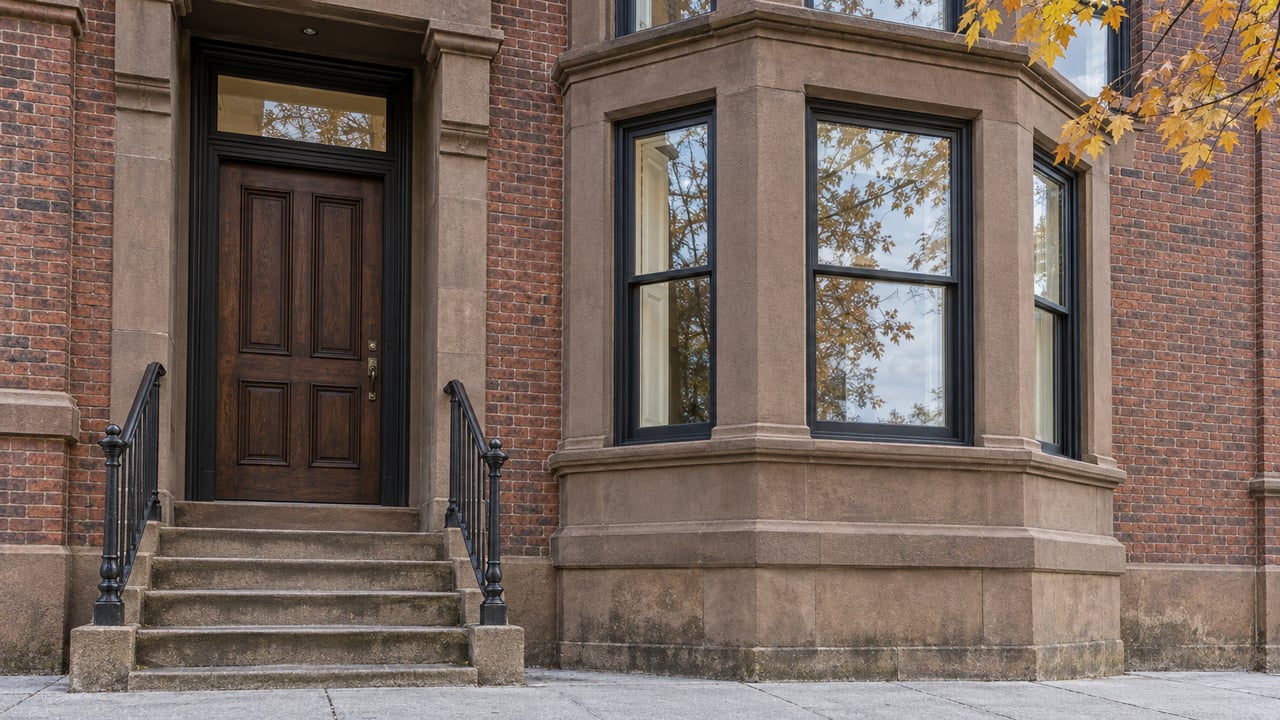
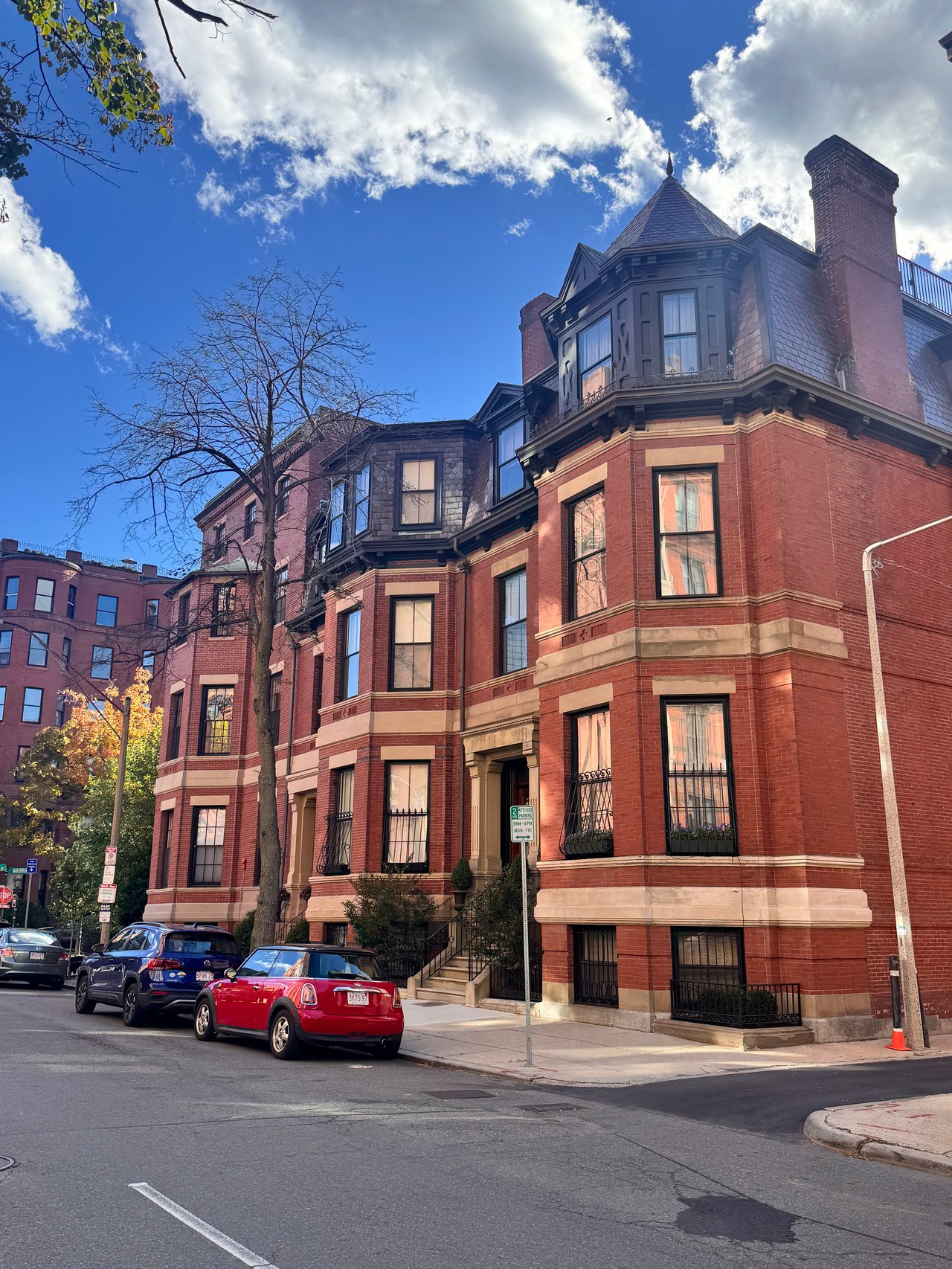
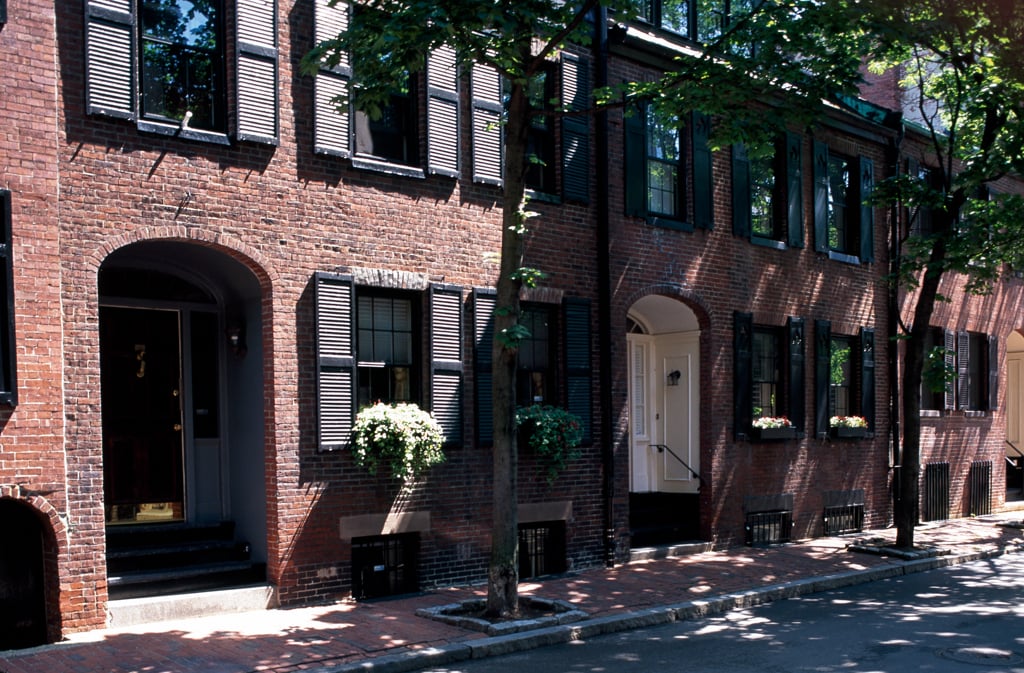
- Historic rowhouses and brownstone-style buildings converted into small condo associations. Many date to Federal, Greek Revival or Victorian eras and retain period details.
- Boutique conversions of former commercial or studio spaces, reflecting Bay Village’s early film-production history.
- A few newer mid-rise or high-rise developments on neighborhood edges. Larger projects near Stuart Street can influence views, sunlight and parking options over time.
Because the area is compact and historic, most buildings are low-rise with smaller footprints. That affects elevator access, storage and on-site parking.
Common unit features and finishes
- High ceilings, hardwood floors and exposed brick are frequent selling points in listings.
- Studios and 1 to 2 bedroom floor plans are most common due to smaller floor plates.
- Amenities vary by building. You may see common roof decks and common laundry. Some buildings offer in-unit laundry, but it is not universal, so verify per listing.
- Elevators are not guaranteed. Many historic conversions are walk-ups. If stairs are a concern, confirm vertical access early.
- Utilities can be bundled. In older Boston buildings it is common for condo fees to include heat and hot water. Always check the fee breakdown for each association.
Parking, storage and getting around
Bay Village’s streets are tight and spaces are limited. If you own a car, plan ahead and budget realistically.
- Resident permits. Much of the on-street inventory is controlled by Boston’s Resident Parking Permit program. Visitor spaces are scarce and time limited. Review the City’s rules and eligibility before you rely on street parking (Resident Parking Permits).
- Deeded vs rented parking. Deeded garage spots exist but are uncommon. Many listings mention rented or nearby garage options. Always confirm if parking is deeded, assigned, or a separate rental agreement.
- Nearby garages. Local garages sometimes offer special arrangements during snow emergencies or through partnerships. For example, the 200 Stuart Street garage has historically worked with neighborhood developments. Always confirm current resident rates and any restrictions with the garage or your agent before you count on it (City snow emergency and garage guidance).
- Storage. Expect more compact storage than in newer suburban buildings. Ask about private storage lockers, bike rooms and basement space.
HOA fees and what they cover
Monthly condo fees vary by building size, services and whether utilities are included. In Bay Village, many associations include line items like heat, hot water, water and sewer, building insurance, snow removal and common-area maintenance. Recent listings in the neighborhood show a wide range of fees, often from the low $200s to the $700s per month depending on amenities and whether utilities are included. Always verify the inclusions for the specific unit you are considering.
What lenders look for in condo buildings
Your mortgage approval depends on both you and the project. Many conventional lenders assess the building’s owner-occupancy ratio, reserve funding, delinquency levels and commercial exposure to determine if a project is warrantable under agency guidelines. If a project does not meet standard criteria, you may need a larger down payment or a specialized loan. Ask your lender to review the project early so your deal does not stall later (Fannie Mae Full Review guidance).
Massachusetts condo basics you’ll encounter
Massachusetts condominiums are governed by M.G.L. c. 183A, plus the project’s master deed and bylaws. As a buyer, you should request the master deed, amendments, bylaws, rules and any ground-lease documents as part of your offer due diligence (MA condo law overview).
You will likely see a “6D” certificate before closing. This standard association certificate confirms the unit’s account status and key facts lenders and title companies require. Plan for ordering it after you sign the purchase and sale agreement and confirm who pays the fee and typical turnaround times in Boston (What a 6D certificate covers).
Red flags to watch
- Low or no reserves, or recent special assessments without a clear plan for future capital needs.
- High delinquency rates among owners or a very low owner-occupancy ratio.
- Ongoing association or developer litigation that could affect financing or future costs.
- Unclear parking language such as “may be available.” Require deed or contract documentation before you rely on it.
These items can limit mortgage options and affect resale. Lenders will ask for the HOA budget, reserve policy and delinquency data during underwriting (Fannie Mae Full Review guidance).
Pricing snapshot and what drives value
Market snapshots from major providers have recently shown Bay Village and the adjacent Chinatown–Bay Village area with median condo prices in the low to mid 1 million dollar range, with some sources reporting higher medians for Bay Village alone. Providers like Redfin, Rocket Homes and Realtor.com publish these figures and they change frequently. Use them as a directional range, then confirm current numbers with live data when you are ready to write an offer.
In Bay Village, value is most influenced by location on the block, floor level and light, outdoor space, parking certainty, interior condition, and the financial strength of the association. Larger projects near the neighborhood edge can impact views and sunlight over time, so ask your agent to review any planned or recent developments nearby and how they could affect a specific unit.
A focused due diligence checklist
Save this list for showings and offer prep.
- Confirm financing early
- Get pre-approved and ask your lender how they review small Boston associations for warrantability under agency guidelines (Fannie Mae Full Review guidance).
- Request the key HOA and legal documents
- Master deed, amendments, bylaws, rules and any ground-lease documents (MA condo law overview).
- Current operating budget, recent financials and the most recent reserve study or policy.
- Board meeting minutes for the past 12 months and any notices of special assessments.
- Delinquency report and a list of units owned by any single entity.
- Association insurance certificate with hazard and fidelity coverage details.
- 6D certificate timing, fee and who orders it locally (What a 6D certificate covers).
- Verify parking and storage in writing
- Is parking deeded, assigned, licensed or off-site by separate contract? If a garage partnership is referenced, ask for the agreement and current resident rates (City snow emergency and garage guidance).
- Inspect for building-specific risks
- In addition to a standard home inspection, ask about roof age, water infiltration history, masonry re-pointing cycles, heating systems, and any elevator maintenance or modernization schedules.
- Check historic-district limits before planning exterior changes
- Use the City’s district page and map to understand what requires Landmarks review (Bay Village Historic District overview; district map PDF).
How we help you buy with confidence
Buying in a compact historic district takes precision. You need an agent who knows how to read HOA documents, confirm warrantability with lenders, and verify parking language before you commit. You also want local context at the building and block level so you can move quickly without second-guessing.
If Bay Village is on your list, we can help you clarify trade-offs, line up the right financing, and negotiate with confidence. Ready to start? Connect with the Steph Crawford Group to plan your search and see on-market and private opportunities that fit your goals.
FAQs
What should a Boston professional know before buying a Bay Village condo?
- Expect top-notch walkability and transit access, smaller building footprints, variable elevator access, and limited parking that often relies on resident permits or nearby garages.
How does Bay Village’s historic status affect renovations?
- Exterior changes visible from public streets may require Landmarks Commission review, so check the City’s district page and map before planning any work.
Do Bay Village condo fees include heat and hot water?
- Many older buildings include heat and hot water in the monthly fee, but it varies by association, so review each unit’s fee breakdown and budget.
What is a Massachusetts 6D certificate and when is it needed?
- It is an association certificate confirming a unit’s account status and insurance details that lenders and title companies require, typically ordered after the purchase and sale agreement.
How can I tell if a Bay Village condo is warrantable for my loan?
- Ask your lender to review the project early for owner-occupancy, reserves, delinquencies and commercial space levels using agency guidelines; your agent can help gather documents.
Is on-street parking realistic for Bay Village condo owners?
- Many owners use the City’s Resident Parking Permit program, but spaces are limited; combine a permit with a leased garage option if you need more predictable parking.