Spring can feel like it sneaks up on you, especially if you are trying to get a Back Bay condo on the market at just the right moment. If you want to attract serious buyers in one of Boston’s most polished and competitive condo markets, your prep work needs to happen before the busiest spring listing window opens. This guide will help you focus on the updates that matter most, avoid common distractions, and get your condo market-ready with a clear plan. Let’s dive in.
Why spring matters in Back Bay
Spring is typically the busiest season for real estate activity, and timing can make a difference in how much attention your listing gets. Realtor.com’s 2025 research identified April 13 to 19 as the best week to list nationally, while Zillow’s 2025 analysis found that May was the strongest month overall for sellers.
For you as a Back Bay condo owner, the takeaway is simple: be ready early. Spring prep is not about starting a long renovation. It is about completing decluttering, touch-ups, staging, and photography in time to launch when buyer demand is strongest.
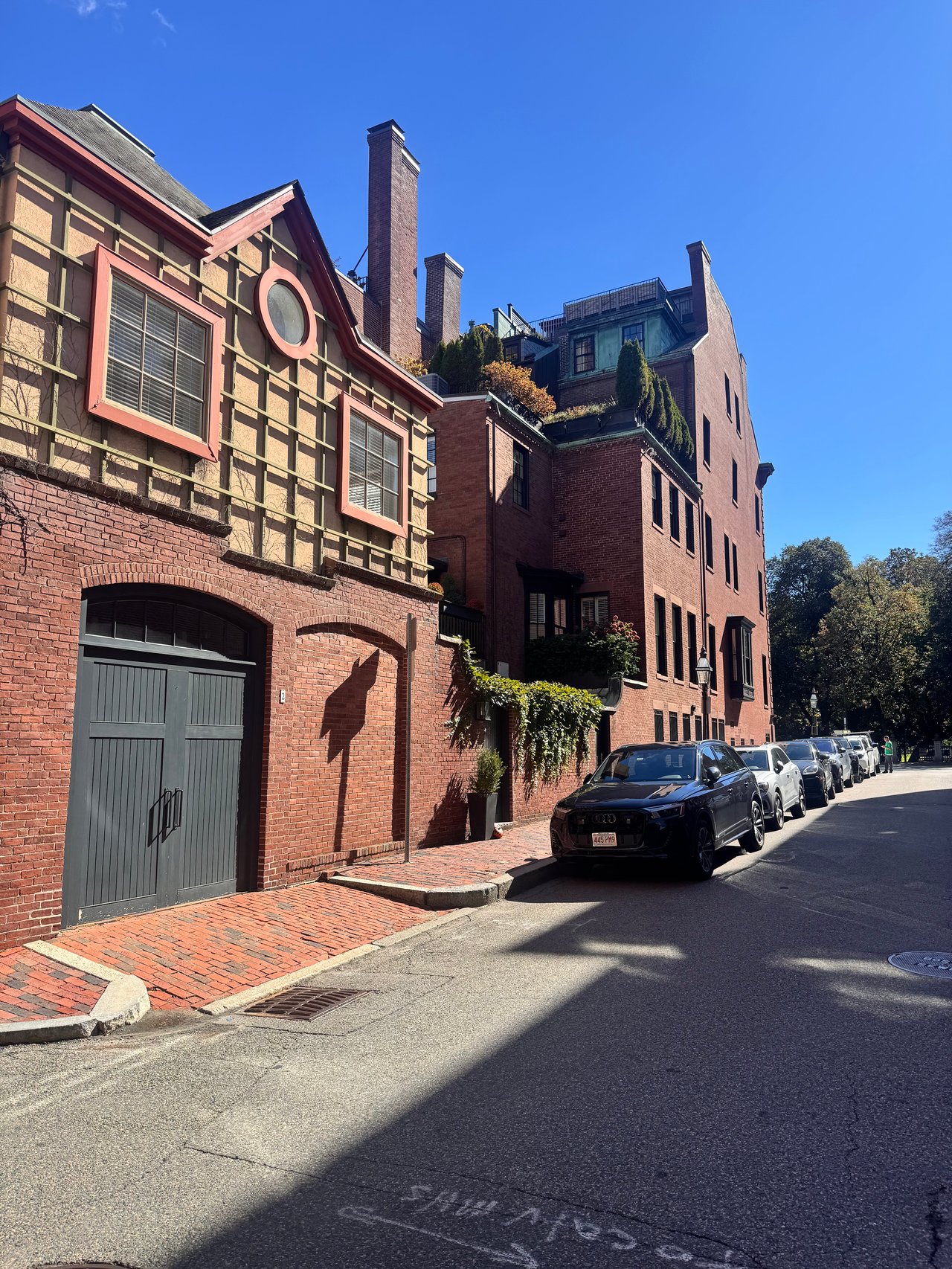
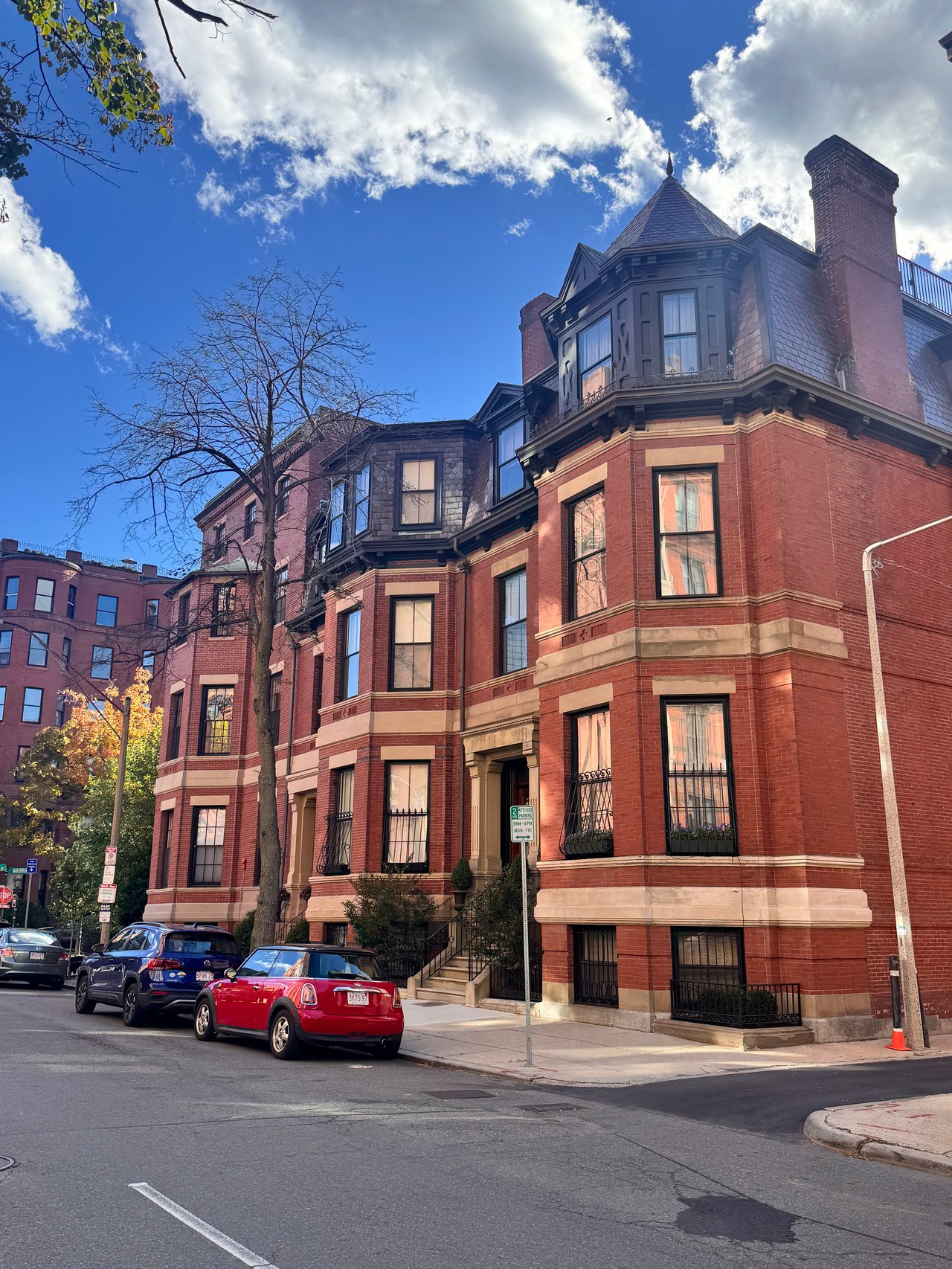
Back Bay adds another layer to that timing. The neighborhood is known for elegant historic architecture, premium housing, and a walkable urban setting near major commercial streets and landmarks like Newbury Street, Boylston Street, Trinity Church, and the Boston Public Library, according to the City of Boston’s Back Bay Architectural District page. Buyers here are often paying for location, convenience, and presentation, so your condo needs to look sharp from day one.
Start with decluttering
If you do only one thing first, make it decluttering. According to the National Association of Realtors 2025 staging report, 83% of buyers’ agents said staging makes it easier for buyers to picture a property as their future home.
That matters even more because buyers usually see your condo online before they ever step inside. NAR reports that 96% of buyers used the internet in their home search, and photos were especially useful for many buyers, including Older Millennials, who made up a large share of active purchasers in the 2025 generational trends report.
In a compact Back Bay condo, clutter stands out fast. Too much furniture, overfilled shelves, personal photos, countertop appliances, and crowded entry areas can make the home feel smaller in photos and in person.
What to declutter first
Focus on the areas buyers notice immediately:
- Entryway surfaces and coat storage
- Kitchen counters and open shelving
- Living room side tables, media areas, and bookcases
- Bathroom counters and shower ledges
- Bedroom dressers and under-bed overflow
- Closets that look packed or disorganized
Your goal is not to make the condo feel empty. Your goal is to make it feel calm, functional, and easy to imagine living in.
Prioritize cosmetic updates
Before listing, it is usually smarter to invest in visible, low-friction improvements than to dive into major remodeling. The staging data supports presentation improvements that help buyers connect with the space, and that is especially important in a market like Back Bay where buyers are often comparing polished listings.
Simple updates can go a long way if your layout is strong and the condo already lives well.
Best pre-listing touch-ups
Consider tackling these high-visibility items:
- Fresh paint in light, neutral tones
- Scuff and wall patch repair
- Cleaned or refreshed grout and caulk
- Polished or replaced cabinet hardware if needed
- Deep cleaning for floors, trim, and windows
- Updated light bulbs for a bright, even look
These are the kinds of details that help a condo read as well maintained and move-in ready. In a neighborhood where presentation carries weight, small imperfections can distract buyers more than you might expect.
Stage the rooms that matter most
You do not need to stage every inch of your condo the same way. The NAR staging report found that the living room, primary bedroom, and kitchen were the most commonly staged rooms.
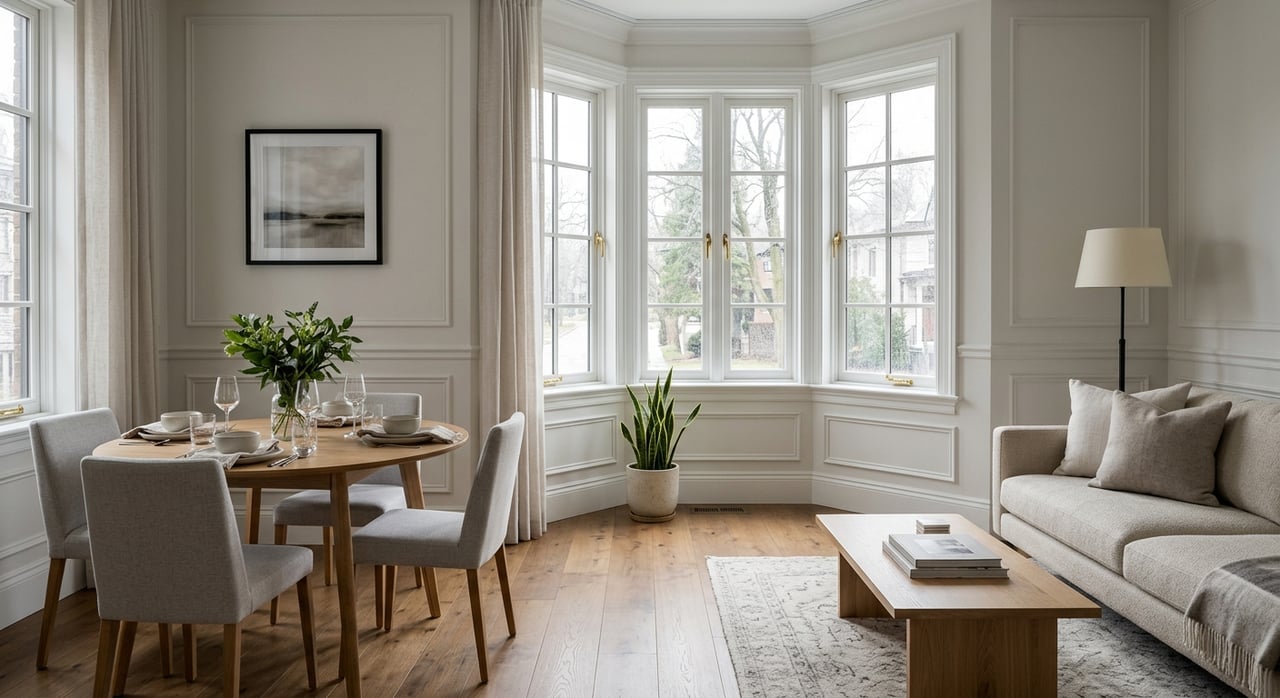
Those spaces tend to shape a buyer’s overall impression of how the home functions. In Back Bay, where condo layouts can vary widely and square footage is often used carefully, those rooms should feel balanced, open, and intentional.
Living room staging tips
The living room should show how the main gathering space works without feeling crowded.
- Use scaled furniture that fits the room
- Keep pathways open and obvious
- Limit accent pieces that block windows or views
- Add simple, neutral decor that softens the space without distracting from it
Primary bedroom staging tips
Your bedroom should feel restful and spacious.
- Use bedding that looks crisp and light
- Remove extra chairs, storage bins, or oversized dressers if they tighten the room
- Clear nightstands except for one or two simple items
- Make sure closet storage looks manageable, not overflowing
Kitchen staging tips
The kitchen should feel clean, bright, and efficient.
- Clear most countertop items
- Store away drying racks and cleaning supplies
- Add one restrained visual element, like a bowl of fruit or fresh flowers
- Make stainless or polished surfaces shine
Make your condo look strong online
Since the home search usually starts online, your listing photos need to work hard. If your condo feels bright, edited, and thoughtfully arranged in photos, you are more likely to win showing requests.
This is especially important in Back Bay, where buyers may compare your home with other well-presented condos that offer similar convenience and neighborhood access. Boston Planning’s neighborhood profile notes the area’s strong appeal to younger adults and highly educated residents, which reinforces the importance of a clean, polished digital first impression.
Photo-ready checklist
Before photography, make sure you:
- Open all shades and curtains
- Clean interior windows thoroughly
- Replace dim or mismatched light bulbs
- Hide cords and chargers
- Remove pet items, trash cans, and bath products
- Straighten art, pillows, and rugs
These details may seem small, but buyers often make a fast yes-or-no decision based on images alone.
Plan for Back Bay logistics
Back Bay is not a typical suburban selling environment. The neighborhood is dense, highly walkable, transit-oriented, and parking can be expensive and limited, according to Boston’s Back Bay and Beacon Hill roadway profile.
That means your spring prep should include more than the condo itself. You also want to think through showing access, move-out timing, and any building-related coordination that could affect your listing schedule.
Logistics to handle early
A few practical items can save stress later:
- Confirm any building rules around move-ins, move-outs, and showing windows
- Plan vendor timing carefully if service access is limited
- Think ahead about where cleaners, stagers, or photographers can park
- Remove any extra items from hall-adjacent storage or entry areas if allowed and applicable
In a location where convenience is part of the value, a smooth showing experience helps support a strong overall impression.
Know the historic district rules
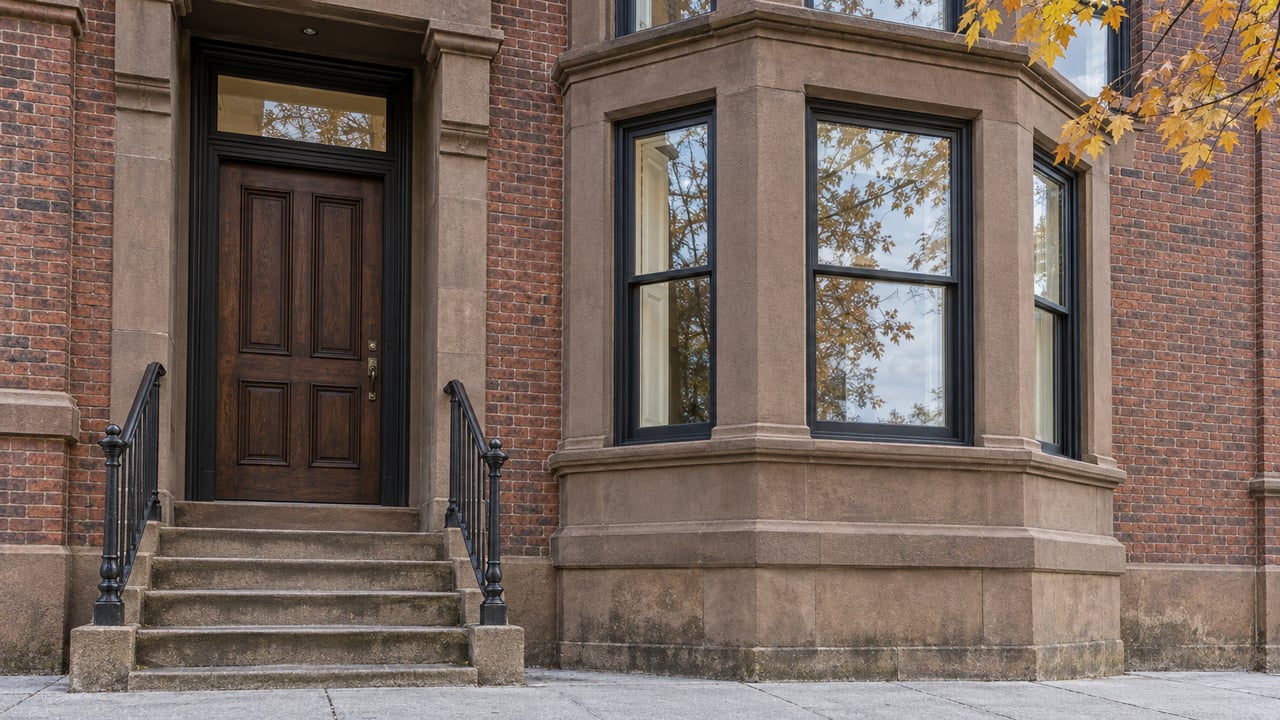
If you are considering any work that affects the exterior appearance of the property, or anything visible from the outside, check the local rules before starting. Back Bay is a protected historic district, and the City of Boston states that the area is subject to residential standards, design review, and an online approval process.
The city also notes that approved work may require a decision letter and an approval placard. If your planned update is exterior-visible, build extra time into your spring timeline so your listing prep does not hit an avoidable delay.
Build a simple spring countdown
The best pre-listing plans are focused and realistic. Rather than trying to overhaul everything, create a short countdown that gets your condo ready for photos and showings on time.
Four to six weeks before listing
- Declutter closets, cabinets, and main living spaces
- Book cleaners, touch-up painters, and staging support if needed
- Identify any small repairs that affect presentation
- Confirm whether any visible exterior work needs approval
Two to three weeks before listing
- Finish paint, hardware, grout, and caulk refreshes
- Deep clean the condo
- Finalize furniture layout and styling
- Replace bulbs and test all lighting
One week before listing
- Remove remaining personal items
- Prep for photos
- Make a plan for showing-day storage and daily resets
- Review final launch timing with your agent
Focus on what Back Bay buyers value
Back Bay buyers are not only evaluating square footage. They are also comparing how a condo feels within one of Boston’s most recognizable and convenient neighborhoods. The neighborhood’s walkability, proximity to downtown jobs, transit access, and strong commercial streets are a major part of its appeal, as noted by Boston Planning and the City of Boston.
That is why presentation matters so much here. A bright, edited, well-staged condo helps buyers connect the home itself with the lifestyle they want in Back Bay.
If you are thinking about selling this spring, a clear prep strategy can help you avoid wasted effort and focus on the updates most likely to support a strong launch. The Steph Crawford Group uses a structured seller process to help you strategize, prepare, market, and negotiate with more confidence in Boston’s competitive condo market.
FAQs
What should I declutter first in a Back Bay condo before spring listing?
- Start with entry areas, kitchen counters, living room surfaces, bathroom counters, bedrooms, and overstuffed closets so the condo feels more open in photos and in person.
Which rooms matter most when staging a Back Bay condo?
- The living room, primary bedroom, and kitchen matter most because those are the rooms most commonly staged, according to NAR’s 2025 staging report.
How much cosmetic work should I do before listing a condo in Back Bay?
- Focus on visible updates like paint, wall repair, grout and caulk cleaning, hardware refreshes, lighting, and deep cleaning rather than large renovation projects.
When should I be ready to list my Back Bay condo in spring?
- Aim to complete prep before the strongest spring listing window opens, since 2025 research from Realtor.com and Zillow points to mid-April through May as a strong period for sellers.
Do historic district rules affect visible condo updates in Back Bay?
- Yes. If your planned work affects the exterior appearance or is visible from outside, review the Back Bay Architectural District standards and approval process with the City of Boston before starting.
How can I make a compact Back Bay condo feel brighter and more functional?
- Use scaled furniture, keep traffic paths open, clear visual clutter, open shades, clean windows, and use bright, consistent lighting before photography and showings.