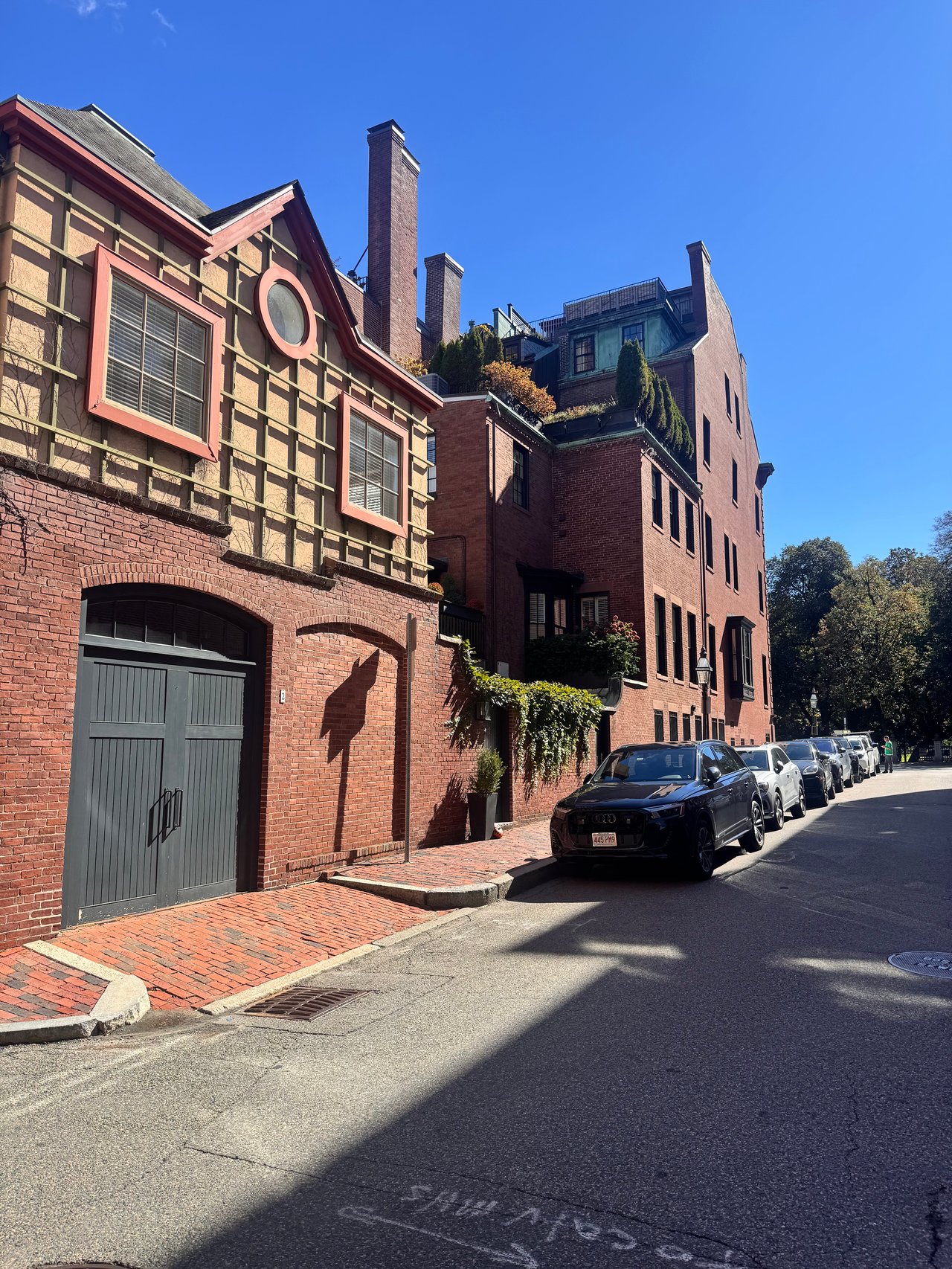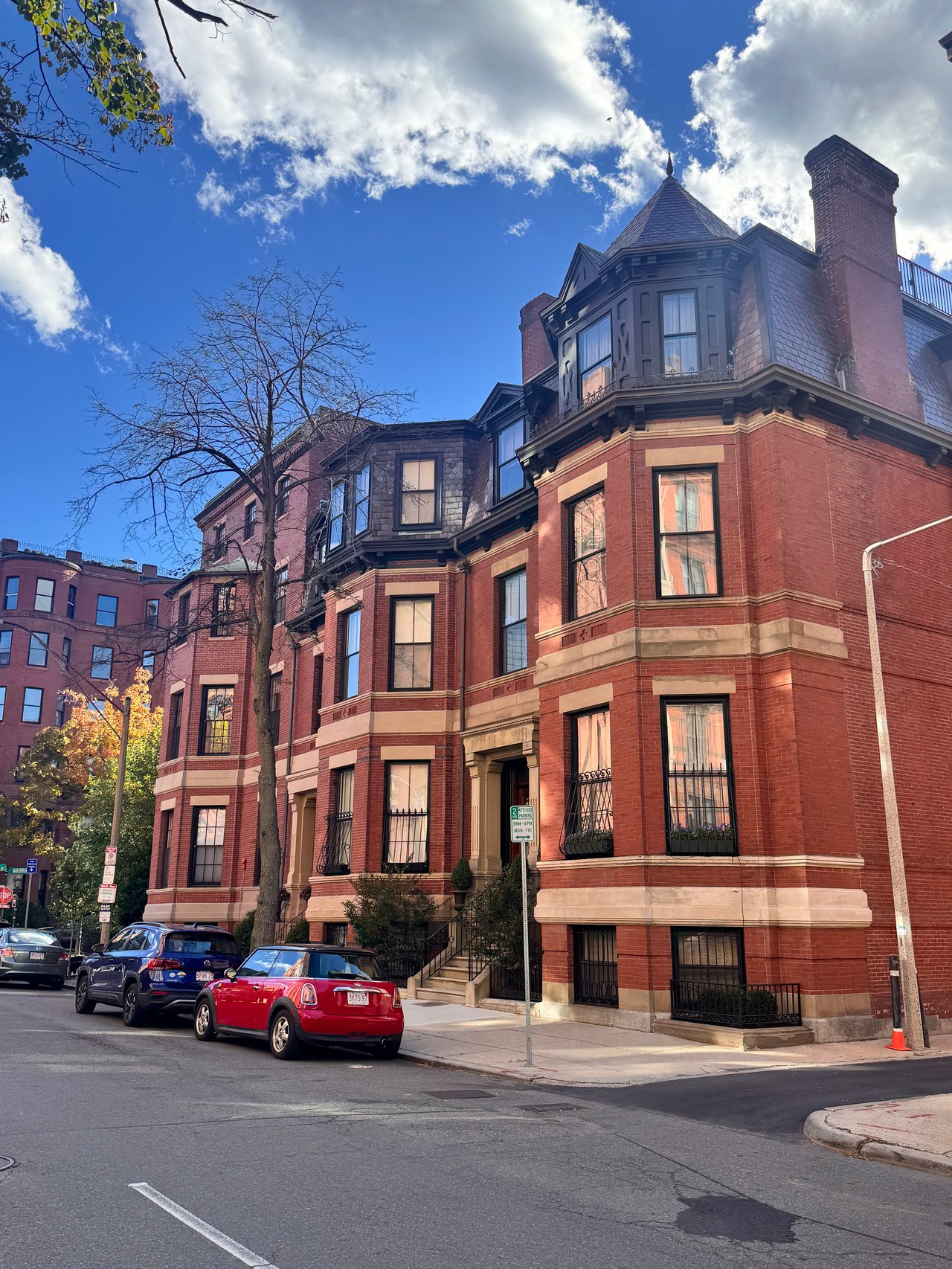
Boston's real estate market does not offer one clear answer. It offers a decision. On one side: the density, architecture, and energy of neighborhoods like Beacon Hill, Back Bay, South End, and South Boston. On the other: the schools, space, and long-term value of communities like Newton, Wellesley, and Chestnut Hill.
Both paths are worth taking seriously. The right one depends on where you are in life, what you need from a home, and what the numbers actually support. As an advisor who works across both markets, the goal is always to help clients make the right call, not the most obvious one.
Why Boston's Urban Core Remains One of the Most Competitive Markets in the Northeast
Back Bay, South End, Beacon Hill, and South Boston each draw a distinct kind of buyer, but they share one defining characteristic: demand that consistently outpaces supply.
Back Bay real estate remains among the most coveted in the city. Buyers here want the combination of walkability, brownstone architecture, and proximity to the Esplanade, the Newbury Street retail corridor, and the financial district. Inventory in Back Bay is structurally limited. The neighborhood's footprint cannot expand, and most units change hands infrequently, which creates genuine urgency when something well-priced comes to market.
South End Boston real estate draws a slightly different buyer profile: creative professionals, couples upgrading from a first condo, and investors who recognize the neighborhood's multi-family potential. The South End has one of the best price-per-square-foot stories in the city for buyers who move early in appreciating pockets. Its Victorian row houses, gallery district, and restaurant density make it one of Boston's most walkable and livable neighborhoods at any price point.
Beacon Hill real estate operates on reputation and scarcity. The cobblestone streets and Federal-style architecture are irreplaceable. Buyers competing here are typically well-capitalized and often looking for a long-term hold. The neighborhood rarely softens, and sellers know it.
South Boston has evolved substantially over the past decade. What was once considered an emerging market is now firmly established, with strong demand from young professionals and continued interest from investors who see value in the neighborhood's proximity to the Seaport and I-93. Multi-family properties in Southie continue to attract buyers who want owner-occupancy with rental income upside.
For sellers in all four neighborhoods: properly prepared and strategically priced properties are still moving quickly. The window to maximize value is real, but preparation matters more than ever.
Newton, Wellesley, and Chestnut Hill: Where Boston Buyers Go When They're Ready for Space
There is a very common buyer profile in this market: someone who has owned a condo in the city for five to ten years, has built meaningful equity, and is now thinking about more space, better school districts, and a different kind of daily life. Newton, Wellesley, and Chestnut Hill are where that conversation usually leads.
Newton MA real estate offers something the urban core simply cannot: square footage, yard space, and access to one of the most consistently high-performing public school systems in Massachusetts. Newton's villages each have their own character, from the commuter convenience of Newton Centre to the quiet residential stretches of Waban and Chestnut Hill. Buyers who move from Boston proper are often surprised by the price-per-square-foot value relative to what they paid for their condo.
Wellesley MA real estate carries a premium, and it is largely justified. The school system, the town center, and the overall quality of the housing stock make Wellesley one of the most consistently desirable communities in the state. The question buyers often ask is whether it is worth the price. For families who plan to stay for ten or more years, the answer is usually yes. The market in Wellesley tends to be more seasonal than Boston proper, with spring inventory cycles that create predictable buying windows.
Chestnut Hill luxury homes occupy a unique position: geographically close to Boston, with direct Green Line access, but with the feel and scale of a premium suburb. Buyers who are not quite ready to leave the city's orbit often find Chestnut Hill to be the ideal middle ground.
One important distinction for buyers making this shift: the suburban markets behave differently from the urban core. They tend to be more inventory-driven, more seasonal, and occasionally more negotiable, particularly on properties that have sat for more than thirty days. Understanding how to read each micro-market is part of what makes the difference between a good deal and an overpay.
Underwriting and Deal Analysis: Why Numbers Matter Before You Fall in Love With a Property
Whether the target is a South End duplex, a South Boston three-family, or a Newton single-family with an in-law suite, every purchase decision should begin with the numbers, not end with them.
In Boston's rental market, multi-family investment properties can still pencil well, but buyers need to go in clear-eyed about cap rates, carrying costs, and realistic rent projections. The days of assuming aggressive appreciation to make a deal work are behind us. What holds up is cash flow discipline: understanding the actual expense load, stress-testing for vacancy, and making sure the asset makes sense at today's financing costs, not last cycle's.
This is where having an advisor who thinks like a deal partner makes a real difference. The best outcomes happen when buyers understand what they are buying before they fall in love with it.
If you are evaluating a multi-family or investment property in Boston or the suburbs, reach out for a deal analysis conversation before you make an offer. It takes an hour and it changes the way you look at the decision.
Why Smooth Transactions Don't Happen by Accident
A clean closing is the result of deliberate preparation, not good fortune. In competitive markets, the offer strategy matters as much as the price. Buyers who come in with pre-inspections completed, fully underwritten financing, and a clear timeline are not just more attractive to sellers; they are also protecting themselves from the surprises that derail deals at the last minute.
Strong lender relationships, proactive communication, and a clear understanding of each party's priorities are what keep transactions moving. For sellers, preparation means knowing exactly what a buyer is going to find before they find it, and pricing accordingly. For buyers, it means arriving at the table with nothing left to chance.
Every step in the process, from first showing to final walkthrough, can be managed with intention. When it is, the result is a closing that feels like it was never in doubt.
What Clients Say
⭐⭐⭐⭐⭐ Verified Google Review
"Steph was great to work with. My husband and I ended up getting an off-market property in South Boston (our first home!), and the whole process was so quick and easy. She found us something we honestly never would have seen on our own, which made such a difference. She really knows the market and has great connections. She was super communicative the entire time, kept us updated every step of the way, and made everything feel really seamless. On top of that, she's just genuinely so nice and easy to work with. Couldn't recommend her more highly. Thanks again Steph, see you at our housewarming!"
An off-market property, a first home, and a process that felt effortless. That is the standard this work is held to. Deep market knowledge and genuine relationships are not talking points; they are what produce results like this one.
Ready to Buy or Sell in Boston or the Western Suburbs? Let's Talk.
In markets this competitive, timing is everything. Whether you are weighing a South End condo against a Newton single-family, evaluating a multi-family investment in Southie, or getting ready to list in Wellesley or Chestnut Hill, the right guidance makes a measurable difference.
There are three ways to connect:
- Call or text directly to talk through your situation
- Email [email protected] to start a conversation
- Fill out the contact form at stephcrawfordgroup.com for a no-pressure consultation
The next step is simple. Reach out, share where you are in the process, and get a clear picture of what the market looks like for your specific situation. You found the right advisor. Now let's get to work.
Frequently Asked Questions
What neighborhoods in Boston are best for real estate investment?
South Boston and the South End consistently offer the strongest fundamentals for Boston multi-family investment. South Boston's proximity to the Seaport and I-93 supports strong rental demand, while the South End's density and walkability attract high-quality long-term tenants. Beacon Hill and Back Bay can work for the right buyer but require deeper capital and longer hold horizons to optimize returns.
How is the Newton MA housing market different from Boston proper?
Newton operates on a different cycle than Boston's urban core. Inventory is more seasonal, peaking in spring and fall, and the market tends to be more negotiable outside those windows. Price-per-square-foot in Newton is typically lower than comparable square footage in Back Bay or Beacon Hill, which makes it an appealing destination for buyers with equity from a city sale. School district quality is the dominant driver of long-term value in Newton.
Should I buy in South End or Beacon Hill?
The decision usually comes down to lifestyle and budget. Beacon Hill offers unmatched historic character and strong long-term value retention, but inventory is thin and competition is intense. The South End offers more options at a wider price range, stronger multi-family investment potential, and a more dynamic food and cultural scene. Both neighborhoods hold value well over time; the right choice depends on how you want to live day to day.
Is Wellesley MA real estate worth the price?
For buyers with a ten-plus year horizon and school-age children, Wellesley's premium is generally justified. The school system, housing stock quality, and town center consistently attract buyers who sustain demand even in slower markets. Buyers who plan to hold for fewer than seven years or who do not need the school district may find better value in Newton or Chestnut Hill at a lower entry price.