If you are buying in Boston’s North End, a historic condo can feel like the perfect mix of character, location, and long-term appeal. It can also come with extra layers of review, maintenance, and building rules that are easy to miss if you focus only on finishes and floor plans. The good news is that with the right questions and a clear process, you can spot risks early and make a more confident decision. Let’s dive in.
Why North End condo purchases feel different
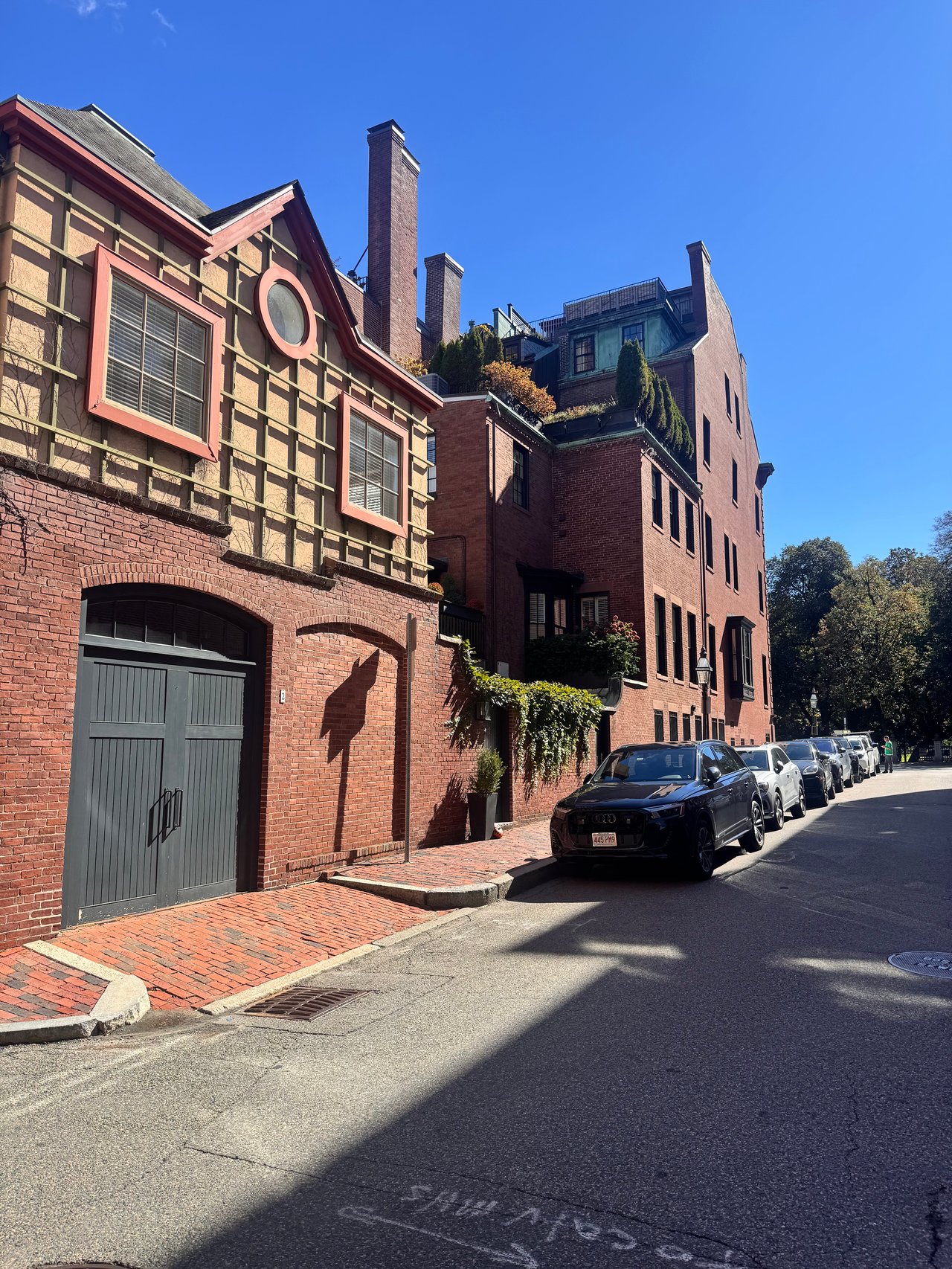
The North End is one of Boston’s most visited neighborhoods, and the city describes it as a place with narrow streets. For you as a buyer, that can affect everyday logistics in ways that newer areas may not. Moves, deliveries, and contractor access can all be more complicated in a dense streetscape.
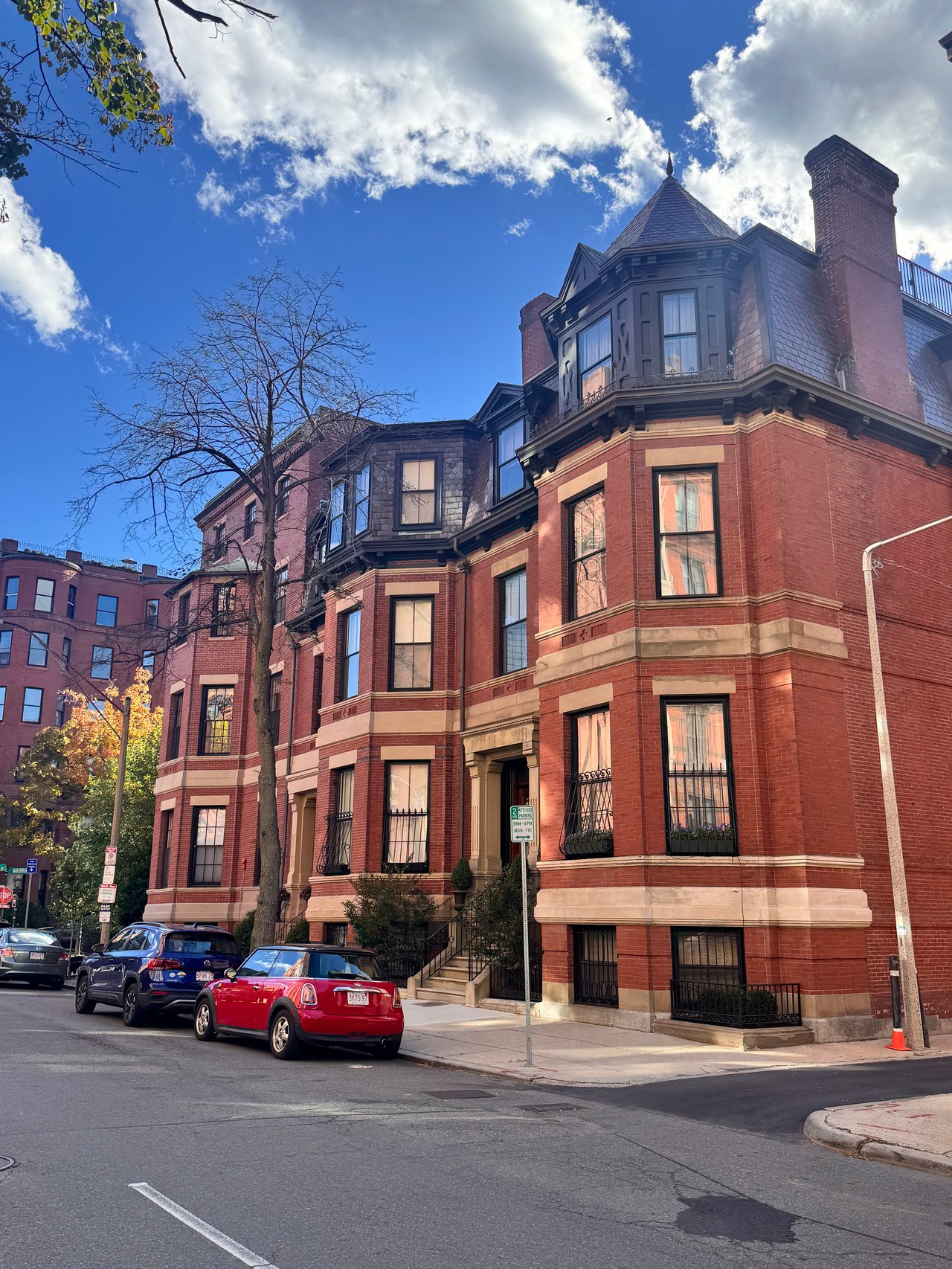
Historic status adds another layer. In Boston, local landmark and historic district rules can affect what exterior work is allowed, and each district uses its own design guidelines. That means the building’s designation status is not just background information. It can shape future repairs, approvals, and timing.
It is also important to understand that not all historic labels work the same way. Boston says National Register status is honorary on its own, while local landmark or historic district designation carries the strongest protection. Before you buy, it is smart to confirm exactly how the property is classified.
Check historic status first
One of the first things you should verify is whether the building is in a local historic district or individually landmarked. Boston provides a public map that can help buyers identify that status. This matters because exterior changes to landmarked properties and buildings in historic districts may require review by the Boston Landmarks Commission or the relevant historic district commission.
That review process is separate from zoning or building department approvals. If a seller says an exterior project was permitted, do not assume that historic approval was included. Boston is clear that these are different processes, and both may matter.
If you notice newer exterior work, ask for documentation. In Boston, approved work in historic districts or on landmarked buildings must display the approval on site, visible to the public and near the building permit. That small detail can help you confirm whether recent work followed the right path.
Review condo documents carefully
In Massachusetts, condos are governed by the master deed, the unit deed, the bylaws, and Chapter 183A. That means document review is not a formality. It is a core part of understanding what you are really buying.
Ask for the full package of records early in the process. At a minimum, you should request:
- Master deed
- Bylaws
- Minute book
- Financial records
- Reserve fund statements
- Insurance policies
- Current contracts
Massachusetts law requires condo records to be kept and made available for reasonable inspection. The state also requires an adequate replacement reserve fund that is separate from operating funds. If the reserve balance looks thin, that can be a sign that future repair costs may fall more heavily on owners.
Meeting minutes can be especially revealing. They may show patterns of deferred maintenance, discussion of upcoming projects, or concern about costs the listing details do not mention. In an older building, that context can be just as important as the unit itself.
Ask about reserves and special assessments
A beautiful historic building can still bring big future expenses. That is why reserve strength should be part of your decision from day one. You want to know whether upcoming capital work is likely to be covered by reserves or handled through a special assessment.
Massachusetts law recognizes special assessments for certain condominium expenses. If the building has limited reserves and major work is on the horizon, you could face a one-time bill after closing. For many buyers, this is one of the biggest financial blind spots in historic condo purchases.
Ask direct questions like:
- How much is currently held in reserves?
- Has the association discussed major exterior or system work?
- Are there any planned or likely special assessments?
- Have fees increased recently to support reserves or projects?
A lower monthly condo fee is not always the better deal. In some cases, it may simply mean the association has not fully funded future needs.
Focus on the building envelope
In a historic North End condo, the building envelope often matters as much as the kitchen or bath finishes inside your unit. Roofs, windows, and masonry can all carry major repair costs, and historic standards may affect how that work is done.
Roofs and rooflines
Ask about the roof’s age, leak history, vents, skylights, and any prior roof deck work. The National Park Service notes that a weather-tight roof is essential, and changes to roof configuration can diminish historic character. For you, the practical issue is whether the roof has been maintained recently and whether any past work may trigger future concerns.
Windows
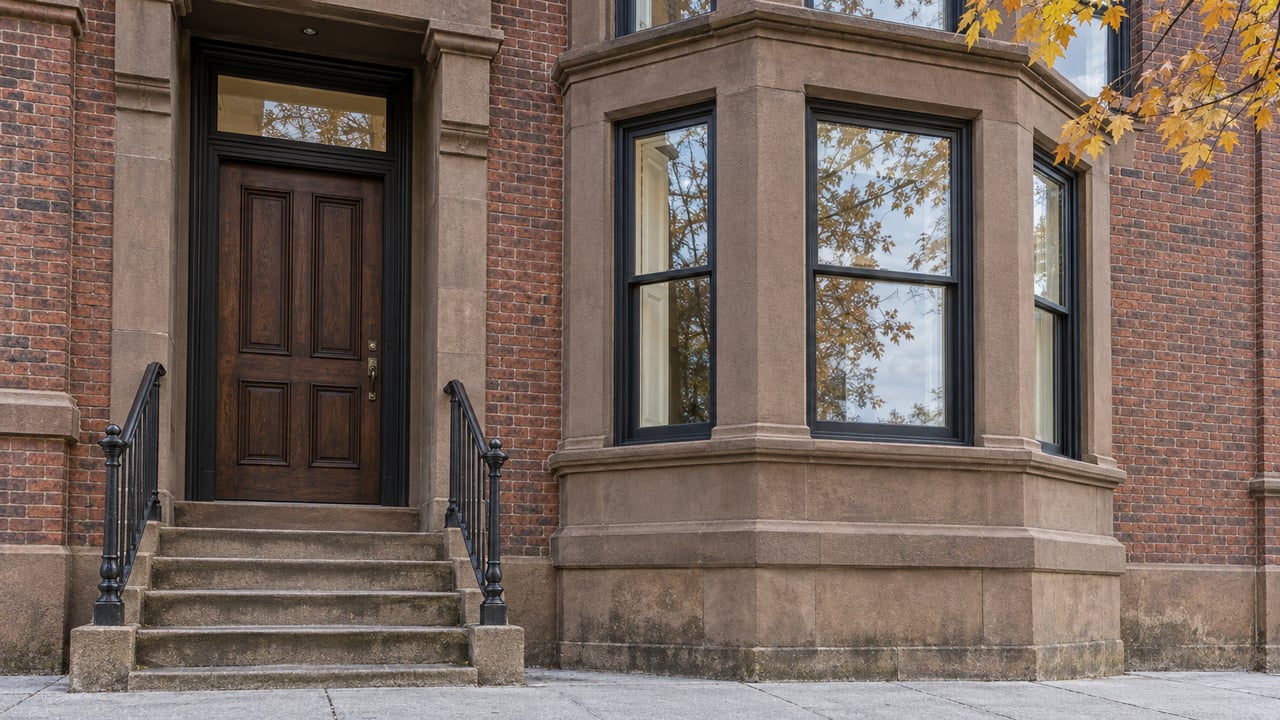
Ask whether original windows were repaired or replaced. If they were replaced, find out whether the newer windows match the building’s historic appearance. Preservation guidance says historic windows should be repaired rather than replaced when possible, so the details here can affect both maintenance and future approvals.
Masonry and repointing
Historic masonry often shows wear first at the mortar joints. Ask whether the building has been repointed, when the work was done, and what methods were used. Preservation guidance warns that improper repointing can damage historic masonry, so you want to know that repairs were done thoughtfully.
Confirm renovation history
In older buildings, the renovation timeline tells an important story. Ask for a history of past projects, especially work involving the roof, windows, masonry, balconies, or exterior mechanical equipment. These are the areas most likely to affect future costs and historic review.
If the building is landmarked or in a historic district, ask whether Landmarks approval was obtained for exterior projects. Work completed without consent, or outside the approved scope, can become a violation according to the city. That can create added complexity after you buy.
Not every older change is a red flag. Boston notes that some visible changes may predate the current designation, which can explain why the paper trail is incomplete. The key is to ask enough questions to understand what happened, when it happened, and whether the work aligns with the building’s current status.
Plan for North End logistics
Historic condo buying is not only about documents and design review. It is also about daily practicality. In the North End, density and activity levels can affect how work gets done.
Boston’s broader mobility planning for the area points to congestion from commuters, events, and deliveries. In real life, that can mean tighter timelines for move-ins, harder parking coordination for vendors, and more planning around contractor access. If your future building needs repairs, those neighborhood logistics can affect both cost and convenience.
This is one reason small building details matter. Ask how the association handles move-ins, repair access, and vendor scheduling. In a dense historic area, a building with a clear process can save you a lot of stress.
Do not overlook lead paint rules
If the building was built before 1978, check lead paint requirements early. Massachusetts says property transfer lead paint notification rules apply to homes built before 1978. This is especially important if a child under 6 will live in the home.
Under Massachusetts rules, if a child under 6 will reside there, the owner must delead or bring the home into Interim Control within 90 days of taking title. This is not something you want to discover late in the transaction. It is much easier to plan for it upfront.
What matters most for long-term value
When you buy a condo in a historic North End building, square footage and interior finishes only tell part of the story. Long-term value often depends on four bigger factors:
- Designation status
- Renovation history
- Reserve strength
- Likely scope of future envelope repairs
Those factors help you understand whether the building is being maintained in a steady, sustainable way. They also help you gauge whether a lower list price could be offset by future costs.
In this part of Boston, the most attractive purchase is not always the one with the newest countertops. Often, it is the one with a clearer paper trail, stronger reserves, and a better-managed path for future maintenance.
Buying in the North End can be incredibly rewarding, but historic buildings ask you to look deeper than surface appeal. When you understand the building’s protections, records, financial health, and maintenance history, you can move forward with much more confidence. If you want a buyer strategy grounded in neighborhood detail and careful due diligence, the Steph Crawford Group can help you navigate Boston condo purchases with clarity.
FAQs
What should you ask a North End condo association before buying?
- Ask for the master deed, bylaws, minute book, financial records, reserve statements, insurance policies, contracts, and details on any planned capital work or possible special assessments.
How do you know if a North End building has historic protection?
- Boston allows buyers to check a public map to see whether a building is in a historic district or individually landmarked, and that status affects review of exterior changes.
Why do condo reserves matter in a historic Boston building?
- Reserve strength helps show whether future repairs may be covered by savings or passed to owners through special assessments.
What building systems matter most in a historic North End condo?
- Roofs, windows, and masonry are key areas to review because they affect maintenance costs, weather protection, and historic character.
What should buyers know about lead paint in older Boston condos?
- For homes built before 1978, Massachusetts requires lead paint transfer notifications, and if a child under 6 will live there, the owner must delead or bring the home into Interim Control within 90 days of taking title.