The national headlines this month are gloomy. Pending home sales just hit a six month low. Inventory is climbing. One in five listings nationally has taken a price cut.
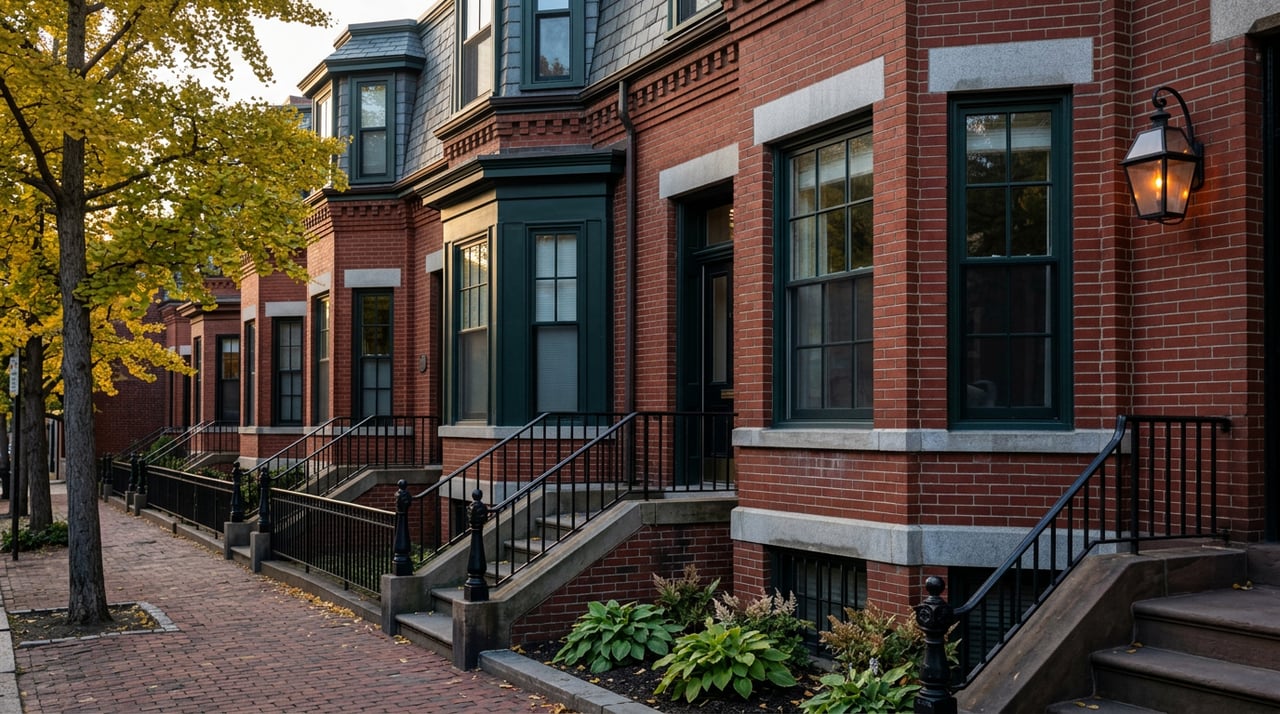
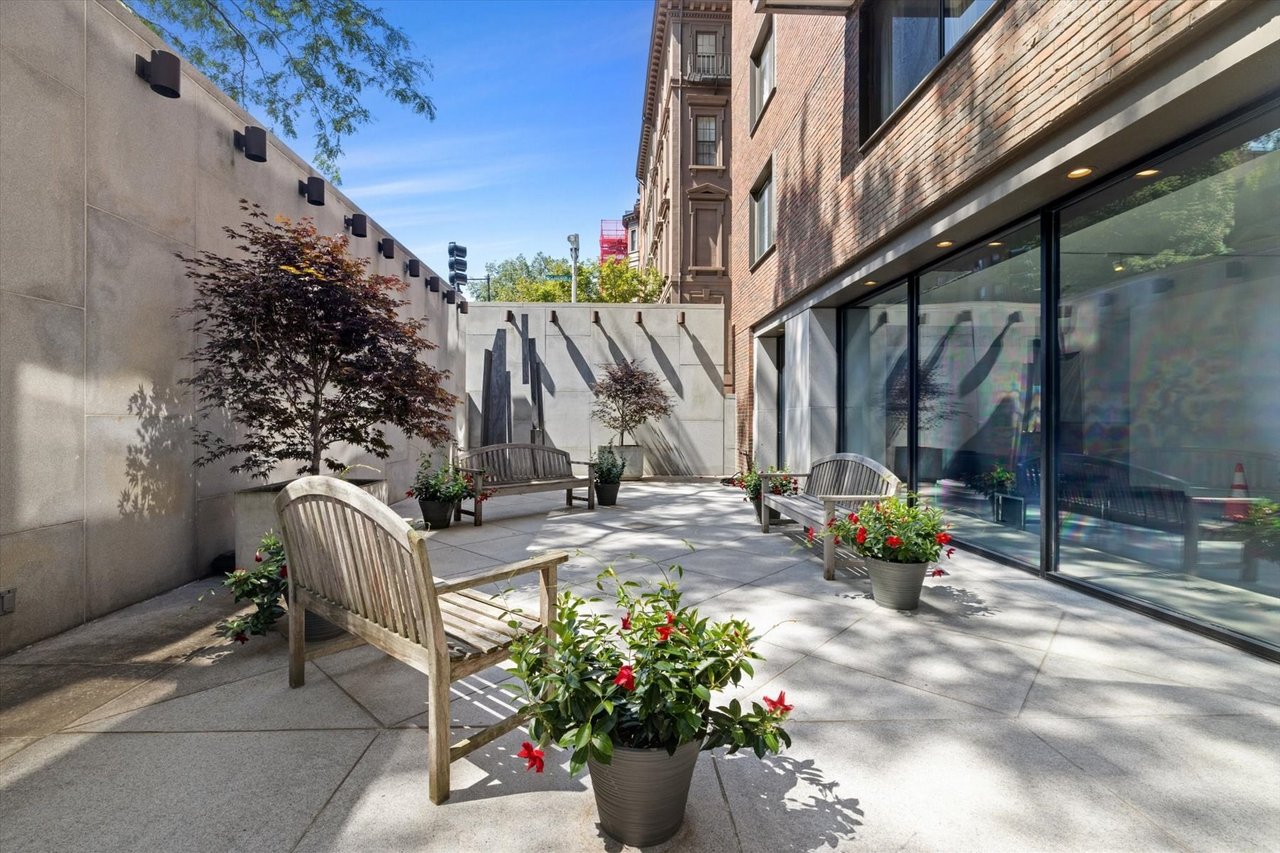
All of that is true. None of it describes what is happening on a Tuesday morning in the South End.
Greater Boston is running its own race right now, and the gap between the national story and the local one is wide enough that acting on the wrong set of facts will cost you real money this fall. Here is what the numbers actually say, and what to do about them whether you are buying or selling.
What is actually happening
Start with the national picture, because it sets the mood everyone brings to the table.
In the four weeks ending August 23, pending home sales nationally fell 3.1% year over year, the lowest level in six months. New listings rose 6%, the highest since April. Active inventory is up 1.6%. The national median sale price landed at $400,649, up a modest 1.9%. About 20.8% of listings took a price drop.
Rates are the pressure underneath all of it. The 30 year fixed averaged 6.71% in the first week of September, up from 6.50% a year ago. The 15 year sits at 6.04%. Rates are not falling. Anyone waiting for a dramatic drop before they act has now been waiting for three years.
Now look at Boston.
The median sale price in the city is $849,575, up 2.4% year over year. Homes are going under agreement in about 23 days. They are closing at 99.9% of asking. More than a third sell above list. Closed sales are up 3.4%.
That is not a soft market. That is a market where well positioned homes still move quickly and buyers still compete.
The nuance sits underneath those averages. Across Massachusetts, new listings are up 7.5% and price adjustments jumped nearly 24% year over year. Both things are true at once: the right homes go fast, and the wrong ones sit. In the South End alone, there are currently 113 condos on the market, and the average days on market for the ones still available is 91.
Ninety one days for unsold inventory in a city where correctly priced homes close in twenty three. That single comparison is the whole fall market in one number.
If you are buying this fall
You have something you have not had in three years, which is time.
Fewer buyers are touring. More homes are available. You can see a place twice before deciding. You can get a real inspection instead of waiving it to stay competitive. You can negotiate on price, on credits, on timeline, on the things that used to disappear the moment a second offer showed up.
Sellers who listed in June and are still sitting are the most open to a conversation they have been all year. That is where the leverage is. Not on the brand new listing in Back Bay that just hit the market with professional photography and a strategic launch. On the one that has quietly been there since spring.
The honest counterweight: waiting for rates does not have a good track record. For activity to really pick up, rates would need to fall meaningfully, and that is not what forecasters see happening this fall. If the house is right and the monthly payment works, waiting mostly costs you the house. You can refinance a rate later. You cannot refinance the one that got away.
If you are selling this fall
Pricing right out of the gate matters more now than it did in May.
Buyers are still showing up in Greater Boston, but they are doing the math before they walk in. An aspirational number no longer reads as confidence. It reads as an invitation to negotiate, or more often, a reason to skip the showing entirely. Homes priced correctly are still moving fast here. Homes priced hopefully are joining that 91 day pile.
Presentation matters more too. With fewer buyers touring, the ones who do come through are serious and they compare hard. Staging, real photography, and a genuinely strategic launch are the difference between an offer in two weeks and a price cut in six.
The good news is that competition is thinner than the inventory numbers suggest. New listings are up, but a lot of what is sitting has been sitting for a reason. A fresh, well prepared listing still stands out in a way it did not at the peak of spring.
One more thing worth saying plainly. This is not a market in trouble. National price drops are running at 20.8%, essentially flat versus last year, and the national median sale price is still up. Sellers are not capitulating. They are adjusting.
What this means in Boston specifically
Averages hide a lot in a city built out of neighborhoods.
The urban core, meaning the South End, Back Bay, Beacon Hill, South Boston, and the Seaport, is behaving very differently from the national median. So are the strongest suburbs. A well located brownstone duplex with outdoor space and parking is not competing with the national housing market. It is competing with the three other comparable units that came to market this month, and there may not be three.
That is why the national headline and your actual outcome can point in opposite directions. The question is never what the market is doing. It is what your specific home, on your specific block, at your specific price, is doing.
The bottom line
This is not a bad season to buy or sell in Greater Boston. It is a season that rewards preparation and punishes guessing.
Buyers have room to be thoughtful for the first time in years. Sellers who price correctly and present well are still getting near asking in about three weeks. The people who struggle this fall will be the ones who bring last spring's assumptions to this fall's market.
If you are thinking about a move between now and the end of the year, let's look at your actual numbers together. Not the national ones.
Steph Crawford Group helps clients buy and sell homes across Boston's urban core and the surrounding suburbs, including the South End, Back Bay, Beacon Hill, South Boston, the Seaport, Newton, Brookline, Wellesley, Winchester, and Melrose.
Sources: Redfin Housing Market Report, August 27, 2026 (four weeks ending August 23, 2026); Freddie Mac Primary Mortgage Market Survey, week ending September 3, 2026; Redfin Boston housing market data, three months ending July 2026; Lamacchia Realty July 2026 Massachusetts Housing Report; Boston Realty Web South End market report, August 15, 2026.