Thinking about living in Cambridge while building equity and maybe a little income on the side? You have two strong paths: buy a condo and keep life simple, or buy a small multi-family and live in one unit while renting the others. Both can work well in Cambridge’s tight, high-demand market.
You want clarity on monthly cost, time commitment, and long-term upside. You also want to understand local rules, financing, and insurance so there are no surprises. In this guide, you’ll compare each option using current Cambridge data and practical checklists you can use right now.
If you are weighing a condo versus a 2 to 4 unit as an owner-occupant, here is how to decide with confidence. Let’s dive in.
Cambridge market at a glance
Cambridge is expensive and competitive. A recent February 2026 city market snapshot put the median sale price around $940,000. Small multi-family buildings often trade higher than many condos, with recent medians around the low to mid seven figures and examples near or above roughly $1.2 million. Expect wide variation by neighborhood, lot size, and condition.
Rents are strong. Published trackers indicate typical Cambridge ranges of about $2,600 to $3,000 per month for many one-bedrooms and about $3,000 to $4,000 per month for many two-bedrooms. You can use the ApartmentList summary to set expectations and to pressure test your model using conservative assumptions. See the local overview in the ApartmentList guide to the cost of living and rents in Cambridge.
For property taxes, Cambridge’s FY2026 residential rate is posted at $6.67 per $1,000 of assessed value. You can review the City’s FY26 property tax materials to estimate carrying costs on a specific address at the City of Cambridge property tax information page.
One more local factor matters for long-term value. On February 10, 2025, Cambridge adopted citywide zoning changes that allow multifamily housing in nearly all residential neighborhoods, with a new baseline district and typical height allowances. This reform increases redevelopment options citywide and can influence land value over time. Read the City’s summary of the citywide multifamily zoning update.
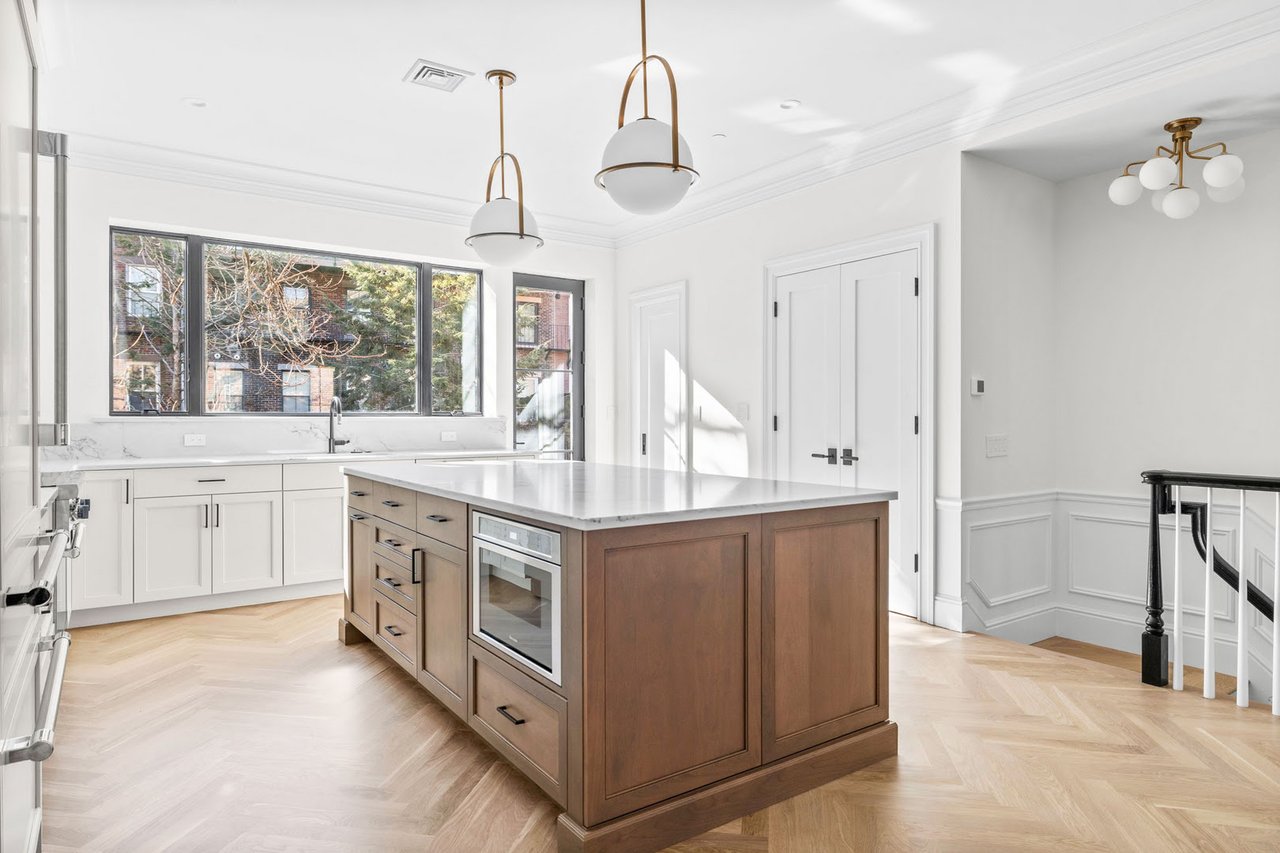
What living in a condo offers
Condos simplify ownership. The HOA usually handles the exterior envelope, roof, common systems, and building insurance. You focus on your interior, plus an HO-6 policy that coordinates with the master policy. For a quick primer, the Hippo overview explains what HO-6 condo insurance typically covers.
Monthly HOA dues support that coverage and maintenance, but they add to your carrying costs. Special assessments can also affect your budget. Always review the HOA’s budget, reserve study, recent meeting minutes, and any pending litigation before you commit.
Privacy varies. A boutique building with few units can feel low-key and neighborly. Larger buildings have more shared spaces, but they also tend to have rules that help everyone live comfortably.
What owning a small multi-family offers
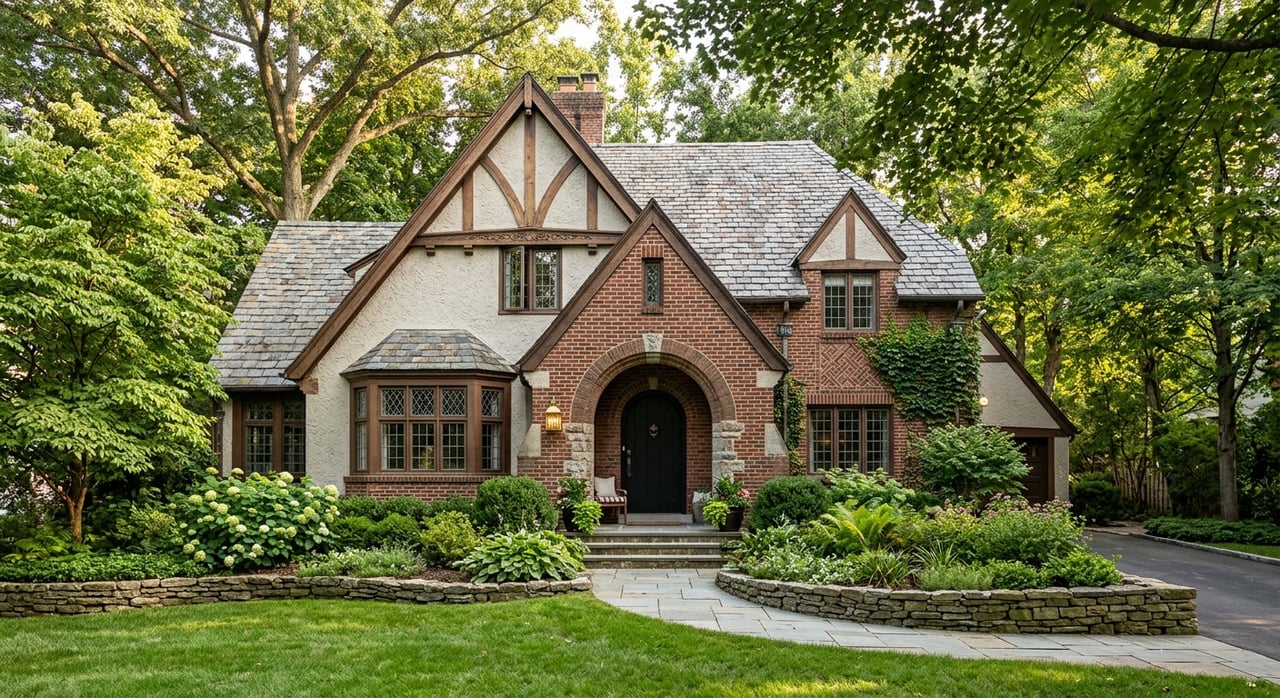
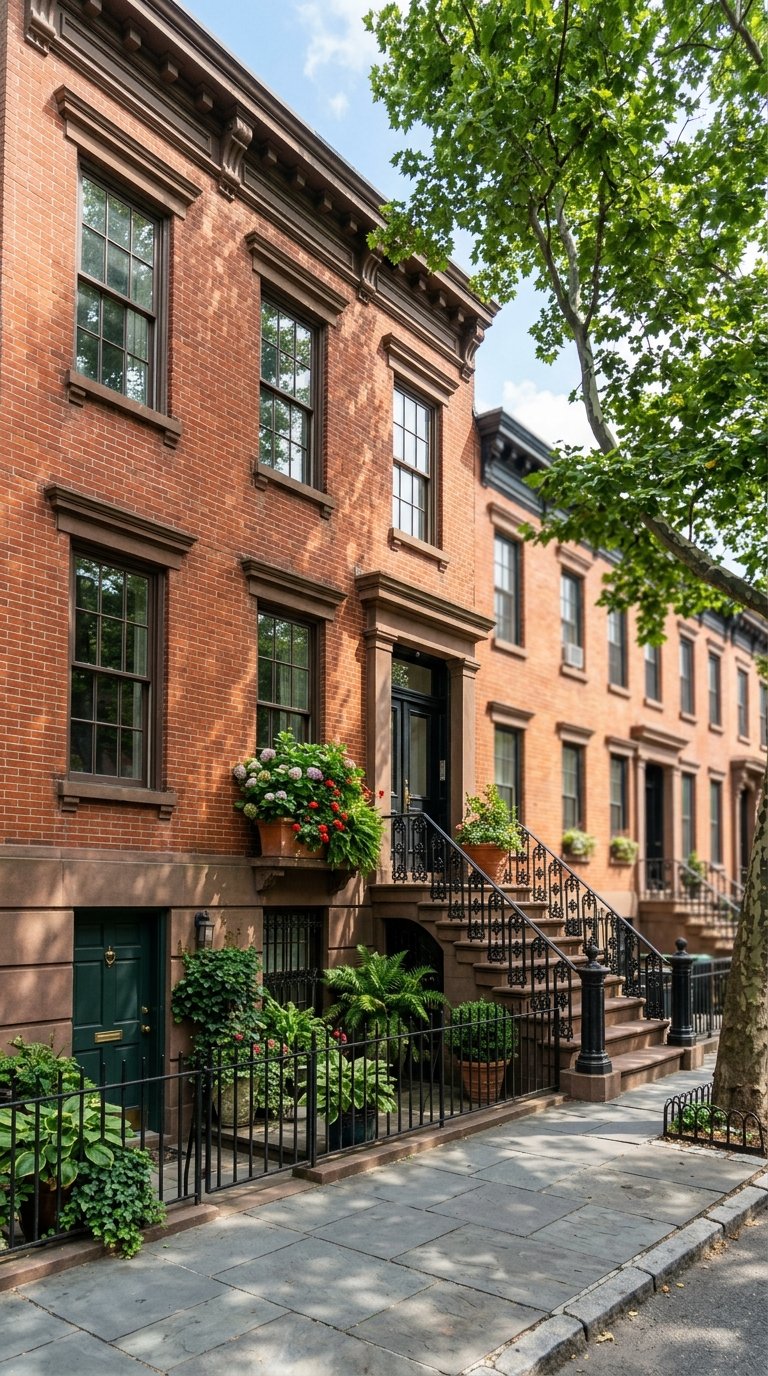
When you buy a 2 to 4 unit building and live in one unit, rent from the other units can offset your housing costs. In Cambridge, where rents are high, this can create a compelling path to equity. The tradeoff is responsibility. You own the whole structure, handle ongoing maintenance, and must comply with landlord rules.
For insurance, you will price a landlord or rental dwelling policy that covers the building, landlord liability, and often loss of rent. Compare the coverages and premiums to a condo’s HO-6 plus master policy exposure. This DP-3 style policy is described here in a landlord insurance overview.
Daily life is different too. You may share walls, yards, or storage with tenants and handle repairs or vendor calls unless you hire a property manager. If you prefer full control and are comfortable with hands-on ownership, the flexibility can be worth it.
Financing differences that change affordability
Two financing shifts have made house hacking more accessible for owner-occupants:
- FHA for 2 to 4 units. FHA permits owner-occupied financing for 2 to 4 unit properties when you live in one unit. Lenders also consider projected rent in qualification within program rules. See an overview of how lenders treat rental income for FHA multi-unit purchases. Always confirm current lender overlays and loan limits.
- Conventional update. In late 2023, Fannie Mae’s Desktop Underwriter update increased the maximum loan-to-value for many owner-occupied 2 to 4 unit purchases, enabling as little as about 5 percent down in many cases. Details and reserve requirements vary by lender. Review a lender bulletin summarizing the Fannie Mae LTV change for 2 to 4 unit homes and check your options with a local lender early.
If you choose a condo and plan to use FHA or VA, confirm the project’s status. FHA maintains project standards and a public lookup. If the building is not approved, your financing options may be limited unless a single-unit approval is possible. Learn more at HUD’s page on condominium approvals and single-unit approvals.
Insurance and monthly costs
- Condo owners usually carry an HO-6 for interiors, contents, and liability. The HOA’s master policy covers the exterior and common areas. Confirm the master policy deductible and any loss assessment exposure. Reference: HO-6 insurance basics.
- Multi-family owners carry landlord coverage that typically insures the entire building, landlord liability, and can include loss-of-rent protection. Get quotes and compare deductibles and exclusions. Reference: Landlord insurance overview.
When you model monthly costs, include mortgage principal and interest, taxes at the FY26 rate, insurance, HOA dues for condos, a repair and capital reserve, and for multi-family, a management and vacancy allowance.
Landlord time, privacy, and compliance
Cambridge regulates rental housing. If you plan to rent a unit in a small multi-family or rent your condo subject to HOA rules, expect registration steps and inspections at certain points in the tenancy lifecycle. Build timing and fees into your plan.
Short-term rentals are tightly regulated. Cambridge requires registration and a certificate, and applies safety and inspection standards. If you expect to rely on short-term income, verify whether you qualify and what is permissible for your property type at the City’s page on short-term rental registration.
Massachusetts has detailed landlord-tenant rules, including strict handling of security deposits. Make sure your process follows state law on escrow, interest, and accounting. Review the official guidance on Massachusetts security deposit rules.
Rental income potential in Cambridge
Use published rent ranges to model gross income, then be conservative:
- Set rents using current local ranges. ApartmentList’s Cambridge summary can help you set reasonable one and two-bedroom estimates. See rents and cost of living in Cambridge.
- Apply vacancy and credit loss of 5 to 10 percent or more.
- Budget operating expenses and capital reserves for building systems.
Lenders may allow projected rent from the non-owner units to help you qualify. The approach differs by loan type and lender. FHA and conventional programs treat rental income and reserve requirements differently, so confirm with your lender and review the FHA multi-unit qualification overview.
Long-term flexibility and resale
Condos often have broader buyer pools and simpler resale, but values can hinge on HOA health, any litigation, special assessments, and whether the project is considered warrantable for common loan programs. If you plan to sell later, understand how the building’s financials and governance influence buyer financing. You can review FHA condo project criteria at HUD’s condominium approval resource.
A small multi-family can be sold to an investor or, subject to rules, be converted to condominiums. Cambridge’s 2025 zoning changes increased redevelopment options across many neighborhoods. Over time, that can support land value but may also attract redevelopment interest around smaller buildings. Read the City’s summary of the multifamily zoning update to understand the framework.
What to review before you buy
For a condo unit
- HOA master deed, declaration and bylaws, current budget and reserve study, and minutes from the last 12 months.
- Insurance documents for the master policy, including deductibles and any loss assessment history.
- Recent or pending special assessments and any litigation disclosures.
- Resale comps and whether the project is FHA or VA approved, or if single-unit approval is feasible via HUD’s condo approval lookup.
For a 2 to 4 unit multi-family
- Current rent roll with signed leases and a record of security deposits that complies with Massachusetts deposit rules.
- Utility metering and who pays each utility, repair invoices, and any past code or inspection records.
- Certificates of occupancy where applicable and a recent home inspection that covers structure, roof, electrical, plumbing, HVAC, and any lead or paint issues.
Cross-check for both
- Verify tax bills and estimate FY26 taxes using the Cambridge property tax rate.
- Confirm insurance quotes for HO-6 plus master policy exposure for condos, or landlord DP-3 for multi-family.
- Confirm zoning, overlays, and any neighborhood-specific factors using the City’s zoning update summary and by speaking with City staff for property-specific questions.
Tip: Work with a Massachusetts real estate attorney for condo document review or any property with a condo-conversion history. Engage your lender early to confirm down payment, reserves, and treatment of rental income. A local insurance agent can walk you through master policy deductibles and landlord coverage.
Which path fits your goals
Choose a condo if you want:
- Lower day-to-day maintenance with HOA support.
- Predictable budgeting through HOA dues and a simpler owner experience.
- Liquidity and lifestyle convenience in a central Cambridge location.
Choose a small multi-family if you want:
- Rental income to offset housing costs while you live on-site.
- Control over the whole property and flexibility to renovate or reconfigure.
- Potential long-term land value upside under Cambridge’s citywide multifamily zoning.
Ready to explore specific buildings, run a side-by-side cost model, or pressure test a house-hack scenario with Cambridge rents and FY26 taxes? The Steph Crawford Group brings data-driven guidance and neighborhood insight to help you compare options, structure financing, and move forward with confidence.
FAQs
What is the current Cambridge median sale price for context?
- A February 2026 city snapshot showed a median sale price around $940,000. Always verify the latest data before you write offers since Cambridge updates monthly.
How do typical Cambridge rents factor into a house-hack model?
- Use about $2,600 to $3,000 for many one-bedrooms and $3,000 to $4,000 for many two-bedrooms, then apply 5 to 10 percent vacancy plus maintenance and reserves. See ApartmentList’s Cambridge rent overview when modeling.
What are Cambridge’s rules for short-term rentals in owner-occupied homes?
- Cambridge requires registration and a certificate, with safety and inspection standards. Start at the City’s page on registering a short-term rental and confirm eligibility for your property.
Can I buy a Cambridge triplex with about 5 percent down as an owner-occupant?
- Many lenders now offer conventional options reflecting Fannie Mae’s late 2023 changes that allow higher LTVs on owner-occupied 2 to 4 units, subject to limits and overlays. Review this summary of the LTV update and confirm details with your lender.
Do I need a condo building to be FHA approved if I plan to use FHA?
- Usually yes. FHA requires a project approval or a single-unit approval. Check HUD’s condominium approval resource to see current status and feasibility.
What property tax rate should I use to estimate monthly cost in Cambridge?
- The FY2026 residential rate is $6.67 per $1,000 of assessed value. Review the City’s property tax information to estimate taxes on a specific home.