Trying to decide between South Boston and the Seaport for your first condo? Both offer strong locations and Boston lifestyle, but the feel, price, and monthly costs can be very different. If you want clarity on where your budget stretches further, what commute you’ll have, and how HOAs can change your payment, you are in the right place. This guide breaks down what you need to know so you can choose with confidence. Let’s dive in.
Quick answer for first-time buyers
- More expensive overall: Seaport. Recent neighborhood snapshots show a clear premium on median prices and price per square foot compared with South Boston. See current medians on the Seaport District market page and South Boston market page.
- More “neighborhoody” day-to-day: South Boston. You’ll find established residential blocks, local restaurants, and access to beaches like Castle Island and M Street Beach that many residents enjoy.
- Best commute for Seaport office workers: Seaport if you want a walk-to-work setup and building amenities. South Boston can still be a short trip at a lower buy-in.
Market snapshot: prices and value
Below are practical ranges for first-time buyers based on recent 2024–2026 reporting. Always confirm current data on the live Redfin pages before you shop since prices move.
| Area | Typical median sale price | Typical $/SF | Entry-level ranges for first-timers |
|---|---|---|---|
| South Boston | Roughly $900K to $1.0M median | Often under $1,000 per sq ft in many areas | Studios and smaller 1BRs mid-$400Ks to $700Ks; 1BRs about $600K to $900K; 2BRs about $800K to $1.3M depending on location and finish |
| Seaport | Roughly $1.6M to $1.9M median | Often $1,500 to $1,800+ per sq ft in luxury towers | 1BRs commonly above $1M; many 2BRs above $1.5M |
Sources: South Boston median and ranges, Seaport median and ranges, and neighborhood $/SF trends.
What you get for your money
South Boston: classic housing and lower HOAs
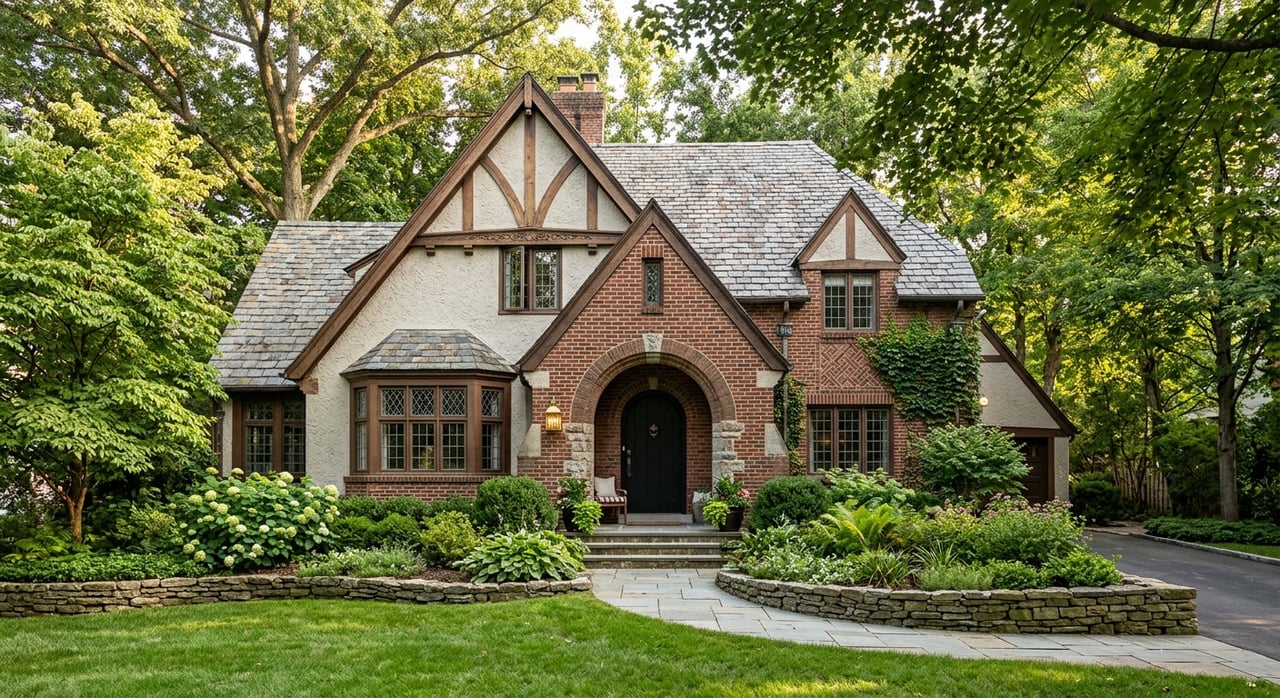
South Boston’s housing stock features classic triple-deckers and wood-frame rowhouses converted to condos, plus small associations and some new mid-rise buildings along Broadway. The upside for first-timers is price flexibility and often lower monthly HOA fees compared to full-service towers. Example listings in South Boston have shown HOA fees in the low hundreds per month, like this conversion with an association fee noted around the low-$200s on 275 W 2nd St Unit 3. You may trade some amenities for monthly savings.
What to watch: smaller associations sometimes have thinner reserves. Review financials, reserve studies, and any planned work so you are not surprised by a special assessment later.
Seaport: new construction and full-service living
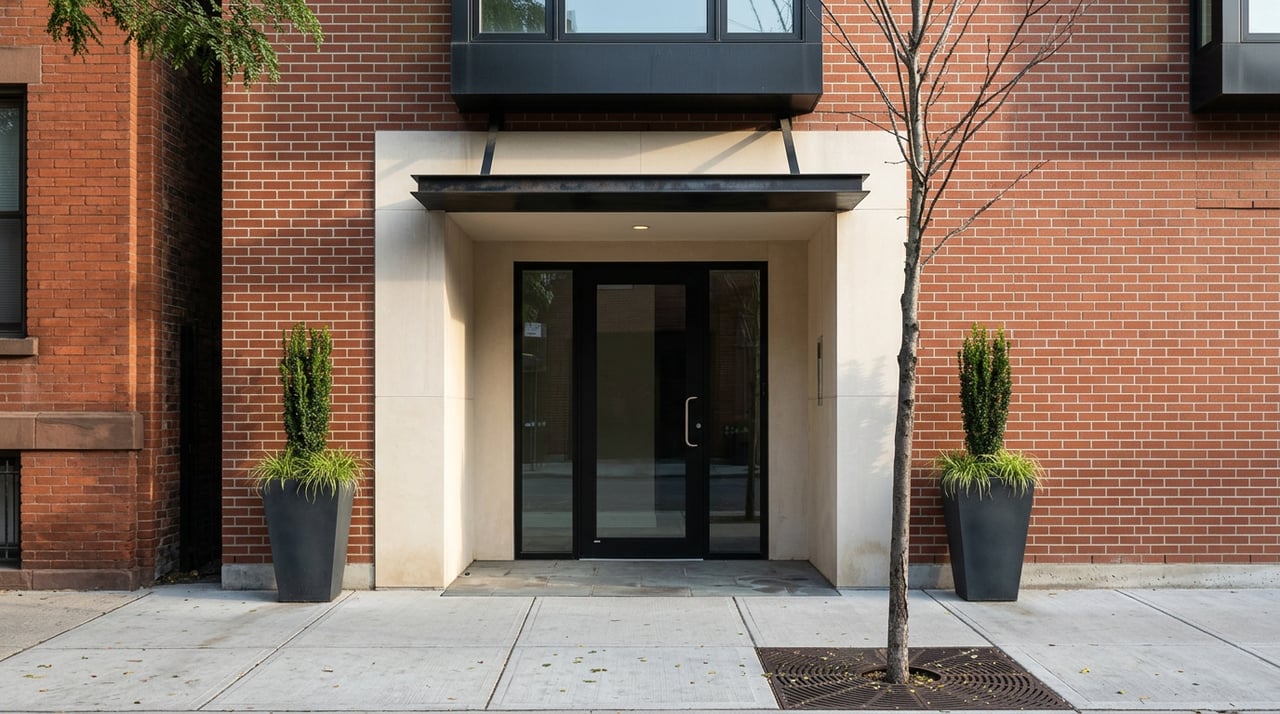
Seaport buildings are newer and highly amenitized. Expect doormen, fitness centers, and premium finishes in many towers. The tradeoff is higher HOA fees to cover staffing and amenities. Larger luxury units can carry monthly fees in the thousands, as seen in example Seaport listings like 50 Liberty 7A. Even smaller units in older Seaport buildings often land in the high hundreds to low thousands per month. This can materially change your monthly payment and lending qualification.
Space and finishes
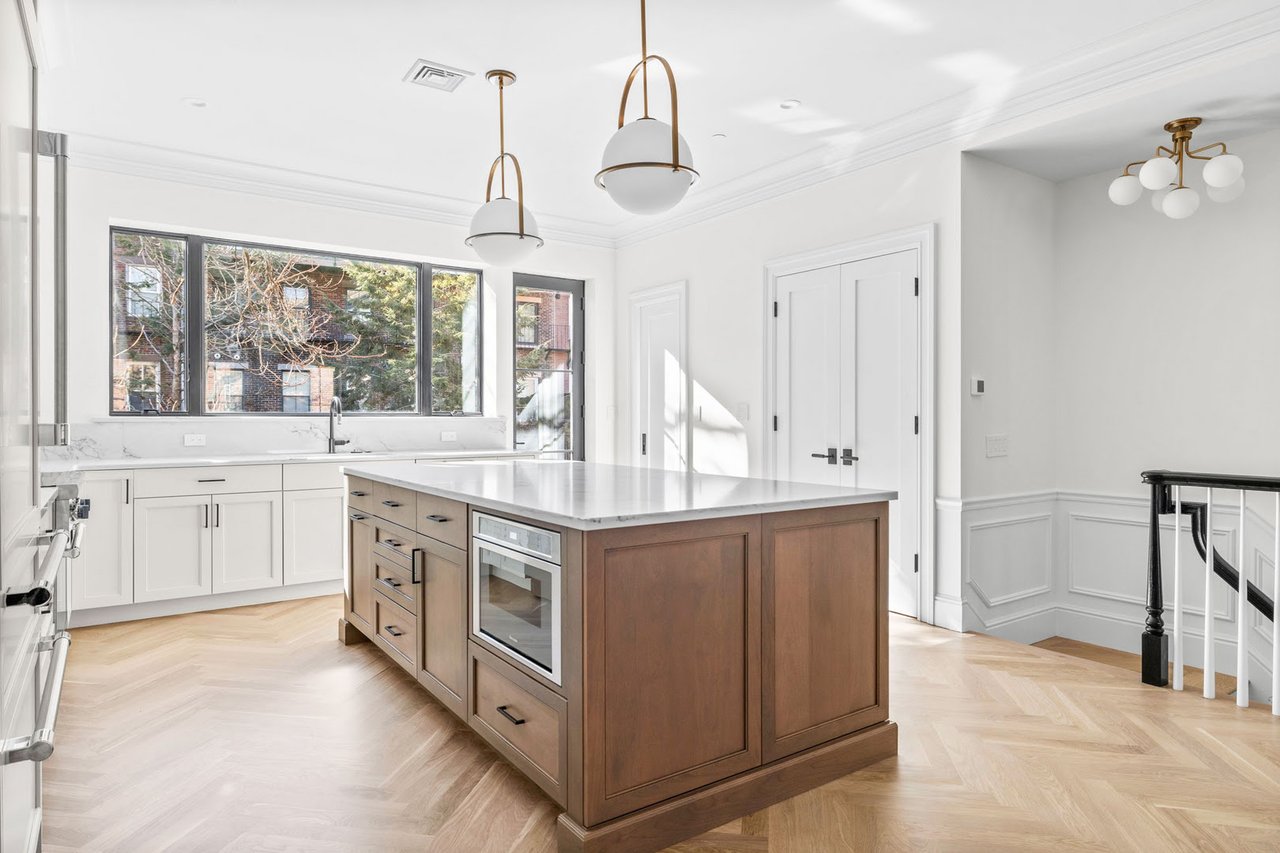
Seaport one-bedrooms often deliver larger windows, high ceilings, and amenity access that push price per square foot higher than most of South Boston. Two-bedroom Seaport units commonly range into four-figure square footages with skyline or harbor views, which further increases value per foot in these micro-markets. See the JDA Advisors report for context on how Seaport commands top-of-market pricing.
In South Boston, many older conversions make efficient use of space. You will see a broad range of layouts. Newer mid-rise buildings near Broadway tend to feel larger and may include private outdoor space, while older conversions may feel cozier with more individual character.
Commute, transit, and mobility
Seaport: Silver Line and walk-to-work convenience
If you work in the Seaport or Financial District, living in the Seaport can minimize your walk and reduce transfers. The neighborhood is served by the MBTA Silver Line with stops at World Trade Center, Courthouse, and Silver Line Way, plus connections to South Station. For details on routes and options, check the Seaport TMA transit guide. Airport access via the Silver Line is a plus if you travel frequently.
South Boston: Red Line access and neighborhood routes
Many South Boston addresses are a walk or short bus ride to Broadway or Andrew on the Red Line, which provides a quick shot to downtown. Depending on your exact location, you can also walk or bike to the Seaport. If you value subway access and a residential setting, South Boston can balance both well.
Parking
If you need a car, factor parking into your monthly plan. South Boston relies heavily on the City’s resident permit program and on-street parking. Seaport residents more often use garage parking, either deeded with a unit or rented for a monthly fee. If a space is not included with the condo, plan for an extra cost.
Neighborhood feel and daily life
South Boston vibe
South Boston is an urban neighborhood with a strong sense of history and tradition. You will find local restaurants, neighborhood pubs, and waterfront parks and beaches that many residents enjoy. The City highlights its residential character within the broader Boston fabric. Learn more about neighborhood services and community resources on the City’s site for South Boston.
Seaport vibe
The Seaport is Boston’s modern waterfront district, shaped by large-scale redevelopment with offices, hotels, cultural venues, and destination dining. Residential towers sit among public spaces like Fan Pier and Seaport Common. The resident base is growing, but daytime workers and visitors still add to the buzz. For context on the district’s planning area and growth, see the BPDA’s South Boston Waterfront at a glance.
Quick local color
- South Boston: beaches, Castle Island walks, local restaurants, neighborhood blocks, and a mix of classic and newer condos.
- Seaport: waterfront green spaces, dining, ICA and event venues, and high-rise living with services.
Flood risk and insurance
A key difference for waterfront buyers: much of the Seaport and South Boston Waterfront sits on filled tidelands and appears in Boston’s climate resilience planning as higher risk for tidal and coastal flooding over time. Before you buy, review FEMA flood maps, the building’s elevation and flood plan, and the master insurance policy. The City’s Climate Ready South Boston report outlines the risk landscape and planned projects like Moakley Park and Fort Point Channel measures. You can read the report here: Climate Ready South Boston.
What this means for you: buildings in higher-risk zones may carry higher master policy premiums or require specific mitigation steps. Clarify the building’s approach and any planned capital projects that could lead to future assessments.
First-time buyer help and financing
If you are buying your first home in Boston, look into programs that may reduce your rate or upfront costs. The City’s Home Center supports programs like ONE+Boston, which combines an interest rate discount with down payment and closing cost assistance for eligible buyers. Funding and rules can change, so contact the City and approved lenders early. Learn more from the City’s update on ONE+Boston funding.
Which buyer are you?
Budget-focused buyer who wants neighborhood life
Prioritize South Boston. Look for renovated triple-decker conversions or smaller mid-rise buildings near Broadway or closer to the beach. You can often keep HOA fees lower, then weigh tradeoffs on space, finish level, and parking.
Seaport professional who wants walk-to-work convenience
Consider Seaport towers if you value a short commute, premium finishes, and on-site amenities. Expect higher HOAs and potentially higher parking costs. Review flood risk and the master insurance policy details early.
Hybrid lifestyle: near Seaport dining with a residential feel
Explore the edge between South Boston and the Seaport, including Fort Point and nearby blocks. Some buildings give you newer construction and quick access to the waterfront while keeping a more residential context.
Your 5-step decision checklist
- Define your total monthly budget. Include principal, interest, taxes, HOA, insurance, and parking if needed.
- Map your commute. Walk the route at rush hour or test the Silver Line or Red Line door to door.
- Compare HOAs and what they include. Look at staffing, amenities, master insurance, reserves, and any known projects.
- Review building risk and resilience. Check flood maps, equipment location, and building-level plans for storms and sea level rise.
- Plan for resale. Ask how the area’s buyer pool, building type, and HOA health could influence future value and time on market.
Bottom line
If you want a classic neighborhood feel with broader price points and often lower monthly fees, South Boston deserves a close look. If you want a high-amenity, walk-to-work lifestyle and can support a higher monthly payment, Seaport delivers that in spades. The right choice aligns your budget, commute, and day-to-day routine.
Ready to compare real listings, fees, and building details side by side? Reach out to the Steph Crawford Group for a focused, data-driven search and a clear plan from first tour to closing.
FAQs
What costs more each month for a first condo in Boston’s Seaport vs. South Boston?
- Seaport often carries higher HOA fees and higher purchase prices, which can increase your monthly payment compared to many South Boston options.
How risky is flood exposure for Seaport-area condos in Boston?
- Much of the South Boston Waterfront, including parts of the Seaport, is identified for elevated coastal flood risk; review building elevation, flood plans, and insurance before you buy.
Are entry-level Seaport one-bedrooms usually over $1 million?
- Small Seaport one-bedrooms under $1 million are less common; many 1BR units trade in the low to mid seven figures and up, based on recent reporting windows.
Do South Boston condo buildings usually have lower HOA fees than Seaport towers?
- Many South Boston conversions and small associations show lower monthly fees, while full-service Seaport towers tend to have higher HOAs due to staffing and amenities.
What first-time buyer assistance exists if I purchase in Boston?
- The City’s ONE+Boston program has offered rate reductions and assistance for eligible first-time buyers; confirm current funding and rules with the Boston Home Center and lenders.