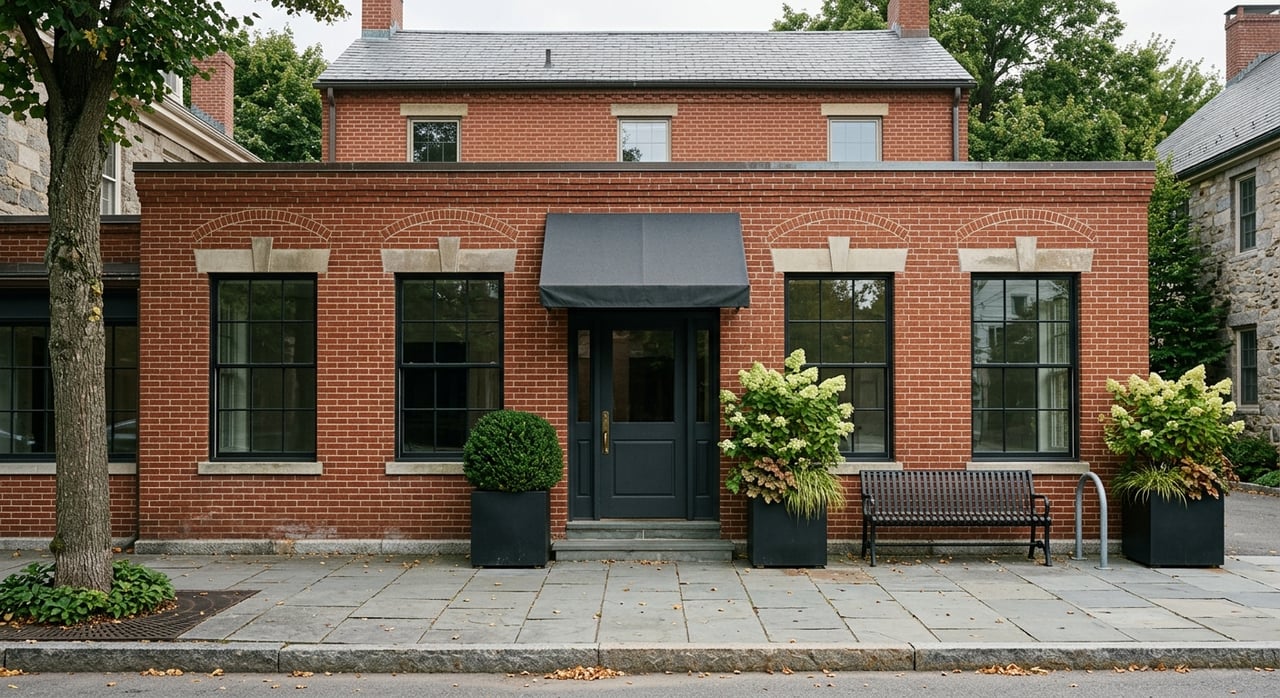
Curious what day-to-day life in Wellesley actually feels like beyond the listing photos and map pins? If you are considering a move here, you are probably trying to picture more than home styles and commute times. You want to know how errands, outdoor time, community events, and the town center all fit into real life. This guide walks you through the everyday lifestyle in Wellesley Town Center and beyond, so you can get a clearer sense of how the town functions from morning coffee to weekend plans. Let’s dive in.
Wellesley feels like a village-center suburb
Wellesley stands out because it functions less like a single downtown strip and more like a collection of connected community spaces. The town center, parks, trails, public resources, and residential streets work together in a way that supports daily routines close to home.
At the center of that experience are Wellesley Square and Linden Square. Around them, you will find neighborhoods that are largely residential, with detached homes making up about 82% of the town’s dwelling units according to the town’s draft strategic housing plan. That combination helps create a compact village feel in the center with quieter residential areas surrounding it.
Wellesley Square anchors daily errands
Wellesley Square is the historic village center, with roots going back to the 1850s. Today, the merchants association describes it as a vibrant destination for shopping and special events, and that matches the practical role it plays in daily life.
The business mix supports a wide range of everyday needs. You can find coffee and ice cream shops, bakeries, cafes, bookstores, boutiques, jewelry stores, galleries, salons, fitness studios, restaurants, and service businesses all in one general area.
Current examples listed by the merchants association include J.P. Licks, Le Petit Four Bakery, Popovers, Truly’s, Alta Strada, Wellesley Books, Salt Boutique, Sara Campbell, and Anderson’s Jewelers. For many buyers, that kind of mix matters because it gives the town center an active feel without requiring a long drive for simple plans or quick errands.
Parking and access are manageable
A walkable center is important, but access also matters. According to the town center transportation page, Wellesley Square includes metered on-street parking, off-street commuter and business lots, free parking in Church Square, and mobile payment options through PayByPhone and Passport.
That setup can make quick stops more convenient, whether you are grabbing coffee, heading to a local shop, or meeting someone in town. In a smaller downtown setting, practical parking can make a real difference in how often you use the center.
Linden Square adds another retail hub
Linden Square gives Wellesley a second shopping and service node nearby. Its tenant categories include retail, food and drink, grocery, services, fitness, and health and beauty, which broadens the town’s everyday convenience.
The center notes that it is open daily from 10 a.m. to 9 p.m. For residents, that adds flexibility to the weekly routine and helps support the feeling that many daily needs can be handled locally.
Two centers create more flexibility
One of the practical advantages of Wellesley is that you are not relying on just one main commercial strip. With both Wellesley Square and Linden Square in the mix, the town offers multiple places to shop, dine, and run errands.
That layout helps spread activity across town and can make day-to-day life feel more flexible. If you are comparing suburbs, this is one of the details that often shapes how convenient a place feels once you actually live there.
Outdoor access is part of daily life
Wellesley is not only about shops and services. The town also offers strong access to parks, trails, and conservation land, which can make outdoor time easier to build into your normal routine.
According to the town, Wellesley has 48 miles of trails, including 30 marked miles that form an interconnecting network across town. That kind of connected trail system supports everything from casual walks to more regular exercise close to home.
Fuller Brook Park connects key destinations
Fuller Brook Park, also called the Brook Path, is one of the best examples of how outdoor space is woven into town life. The park covers 23 acres and runs for more than 3 miles through central Wellesley.
The town describes it as its most popular and well-used public park. It also notes that the path connects neighborhoods, schools, the library, shopping, and employment centers, which gives it a practical role beyond recreation alone.
Morses Pond supports seasonal recreation
Morses Pond adds another layer to the local lifestyle. The roughly 100-acre area is used for swimming, boating, fishing, hiking, and ice skating, and during summer it operates as a beach and recreation area with lifeguards, park rangers, pavilion and grill rentals, and watercraft rentals.
That range of uses gives residents a local place for both quiet outdoor time and more active recreation. If you value having natural spaces close to home, Morses Pond is one of the amenities that adds to Wellesley’s appeal.
Town Forest expands conservation space
The Wellesley Town Forest is the town’s largest conservation land at 221 acres. The site includes woodland, marsh, pond, and aquifer-protection functions, reinforcing the amount of preserved open space within town boundaries.
For buyers, this helps paint a fuller picture of daily life. Wellesley offers not just a polished town center, but also meaningful access to trails, conservation land, and outdoor recreation without leaving town.
Community programming adds year-round activity
A town’s lifestyle is shaped by more than stores and parks. It also depends on whether there are places and programs that bring people together throughout the year.
In Wellesley, the Wellesley Free Library plays a central role. The library operates three physical locations plus a virtual one, and describes itself as a community gathering place, cultural destination, and gateway to ideas.
Library events broaden the local calendar
The library’s programming is broad and active. According to the Friends of the Library, supported offerings include story times, children’s book clubs, arts and crafts, STEAM activities, lectures, concerts, visiting authors, museum passes, and events for teens and adults.
That kind of programming can add depth to everyday life, especially if you value community spaces that go beyond basic services. It also gives residents recurring options that are not centered only on shopping or dining.
Recreation programs run through the year
The town’s Recreation Commission says its purpose is to improve residents’ enjoyment of living in Wellesley and deepen community through recreational and educational opportunities for all ages. The department offers programs year-round and publishes seasonal brochures.
Examples provided by the town include after-school enrichment in all Wellesley elementary schools, Kindercamp for ages 4 to 5, and recurring summer concerts and outdoor movies on Wellesley Town Hall Green. For anyone evaluating the town, these details help show how the community calendar extends well beyond the commercial centers.
Seasonal events energize the town center
The merchants association also hosts seasonal events such as the July Jubilation Sidewalk Sale and Holiday Stroll. These events add energy to the center and reinforce the pedestrian-friendly character of Wellesley Square.
For many buyers, this kind of recurring programming matters because it helps a place feel active and connected throughout the year. It is one thing to have shops and restaurants. It is another to have an event calendar that keeps people coming back into the center.
Housing shapes the town’s feel
Wellesley’s built environment strongly influences how the town feels on a daily basis. According to the 2025 draft strategic housing plan, about 82% of dwelling units are detached single-family homes, with 7,315 single-family parcels and 666 condominium parcels.
The same draft plan reports a median year built of 1950 for single-family homes, with about 57% of the stock built before 1960. That helps explain why many residential areas feel established rather than newly built.
The residential pattern is mostly low-density
The town’s affordable housing policy states that Wellesley seeks to preserve its predominantly single-family residential character while maintaining a mix of housing stock. In practical terms, that means much of the town beyond the center is defined by detached-home streets, with a smaller share of condos and multifamily housing closer to commercial areas.
If you are moving from Boston or another denser market, this can be one of the biggest lifestyle shifts. The town center offers activity and convenience, but the larger residential pattern is quieter and more spread out.
Pricing reflects the market profile
The town’s housing materials report a median single-family home price of about $2.2 million. That figure helps explain Wellesley’s upper-tier market position and the level of demand buyers often associate with the town.
For buyers and sellers alike, understanding that price point matters. It frames expectations around inventory, competition, and the type of planning needed when entering the Wellesley market.
What daily life may look like in Wellesley
When you put these pieces together, Wellesley comes across as a town where daily life balances convenience, outdoor access, and community programming. You may start the day in Wellesley Square, use trails or the Brook Path for a walk, stop by the library or a recreation event, and still have easy access to commuter rail service for trips toward Boston or Worcester.
The town’s transportation guide notes that Wellesley has three commuter rail stations on the Framingham/Worcester line. It also says Catch Connect links riders to the rail stations and to Woodland and Waban Green Line stations, which adds another layer of regional access.
That combination is a big part of the appeal. Wellesley offers a village-style center and strong local amenities, while still connecting to the broader Greater Boston region.
Why this matters when buying or selling
Lifestyle fit is one of the most important parts of any move. In Wellesley, the answer is not just about square footage or lot size. It is also about how close you want to be to the town center, whether you value trail access, how often you expect to use commuter rail, and what kind of daily rhythm feels right for you.
If you are buying, those details can help narrow your search and shape your priorities. If you are selling, understanding how buyers experience Wellesley can help position your home more effectively in the market.
If you are exploring Wellesley or comparing it with other Boston-area communities, Steph Crawford Group can help you evaluate the lifestyle, housing options, and market dynamics with a clear local strategy.
FAQs
What is everyday life like in Wellesley Town Center?
- Everyday life in Wellesley Town Center revolves around a mix of shopping, dining, services, local events, and practical parking, with Wellesley Square serving as the historic village center and Linden Square adding another nearby retail hub.
What outdoor amenities are available in Wellesley, MA?
- Wellesley offers 48 miles of trails, Fuller Brook Park, Morses Pond, and the 221-acre Wellesley Town Forest, giving residents access to walking paths, recreation areas, and conservation land throughout town.
What community resources are available in Wellesley, MA?
- Wellesley includes a three-location public library system, year-round recreation programming, seasonal events in the town center, and community activities such as concerts, outdoor movies, lectures, and children’s programs.
What kind of housing is most common in Wellesley, MA?
- According to the town’s draft strategic housing plan, detached single-family homes make up about 82% of Wellesley’s dwelling units, with a smaller share of condominiums and multifamily housing closer to commercial areas.
How do commuters get around from Wellesley, MA?
- Wellesley has three commuter rail stations on the Framingham/Worcester line, and the town says Catch Connect also links riders to local rail stations plus Woodland and Waban Green Line stations.