If you want a Boston neighborhood where your daily routine can include a riverfront walk, a quick coffee stop, and dinner a few blocks from home, Back Bay near Newbury Street and the Esplanade is hard to ignore. It offers a very specific kind of city living that feels both energetic and established. If you are thinking about buying here, understanding how the blocks actually live day to day can help you choose the right fit. Let’s dive in.
Back Bay at a Glance
Back Bay has a strong urban identity rooted in its history and layout. The neighborhood was built on filled tidal marshes in the mid-1800s, adding roughly 450 acres to Boston and creating the intentional street grid that still shapes the area today.
That grid matters when you are home shopping. Boston Planning identifies Beacon Street, Marlborough Street, and Commonwealth Avenue as the more residential streets, while Newbury Street, Boylston Street, St. James Street, and Huntington Avenue act as major commercial corridors. In real life, that means the feel of one block can be very different from the next.
Back Bay is also compact and walkable by Boston standards. The 2025 neighborhood profile estimates 18,983 residents and 10,166 households, with many smaller homes and nearly half of households having no vehicle available. That supports what many buyers notice right away: this is a neighborhood built for walking, short trips, and transit access.
Life Near Newbury Street
Newbury Street is one of the clearest lifestyle drivers in Back Bay. Boston describes it as a mile-long, eight-block corridor filled with shops, salons, galleries, and restaurants, which gives the area a lively, active rhythm throughout the week.
For many residents, Newbury makes daily errands feel easy and close at hand. Instead of driving to a separate retail district, you can step outside and find dining, services, and browsing along one concentrated stretch. That convenience is a major draw for buyers who want city living to feel efficient.
The street also has a strong weekend presence. Boston continues to host Open Newbury on selected Sundays from 10 a.m. to 6 p.m., turning the corridor into a pedestrian-only experience. If you enjoy an active street scene, that can be a big plus.
What the Closest Blocks Feel Like
If you live closest to Newbury Street, you will likely feel more of the neighborhood’s energy day to day. Retail activity, restaurant traffic, and weekend foot traffic tend to be part of the routine, especially near the central blocks.
If you want a slightly calmer feel, one or two blocks away often changes the experience. The surrounding streets shift back toward townhouse and rowhouse blocks, which usually read as more residential while still keeping you close to the action.
Getting Around Without a Car
Newbury Street is easy to access by transit. Boston’s Open Newbury guidance points to Arlington, Copley, and Hynes stations, plus Back Bay Station for Orange Line, commuter rail, and Amtrak service.
That transit network supports a lifestyle where a car may not be central to your routine. Back Bay’s 2025 mobility data also shows that among workers who do not work from home, 34.5% walk to work and 13.8% use public transportation. For buyers who prioritize convenience and flexibility, that is a meaningful advantage.
Living Near the Esplanade
On the other side of the Back Bay experience is the Charles River Esplanade. This riverfront parkland is part of the Charles River Reservation and includes pedestrian connections to nearby areas, giving residents direct access to open space in the middle of the city.
The Esplanade shapes everyday routines in a way that many buyers immediately connect with. Mass.gov lists the Esplanade Loop as a 1.5-mile accessible trail, and the larger reservation includes bike paths, boating, playgrounds, sports fields, and picnic areas. That mix supports both quick daily outings and longer weekend use.
For many residents, this becomes part of the neighborhood’s rhythm. A morning walk, a run along the river, or an evening bike ride can be built into your routine without needing to plan a separate trip across the city.
Recreation and Events
Back Bay offers more than just one green space. Boston Planning notes that the Commonwealth Avenue Mall and the Paul Dudley White Bicycle Path add to the area’s recreational options, while the Esplanade and Hatch Shell host concerts and festivals.
Boston also describes the Hatch Shell as a site for free summer events. If you like living near activity and public programming, that can make the neighborhood feel especially social during warmer months.
The Tradeoff of a Popular Waterfront
The same features that make the Esplanade appealing can also create busier moments. Summer evenings, festival days, and major event weekends tend to bring more foot traffic, especially near the Hatch Shell and the Boston Marathon finish area.
That does not make the area less desirable, but it does affect the day-to-day experience. If you prefer a quieter setting, your exact block and building position can make a real difference.
What Homes Look Like in This Part of Back Bay
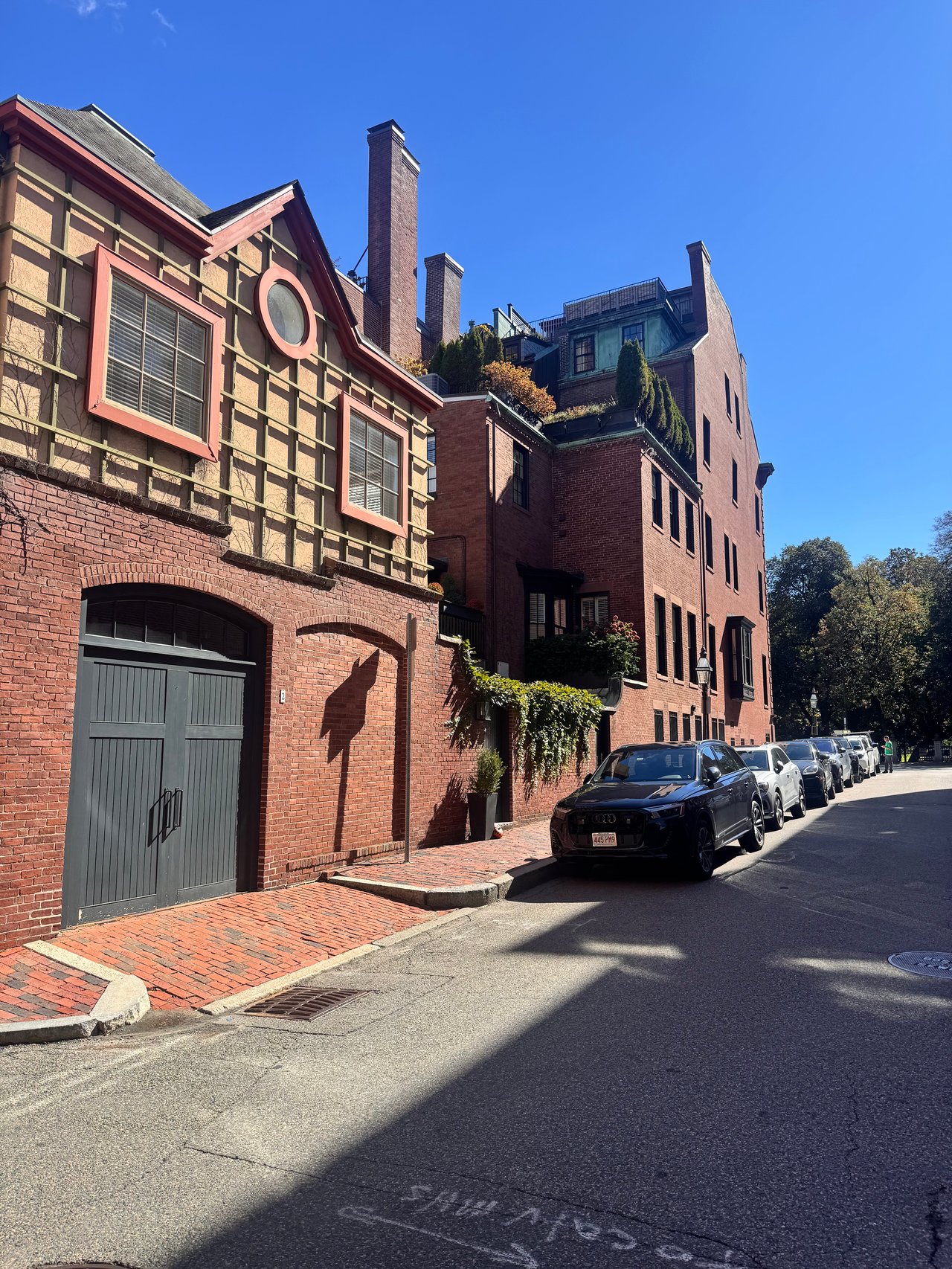
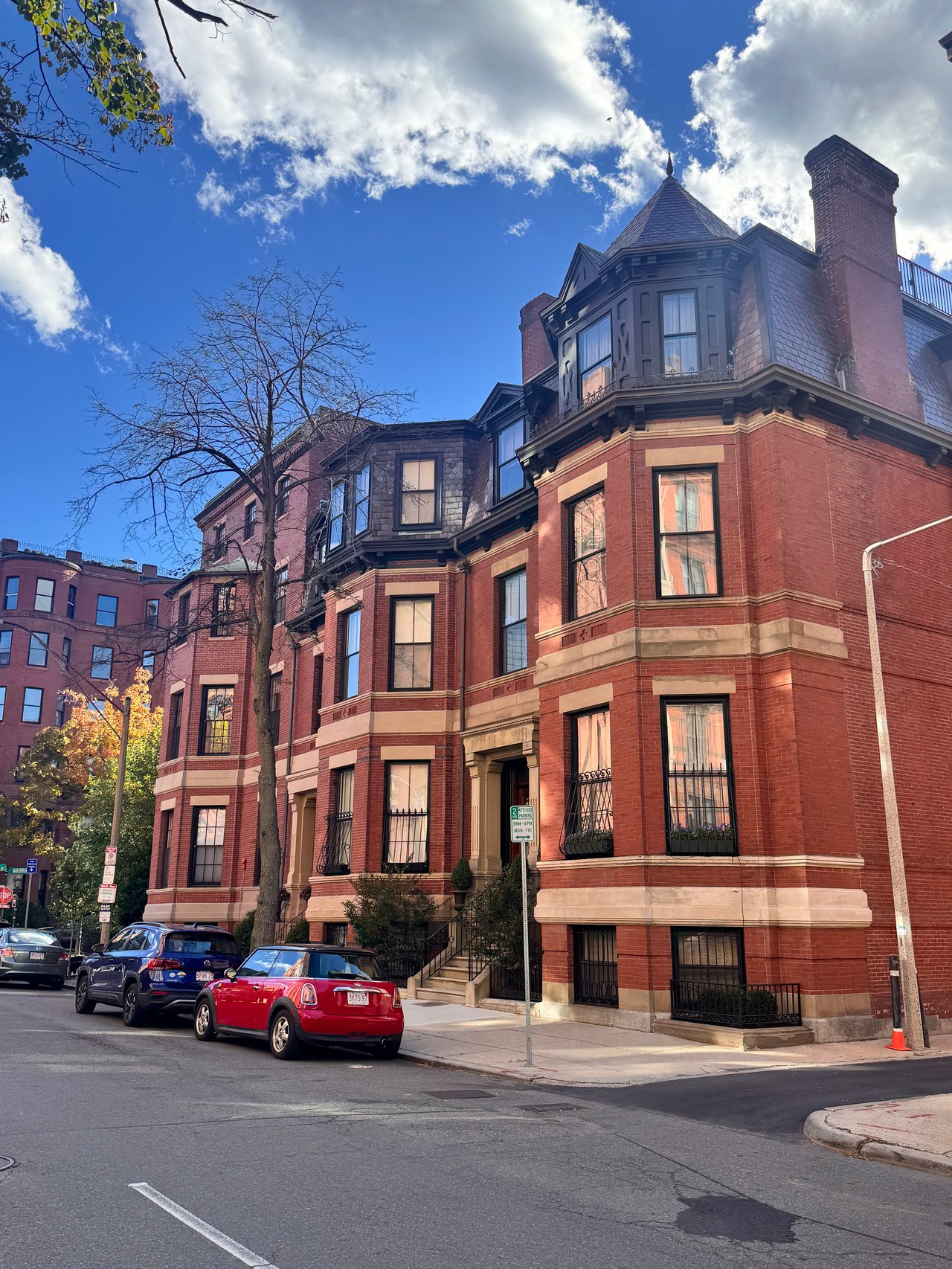
If you are picturing detached homes with private driveways, Back Bay will likely feel very different. Boston Planning describes the neighborhood’s residential streets as Victorian row-house blocks with brick sidewalks, and that historic character is one of the area’s defining features.
Many properties buyers see here are part of multi-unit historic buildings. Historic nomination material for Back Bay notes that rowhouses have generally been converted to apartment use over time, which helps explain why condos and apartments are such a large part of the local housing mix.
The 2025 profile adds more context. In Back Bay, 56.3% of occupied homes are studios or one-bedrooms, 29.5% are two-bedrooms, and 14.1% are three-bedroom-plus homes. If you are shopping for more space, inventory may be narrower than in some other Boston neighborhoods.
Historic District Rules Matter
Back Bay’s appearance is not accidental. The neighborhood is protected by the Back Bay Architectural District, which Boston says was established in 1966 and later expanded.
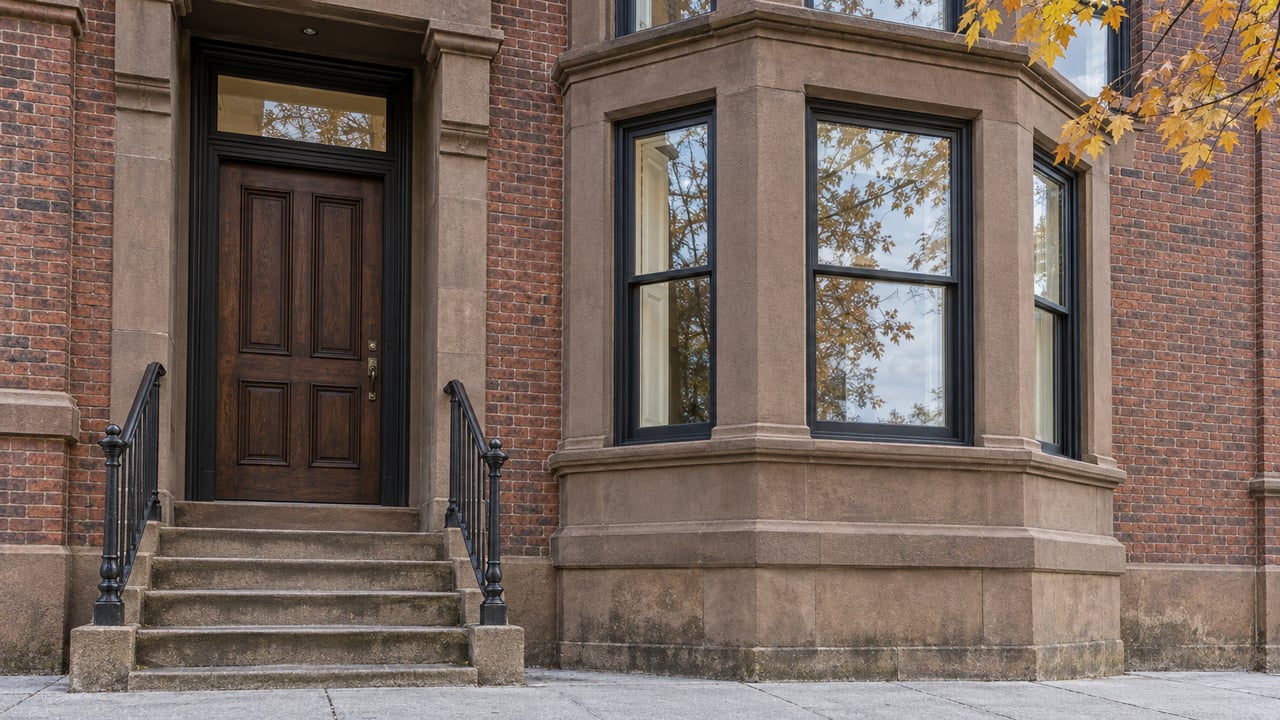
For buyers, that means exterior changes are more regulated than in newer neighborhoods. Boston’s residential guidelines emphasize preserving features like masonry, stoops, sidewalks, lighting, and open space, and visible exterior alterations often require review through the city’s preservation process.
This is important to understand before you buy. If you love the brownstone character, these rules help protect the streetscape. If you are planning major exterior changes, you will want to factor that review process into your expectations.
Choosing the Right Block for Your Lifestyle
One of the biggest advantages of Back Bay is that it offers two strong experiences in one neighborhood. You can have quick access to the energy of Newbury Street and the open-space routine of the Esplanade, often within just a few blocks.
That said, not every buyer wants the same thing. The best fit usually depends on how much day-to-day activity you want right outside your door.
Best for Buyers Who Want Energy
If you want immediate access to restaurants, shops, and weekend activity, the blocks closest to Newbury Street often make the most sense. You may feel more connected to the neighborhood’s social and commercial pulse, and your routine may revolve around walking to everything.
This setup can work especially well if you value an active street network and do not need a car for most daily tasks. It is a very urban style of living, and for the right buyer, that is exactly the appeal.
Best for Buyers Who Want Calm
If you want a quieter daily feel, the residential side streets are often a better match. Streets like Beacon, Marlborough, and Commonwealth generally shift the atmosphere away from the busiest commercial corridors while still keeping you close to them.
That balance is part of what makes Back Bay so compelling. You do not necessarily have to choose between convenience and a more composed home setting, but you do need to choose your block carefully.
Why This Area Stands Out
Back Bay near Newbury Street and the Esplanade works best for buyers who want walkability, transit access, and a routine shaped by both city energy and outdoor space. It is a neighborhood where short trips can replace long drives, and where historic residential blocks sit just steps from major retail and recreation.
The tradeoffs are real. Event-day crowds, parking pressure, and historic district rules come with the territory. But for many buyers, those tradeoffs are part of what makes this area feel distinctly Boston.
If you are weighing different blocks, buildings, or property types in Back Bay, working with a team that understands the neighborhood at street level can make the search much clearer. The Steph Crawford Group can help you evaluate where your lifestyle, budget, and goals line up best in this part of Boston.
FAQs
What is it like living near Newbury Street in Back Bay?
- Living near Newbury Street usually means easy access to shops, restaurants, salons, and galleries, with a livelier feel on weekends and during Open Newbury events.
What is it like living near the Esplanade in Back Bay?
- Living near the Esplanade gives you quick access to riverfront walking paths, biking routes, recreation areas, and seasonal events along the Charles River.
Are Back Bay homes near Newbury and the Esplanade usually condos?
- Many homes in this part of Back Bay are in historic multi-unit buildings, and local housing data shows a large share of studios, one-bedrooms, and two-bedroom homes.
Do historic rules affect Back Bay homes?
- Yes. Back Bay is part of a local architectural district, so visible exterior changes often face stricter review than they would in newer neighborhoods.
Is Back Bay a good fit if you do not want to rely on a car?
- Back Bay is well suited to a walkable, transit-oriented lifestyle, with nearby T access and a large share of households living without a vehicle.
Which Back Bay blocks feel quieter near Newbury Street?
- Buyers who want a calmer setting often prefer the residential side streets, where the feel shifts away from the busiest commercial corridors while staying close to neighborhood amenities.