Trying to choose between a South End brownstone, loft, or newer condo? In this part of Boston, that decision shapes far more than style alone. Your day-to-day experience can look very different depending on the building type, from renovation timelines to monthly fees to how parking works. If you want to buy with more clarity and fewer surprises, this guide will help you compare the tradeoffs that matter most. Let’s dive in.
Why property type matters in South End
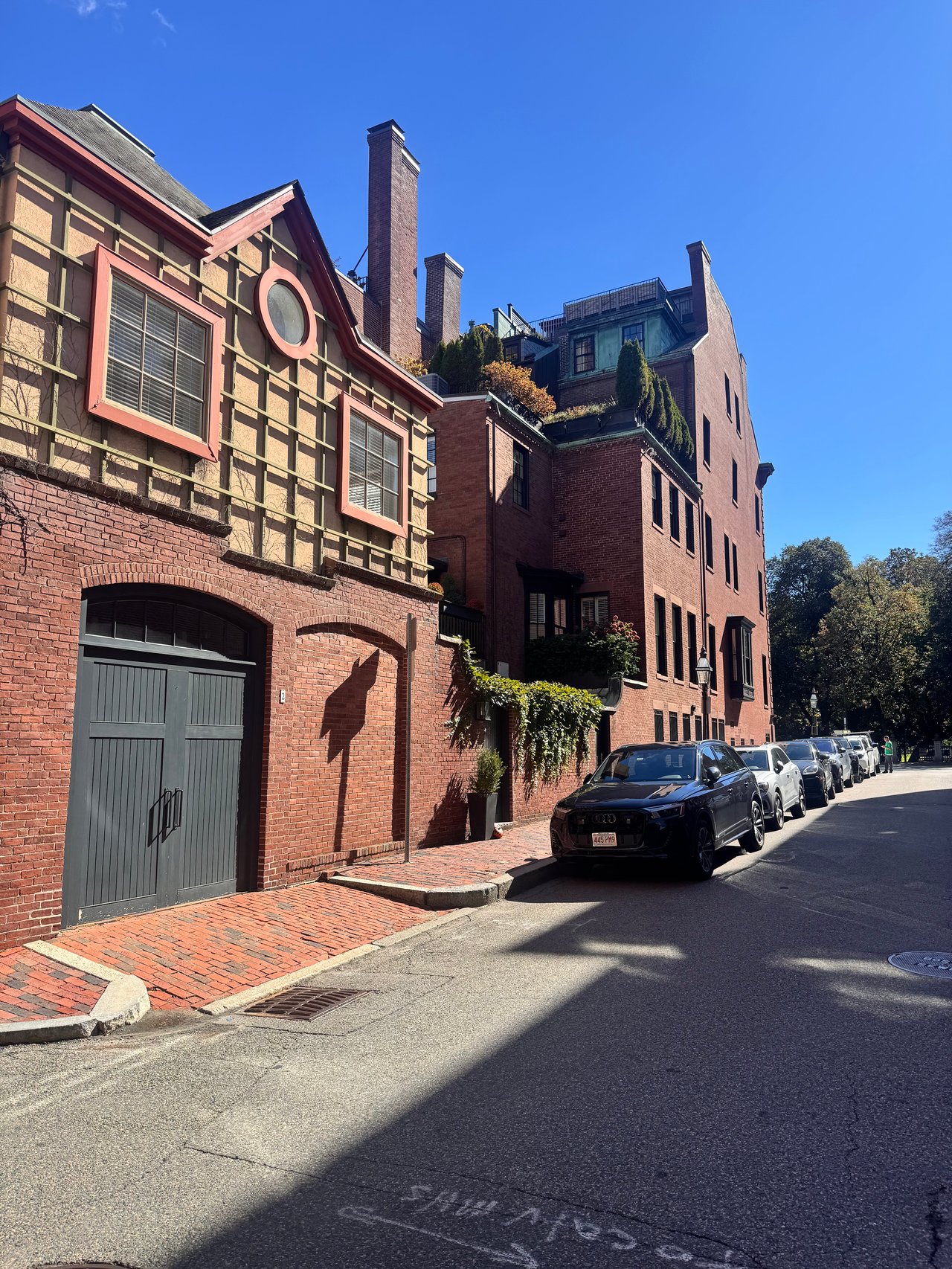
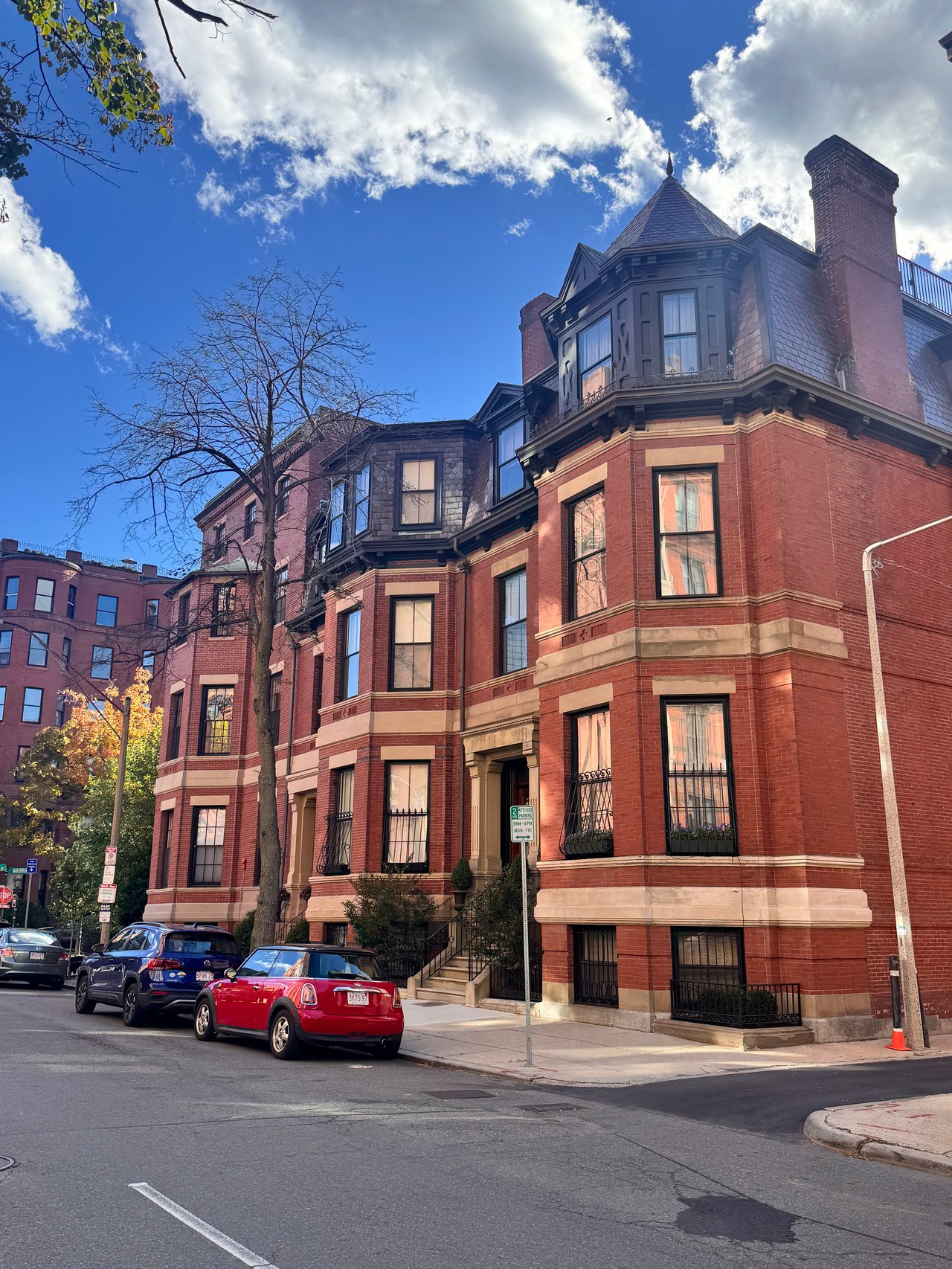
South End is not a one-note neighborhood. Boston describes it as a landmark district made up of residential blocks, parks, and major thoroughfares, along with commercial, industrial, and institutional buildings. The area developed after 1850, and it is known for its rows of Victorian homes just minutes from Downtown and Back Bay.
That mix is a big reason buyers have real choices here. You can find classic rowhouse living, industrial-style loft conversions, and newer condos with more modern systems. In South End, the right fit often comes down to how you want to live, maintain your home, and plan for future updates.
Brownstones offer classic South End character
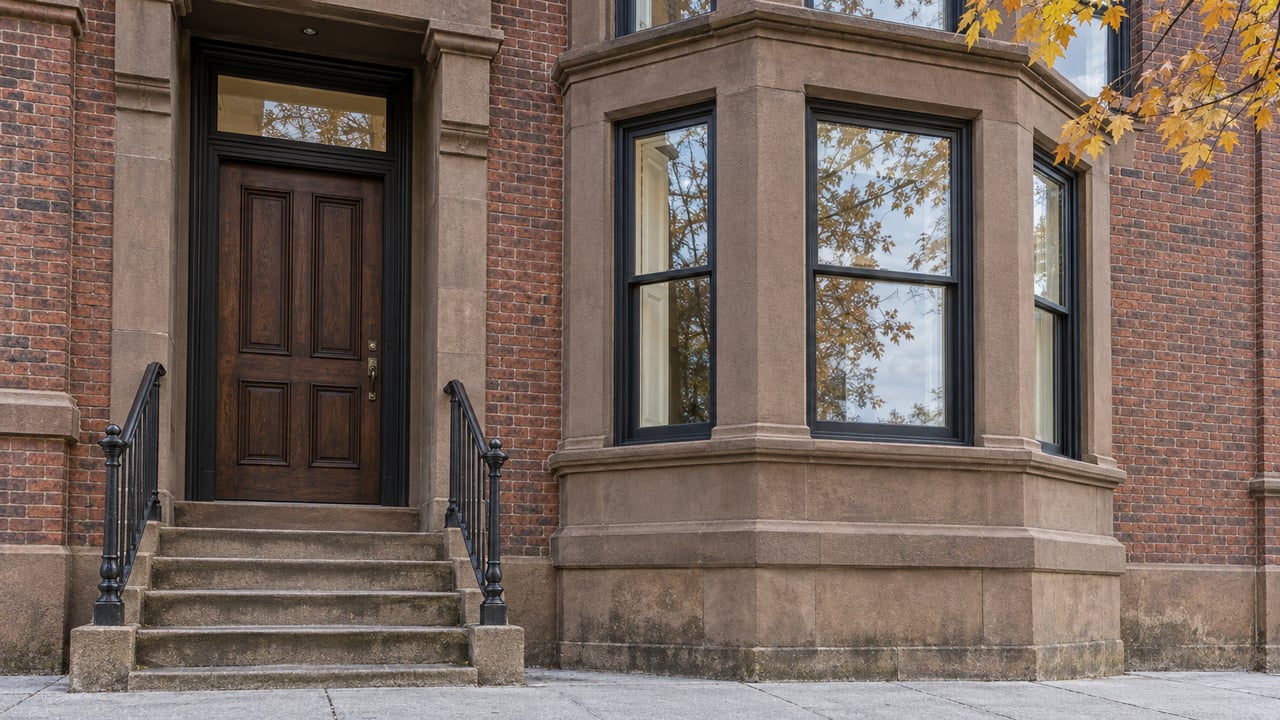
If you picture South End living as brick facades, stoops, tall windows, and historic detail, you are probably picturing a brownstone. The neighborhood’s rowhouses are central to its identity, and for many buyers, they offer the strongest sense of place. That charm is a real draw, especially if you want a home that feels deeply tied to the streetscape around it.
But historic character comes with responsibility. The South End Landmark District standards emphasize retaining and repairing original stairs, entryways, masonry, windows, rooflines, and cornices. If exterior elements need replacement, materials are generally expected to match the original appearance and texture as closely as possible.
For you as a buyer, that usually means more planning before making exterior changes. Visible rooftops, front facades, and some side or rear elevations that face a public way may be subject to review. Owners are also told not to begin exterior work until approval is confirmed.
What to expect with brownstone ownership
Brownstones can be a great fit if you value architectural detail and do not mind a more hands-on ownership experience. In many cases, the tradeoff is a slower path for exterior projects compared with a newer condo building. That can matter if you hope to tackle updates soon after closing.
Common projects that may require more time and coordination include:
- Window replacement
- Stoop repairs
- Masonry repointing
- Roof work
- Roof deck plans
- Exterior modernization
This does not make brownstones a harder choice by default. It simply means your ownership experience may involve more review, more preservation-minded decisions, and more patience around timing.
Lofts bring light and an industrial feel
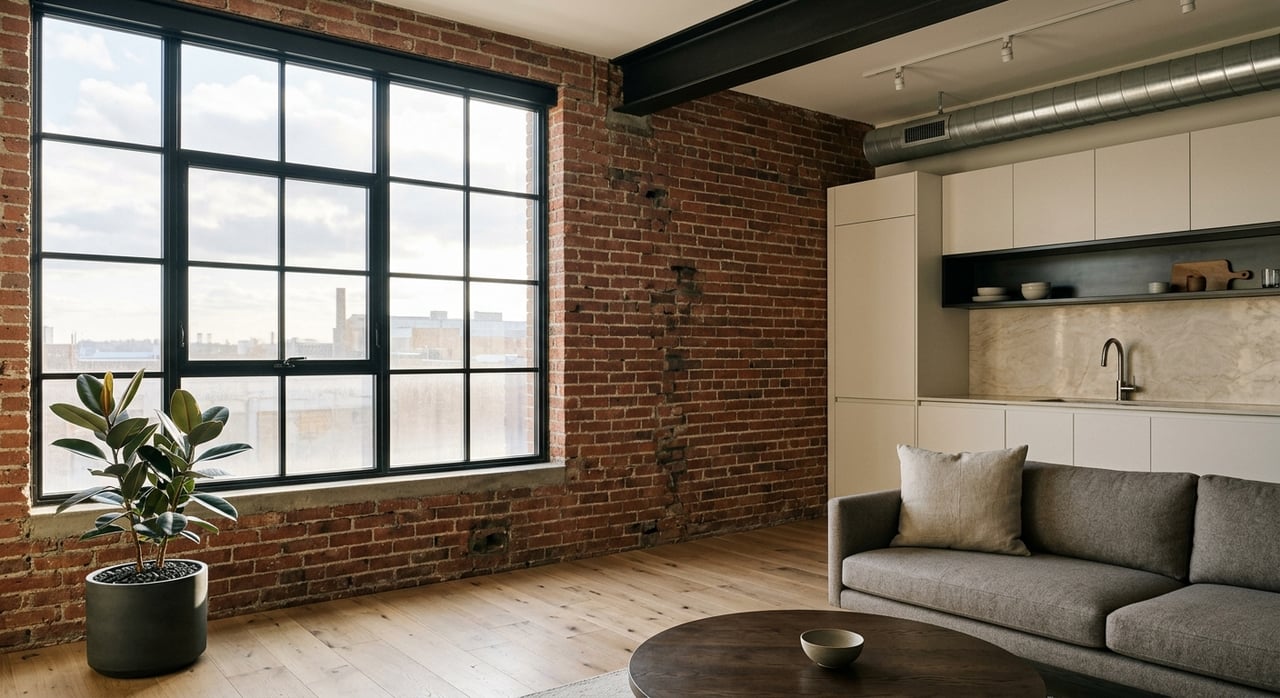
South End also includes light-industrial buildings and brick-and-timber loft buildings. If you want a home that feels more open, airy, and modern in layout, a loft may stand out right away. This property type often appeals to buyers who want large windows, flexible living space, and a less formal floor plan than a typical rowhouse conversion.
A city-listed loft-style condo at 735 Harrison Avenue reflects some of the features buyers often look for in this category, including lots of windows, central AC and heat, in-unit laundry, and elevator access in a 21-unit building. Those details help show why lofts often feel like a middle ground between a historic brownstone and a newer condo.
Lofts can offer the visual character of an older building shell with a more open interior experience. If you like exposed brick, industrial scale, or brighter living areas, this category may feel especially compelling. Still, not every conversion delivers the same quality or functionality.
Key loft questions to ask
With a loft, the finishes are only part of the story. The bigger issue is often how the building was converted and how well the older structure supports modern living. Two lofts can look similar online and feel very different once you dig into the details.
As you compare options, focus on questions like these:
- Is the building a true adaptive reuse project?
- How much of the original industrial structure remains?
- How well does the building handle sound?
- Have the mechanical systems been upgraded effectively?
- Has the HOA already addressed major capital work?
That last point matters because older building shells can still require meaningful investment over time. A loft may feel lower-maintenance than a brownstone on the surface, but building-level due diligence is still important.
Newer condos prioritize modern systems
If your top priorities are convenience, elevator access, and more predictable day-to-day maintenance, a newer condo may be the easiest fit. In South End, newer buildings are still shaped by the historic district, which means the exterior often needs to work within neighborhood standards even if the interior feels much more contemporary.
Boston’s standards allow new construction when it is compatible with the district in bulk, material, proportion, and height. Plans must be reviewed, and a building permit may not be issued before the required design approval or exemption is in place. In practice, this helps explain why some newer South End buildings blend into the historic street wall while offering more current finishes and systems inside.
A city-listed condo at 88 Wareham Street shows the kind of features buyers often compare against older homes. That property included elevator access, central heating and cooling, a common roof deck, in-unit washer and dryer, bicycle parking, and monthly condo fees covering water, trash, recycling, common-area maintenance, and common-area utilities. It did not include vehicle parking.
The tradeoffs of newer buildings
Newer condos can simplify a lot of your daily life. You may get more consistent climate control, shared amenities, and less direct responsibility for exterior maintenance. For many buyers, especially those balancing busy work schedules, that can be a major advantage.
At the same time, the monthly cost picture may be more layered. In Massachusetts, condominiums are governed through master documents, deeds, bylaws, and Chapter 183A. State guidance notes that condo fees are typically paid monthly, reserve funds help cover common-area maintenance and contingencies, and special assessments may be used for capital items beyond the budget.
That means you should compare more than just the list price. A lower-maintenance lifestyle may come with higher monthly fees, and buyers should also review reserve strength and any pending assessments.
Parking can change the equation
Parking deserves its own category because it can shift the value of all three property types. In South End, you cannot assume a parking space comes with a larger unit, a newer building, or a higher price point. The presence or absence of parking can have a real impact on your daily routine.
Boston resident parking permits provide preferential access to on-street parking spaces and do not carry a charge, but resident-only restrictions apply on many streets. In South End, parking meters are $2 per hour. During snow emergencies, several nearby garages offer discounted parking for South End residents, subject to proof of residency or a resident permit.
For some buyers, that setup feels manageable. For others, especially if you drive every day, parking may become a deciding factor between a brownstone, loft, or newer condo.
Compare the real ownership experience
The best South End purchase is usually not the one with the most appealing style at first glance. It is the one that matches how much maintenance you want to absorb, how flexible you need your layout to be, and how comfortable you are with monthly fees, approvals, and parking tradeoffs.
Here is a simple way to think about each option:
- Brownstone: Best if you want historic character and are comfortable with more exterior-maintenance sensitivity and review for changes.
- Loft: Best if you want an industrial feel, larger windows, and a more open layout, while understanding that conversion quality can vary.
- Newer condo: Best if you want modern systems, elevator access, and more predictable upkeep, while accepting condo fees and possible parking limitations.
How to choose the right fit for you
If you are still deciding, try looking at your priorities in this order: daily lifestyle, renovation plans, monthly carrying costs, and parking. That framework usually tells you more than square footage alone. A beautiful home only feels right long term if the ownership model works for you too.
In South End, buyers often benefit from comparing not just listings, but building types block by block. A research-driven approach can help you avoid overpaying for features you do not need, or underestimating the costs tied to the ones you do. If you want help weighing brownstone charm against loft flexibility or newer condo convenience, the Steph Crawford Group can help you compare the tradeoffs with clear, local guidance.
FAQs
What is the main difference between a South End brownstone and a newer condo?
- A South End brownstone usually offers stronger historic character and more exterior-maintenance sensitivity, while a newer condo often offers modern systems, shared amenities, and monthly condo fees.
What should buyers review before buying a South End loft?
- Buyers should look closely at the quality of the conversion, sound performance, mechanical upgrades, how much original structure remains, and whether the HOA has already addressed major capital work.
Do South End newer condos always include parking?
- No. Newer South End condos do not always include a parking space, so you should confirm parking details early in your search.
Are exterior renovations in South End subject to review?
- Yes. In the South End Landmark District, exterior work often requires review and approval, and owners are told not to start work until approval is confirmed.
Why do condo fees matter when buying in South End?
- Condo fees affect your monthly carrying cost, and buyers should also review reserve funds and any pending special assessments when comparing condo options.