If you want a quiet, tucked-away neighborhood in the middle of Boston, Bay Village is one of the most interesting places to consider. It offers a rare mix of historic charm, walkable city living, and a calmer feel than you might expect from such a central location. If you are weighing whether Bay Village fits your lifestyle, this guide will help you understand what daily life, housing, and tradeoffs really look like. Let’s dive in.
Bay Village at a Glance
Bay Village is a small historic neighborhood just southwest of Downtown Boston. It sits near Chinatown, Back Bay, the South End, and Downtown, which gives you quick access to some of the city’s best-known dining, shopping, and cultural areas.
The City of Boston describes Bay Village as a brick rowhouse oasis with tree-lined streets, shops, restaurants, and a low-key feel. That description captures the neighborhood well. Even though you are close to the center of the city, Bay Village often feels more intimate and residential than many nearby areas.
What Makes Bay Village Feel Different
One of Bay Village’s biggest draws is its scale. The neighborhood was built on landfill beginning in the 1820s, and its smaller footprint still shapes how it feels today.
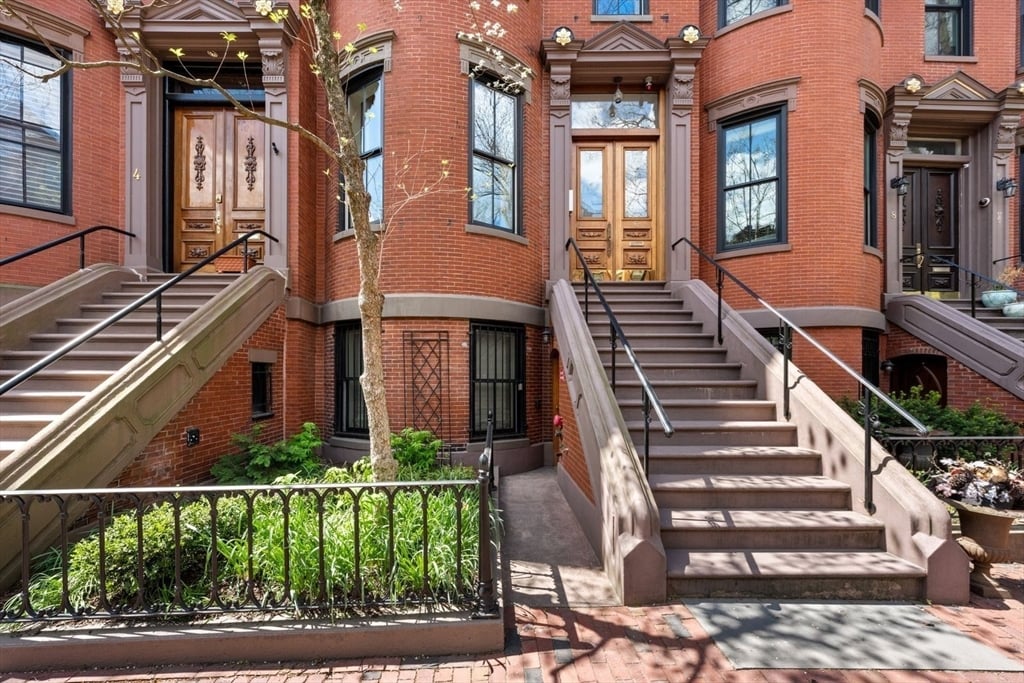
You notice that character in the narrow streets, brick sidewalks, gas street lamps, and historic facades. The overall atmosphere feels pedestrian-friendly and tucked away, which is a big part of why people are drawn to it.
Bay Village also has a layered history. Boston planning materials note that part of the city’s film industry was once based here, and some Art Deco former warehouses and studios still remain. That blend of older residential streets and former commercial buildings gives the neighborhood a distinct identity.
Bay Village Homes and Architecture
If you are home shopping in Bay Village, you should expect historic housing stock. The Bay Village Historic District was designated in 1983, and most buildings date from 1825 to 1899.
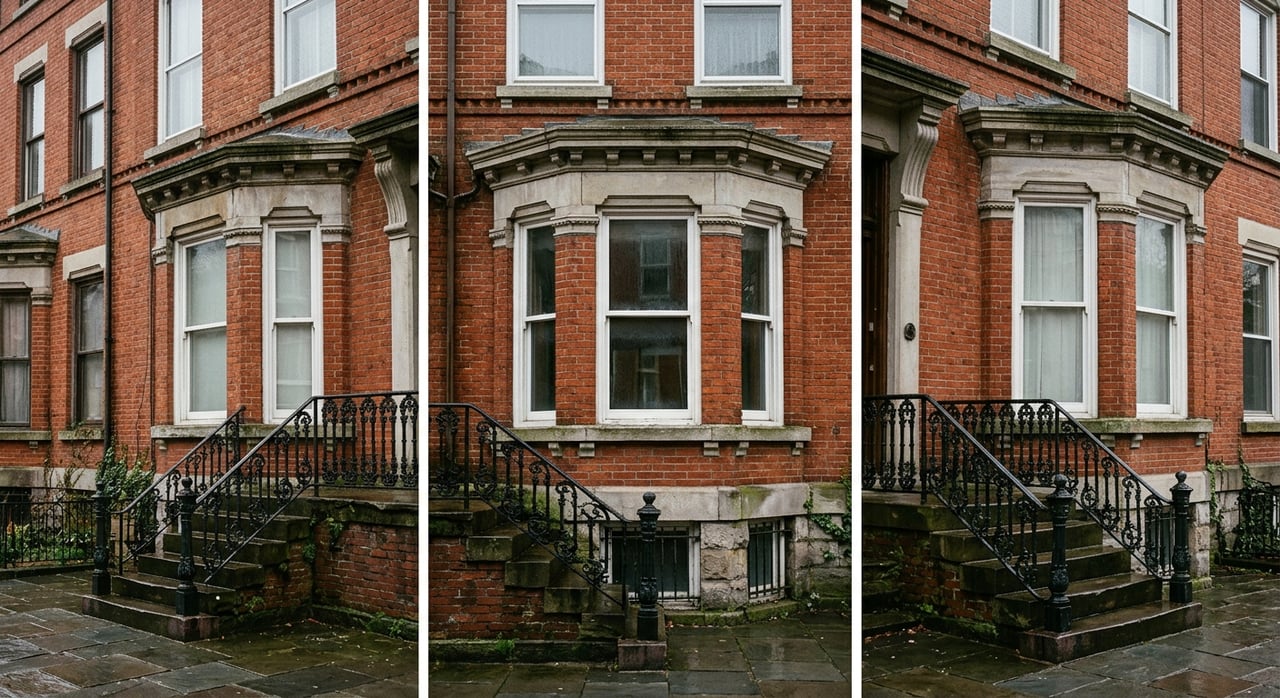
Architecturally, the neighborhood includes Federal, Greek Revival, and Victorian styles. Many buildings are red brick with granite foundations, and the homes are often compared to smaller versions of Beacon Hill townhouses.
In practical terms, Bay Village housing is usually a mix of historic rowhouses and 20th-century buildings that were later converted into condominiums. That means you may find homes with details and layouts that feel very different from newer construction.
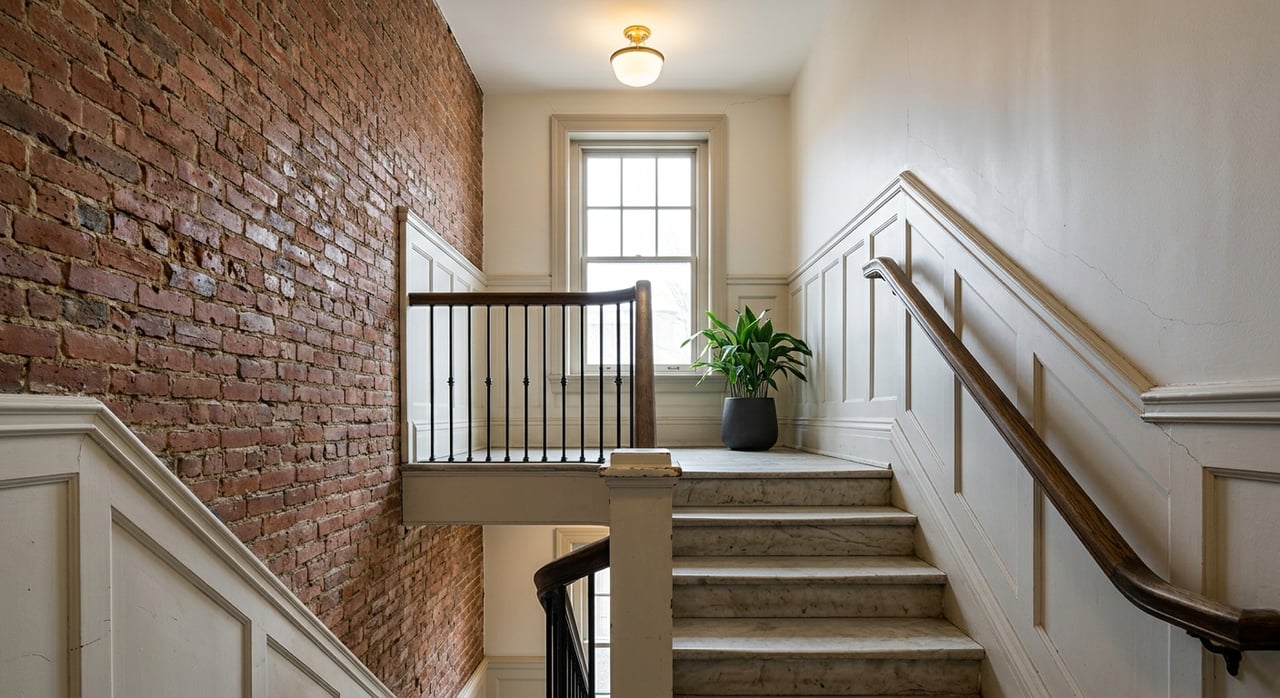
Some Bay Village homes are tall and narrow, with stairs playing a major role in the layout. Others may include features like skylights, light wells, or roof decks. In some cases, buyers have combined adjacent condos to create larger living spaces, though that is not the standard for every property.
What Daily Life Feels Like in Bay Village
Living in Bay Village is often about convenience without constant noise. You are close to Downtown, Back Bay, and the South End, but the neighborhood itself tends to feel quieter and more residential.
That balance matters if you want easy access to restaurants, theaters, and city activity without living right on a major commercial corridor. Boston Planning highlights the neighborhood’s easy walking access to surrounding parks, shops, restaurants, and theaters.
The Theater District is one of the key nearby lifestyle perks. If you enjoy performances, dining out, or meeting friends in central Boston, Bay Village puts those options within easy reach.
You also have access to nearby green space. The City highlights Eliot Norton Park within the neighborhood, and the Public Garden is another important nearby amenity. The Public Garden, located at 4 Charles Street in Downtown, is known for meandering paths, fountains, monuments, the Lagoon, and Swan Boats.
Walkability and Getting Around
Bay Village is especially appealing if you like to get around on foot. The neighborhood’s narrow streets and pedestrian scale make walking a central part of daily life.
Boston Planning specifically points to easy walking access to Downtown, Back Bay, and the South End. For many residents, that means errands, dinner plans, and entertainment can all be part of a walkable routine.
Transit access is close by, though not inside the neighborhood itself. Bay Village does not have MBTA stops within its own boundaries, but nearby stations include Arlington and Boylston on the Green Line, plus Back Bay and Tufts Medical Center on the Orange Line.
That setup creates a practical middle ground. You can live in a very central area while relying on a mix of walking and nearby rapid transit.
Bay Village Buyer Tradeoffs to Know
Every neighborhood has tradeoffs, and Bay Village is no exception. The biggest ones here are limited inventory, older buildings, and historic district rules.
Housing supply is low, which can make buying in Bay Village competitive. If you fall in love with the neighborhood, you may need patience and a clear plan when the right property comes to market.
Older buildings also come with older-building realities. Layouts may be less conventional, stairs may be a bigger factor, and the condition of systems or common areas can vary from property to property.
Then there is the historic district review process. If you are thinking about changes to a property, it is important to understand that exterior work visible from a public way, including rooftop work, must be reviewed by the Bay Village Historic District Commission before work begins.
Renovation Rules Matter Here
For some buyers, Bay Village’s historic protections are a major plus. They help preserve the neighborhood’s architectural consistency and visual character.
For others, those same rules may feel restrictive. If you are someone who wants maximum flexibility to alter windows, rooflines, facades, or visible exterior details, Bay Village may require more planning and patience than a non-historic neighborhood.
This does not mean renovations are impossible. It simply means you should go in with realistic expectations and understand that visible exterior changes are part of a formal review process.
Who Bay Village Is a Good Fit For
Bay Village can be a strong fit if you want a quiet-in-the-middle-of-the-city lifestyle. It offers central Boston access with a softer, more tucked-away neighborhood feel.
It may especially appeal to buyers who value historic architecture, walkability, and a more intimate streetscape. If you like the idea of stepping out onto brick sidewalks and being near dining, culture, and green space, Bay Village checks a lot of boxes.
At the same time, it helps to be comfortable with older homes and limited inventory. Buyers who do best here usually appreciate charm and location enough to accept the practical realities that come with both.
What Sellers Should Know About Bay Village
If you own in Bay Village, the neighborhood’s identity can be a meaningful advantage when you go to sell. Its historic architecture, central location, and quiet character give it a distinct story that stands out in Boston.
That said, positioning matters. Buyers need help understanding not just the beauty of the property, but also how the neighborhood functions day to day, what makes the housing stock unique, and how to think about historic district considerations.
A strong listing strategy in Bay Village should highlight walkability, architectural detail, access to nearby neighborhoods, and the value of a more private residential setting in central Boston. In a low-inventory area, the right preparation and pricing strategy can make a real difference.
Why Local Guidance Helps in Bay Village
Bay Village is not a cookie-cutter neighborhood. Its homes, streets, and buyer expectations tend to be more nuanced than what you find in larger or newer parts of the city.
That is why neighborhood-level guidance matters. Whether you are buying or selling, it helps to work with a team that understands the tradeoffs, the appeal, and the practical details that shape decisions here.
If you are considering a move in Bay Village or trying to understand how your property fits into today’s Boston market, the Steph Crawford Group can help you build a clear, research-driven plan.
FAQs
What is Bay Village in Boston like for everyday living?
- Bay Village offers a quiet, historic, and walkable feel in a very central Boston location, with easy access to Downtown, Back Bay, the South End, restaurants, theaters, and nearby parks.
What types of homes are common in Bay Village Boston?
- Bay Village is known for historic rowhouses, red-brick buildings, and condominium conversions, along with some adapted former commercial and studio buildings.
Is Bay Village Boston a walkable neighborhood?
- Yes. City planning materials emphasize its pedestrian-friendly streets and easy walking access to nearby shops, dining, parks, and surrounding neighborhoods.
Are there MBTA stops in Bay Village Boston?
- There are no MBTA stops within Bay Village itself, but nearby stations include Arlington and Boylston on the Green Line and Back Bay and Tufts Medical Center on the Orange Line.
Can you renovate a home freely in Bay Village Boston?
- Not always. Exterior changes visible from a public way, including some rooftop work, must be reviewed by the Bay Village Historic District Commission before work begins.
Is Bay Village Boston a good fit for buyers who want newer homes?
- Bay Village is generally better suited to buyers who appreciate older buildings and historic character, since the neighborhood’s housing stock is largely made up of older rowhouses and condo conversions.