The two-bedroom conversion condo on a quiet block off West Broadway is the easiest sale in South Boston. Buyers want it, it shows well, and it usually goes under agreement fast. It is also the deal most likely to stall four days before closing over paperwork nobody mentioned at the open house.
That paperwork has nothing to do with the kitchen or the price. It comes down to two things: whether a small, often self-managed condo association can produce a clean certificate on time, and what the deeded parking space in the listing actually is under Massachusetts law. Both issues are specific to how South Boston's housing stock was built and how the city has managed parking here since the 1990s. Neither shows up in a listing description, and both can add real time to a closing that everyone assumed would be routine.
What's Actually for Sale Behind the Three Front Doors
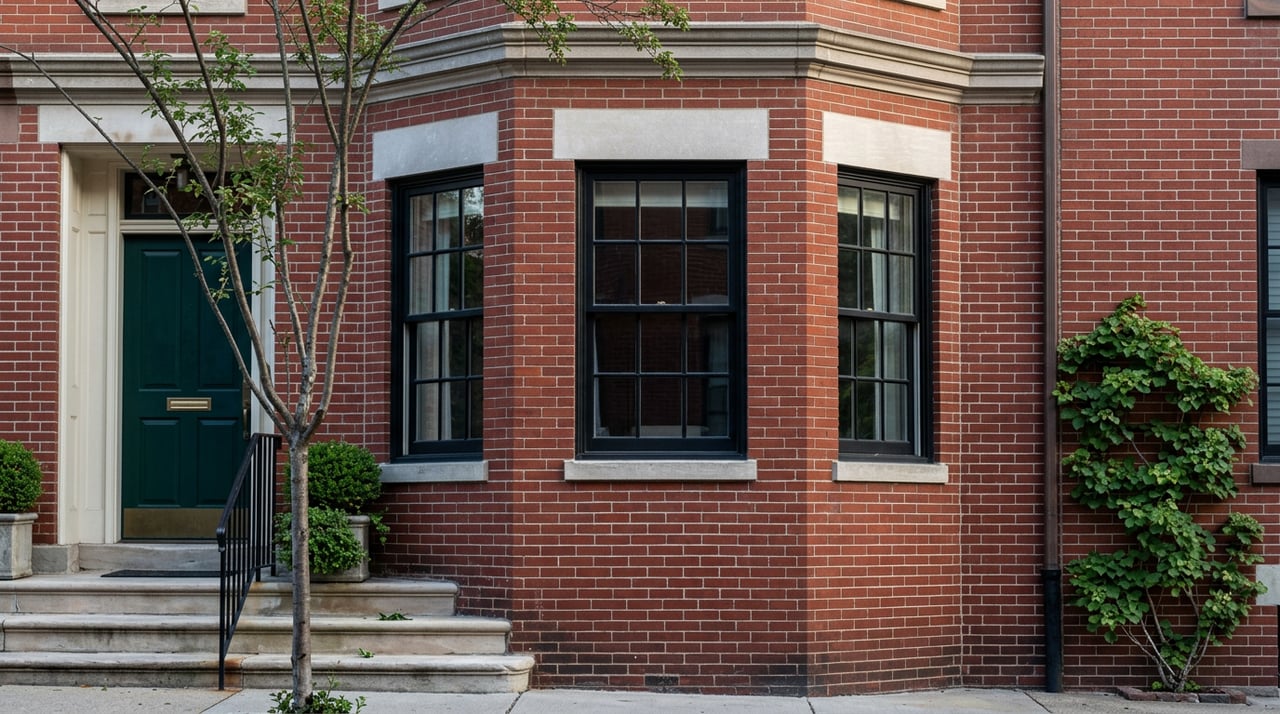
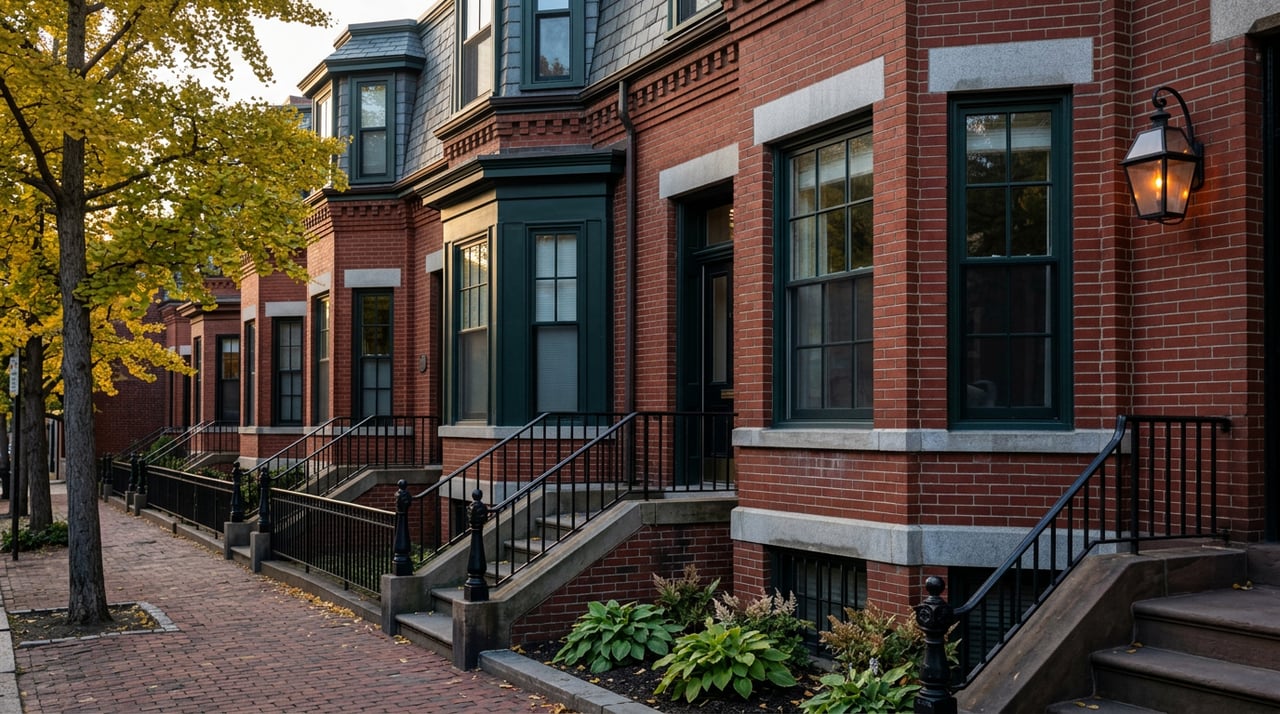
Most of the condo inventory moving in South Boston right now isn't new construction. It's triple-deckers and rowhouses that were split into two or three units, each sold separately under its own deed. As of early August 2026, South Boston listing data showed 144 active homes for sale, with condominiums making up the largest single category at 102 listings, compared to 18 single-family homes and roughly a dozen multi-family and three-family properties. Homes were averaging 45 days on market at an average price per square foot of $842.
That mix matters because a condo conversion in a three-family house is a legally different animal than a unit in a 40-unit building downtown. There's no professional management company on staff, no reserve fund large enough to absorb surprises, and often just two or three trustees who also happen to be your future neighbors. That structure is efficient day to day. It becomes the bottleneck the moment your closing date depends on paperwork moving through it.
The Certificate That Can Stall a Three-Unit Association
Every condo sale in Massachusetts requires a Section 6(d) certificate, named for its place in Massachusetts General Laws Chapter 183A. The certificate states whether the seller owes any common charges, special assessments, or fines to the association. Trustees have to sign it, and it has to be notarized before a title company or lender will accept it.
The statute requires an association to produce the certificate within 10 business days of a written request. In practice, most closing attorneys ask for it two to four weeks ahead of the closing date, because the certificate is only good for a short window, often 15 to 30 days depending on the management company, and some lenders want one dated within 10 to 14 days of closing or as of the closing date itself. In a large building with a property manager, that's a form request and a fee, usually somewhere between $100 and $300, with rush service costing more. In a self-managed three-unit trust, it means tracking down whichever trustee currently holds the checkbook, getting a notary scheduled, and hoping nobody's on vacation.
There's a reason lenders are strict about this. Under Massachusetts condominium law, up to six months of unpaid common charges can take priority over a first mortgage, a provision real estate attorneys call the super lien. That's not a small technicality. It means a lender funding your loan wants absolute certainty that no arrears are sitting quietly against the unit before they'll release money, because those arrears could legally jump ahead of their own mortgage.
A 6(d) certificate is only valid for a matter of weeks. In a self-managed three-unit association, finding the trustee currently holding the checkbook can take longer than the certificate stays current.
That's the timing trap. Request it too early and it expires before closing. Request it too late in a slow-moving association and you're rescheduling.
What a Deeded Parking Spot Actually Is in South Boston
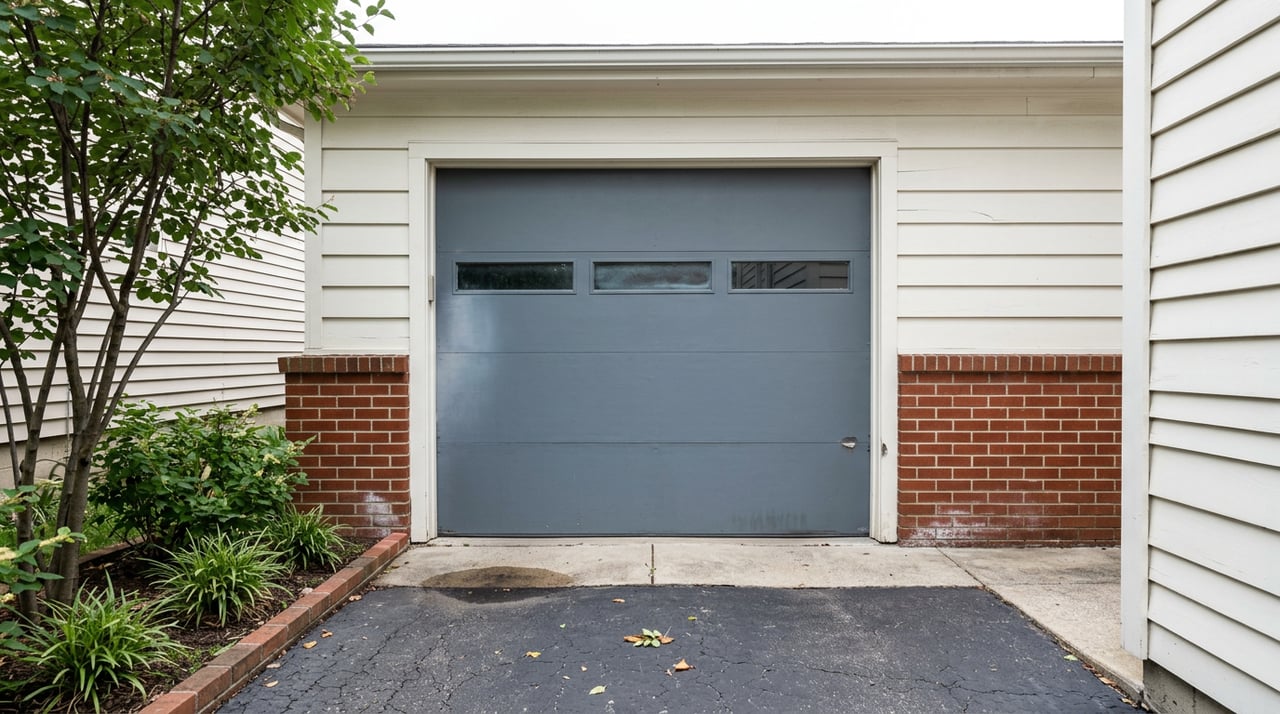
The other document worth reading closely before you write an offer is whatever describes the parking space. In South Boston, a deeded space isn't a bonus feature attached loosely to the unit. It's recorded as real property, either described in the unit deed itself, laid out in the condominium master deed and site plan, or created as its own separate parking unit at the Suffolk County Registry of Deeds. Because it's real property, a deeded space can increase the unit's assessed value and, with it, the annual property tax bill. It's worth asking your agent or attorney to confirm exactly how the city is assessing the parking component of a specific listing before you assume the space is simply included.
Converted buildings also lean heavily on tandem arrangements, where two cars share one linear stall, one parked behind the other. Tandem spots can be deeded or simply assigned through the association's rules, and that distinction affects whether the arrangement is enforceable if a future board changes its mind. Whatever the setup, the condo association's bylaws typically govern who can lease a space, how guest parking works, snow removal responsibilities, and increasingly, rules around EV charging equipment. None of that lives on the listing sheet. It lives in the association's governing documents, which is exactly why reading them before an offer, not after, is worth the extra day.
Why the City Will Never Let This Get Easier
South Boston's parking supply isn't just tight because of demand. It's capped by a state environmental rule that has been on the books since the 1990s. Under 310 CMR 7.33, the Boston Air Pollution Control Commission administers a formal South Boston Parking Freeze split into three zones.
| Zone | What's frozen | What it means for a buyer |
|---|---|---|
| Piers Zone | Off-street parking capped near its 1990s base inventory of roughly 16,600 spaces | New commercial parking facilities near the waterfront require a freeze permit, not just a building permit |
| Industrial/Commercial Zone | Off-street parking capped near a base of roughly 16,450 spaces | Similar restriction applies to new development in this zone |
| Residential Zone | New remote parking facilities are prohibited outright | Existing deeded and driveway parking in residential South Boston can't be meaningfully expanded by new development |
Separately, the city's Resident Parking Permit program, which governs on-street parking for anyone without a driveway or garage, is not currently accepting petitions to create new permit zones. The city has instead opened a waitlist through its expansion request form. Between the parking freeze on off-street capacity and a paused permit program for on-street spaces, the total pool of legal parking in South Boston isn't growing. That's the mechanism that makes a deeded space appreciate the way it does here. It's not simply convenient. It's a fixed asset in a market where the supply of legal alternatives is capped by regulation, not by builders choosing not to add more.
Before You Write the Offer
A few questions answered before you're under agreement save real time later.
- Ask the listing agent how recently the association issued a 6(d) certificate and whether the building is self-managed or professionally managed.
- Confirm in writing whether the parking space is deeded, a limited common element, or simply leased month to month, since only a deeded space is guaranteed to transfer with the unit.
- Request the master deed and site plan to see exactly how the parking is described and whether it's assessed separately for tax purposes.
- Ask for the trustee meeting minutes from the past year to check for pending special assessments that wouldn't show up on an older certificate.
- If the building is self-managed, ask your attorney to build extra time into the purchase and sale agreement for certificate turnaround.
What This Means If You're Closing This Fall
None of this changes whether a South Boston triple-decker condo is a good purchase. It changes when you should expect the paperwork to catch up with the offer. Buyers who treat the 6(d) certificate and the parking documentation as afterthoughts are the ones who end up rescheduling closings. Buyers who ask about association management and parking status during the showing, not after the home inspection, tend to close on the date they originally planned.
Sellers benefit from the same awareness. If your building is self-managed, requesting the certificate the day you list, rather than the day you get an offer, removes the single most common source of delay in a Southie condo closing.
Frequently Asked Questions
Can a seller simply skip the 6(d) certificate? No. Massachusetts law requires it for any condominium sale, and lenders will not fund a purchase without a current, clean certificate on file.
Does a leased parking space automatically come with the unit if I buy it? Not necessarily. A leased or assigned space is governed by the association's rules or a separate license agreement, and those terms may or may not transfer to a new owner. A deeded space, recorded in the deed itself, is the only arrangement guaranteed to convey with the sale.
Is the South Boston Parking Freeze the same thing as the resident permit program? No. The parking freeze is a state environmental regulation limiting off-street commercial and industrial parking capacity in specific zones. The resident permit program is a separate city system for on-street parking. Both currently limit how much new legal parking can be created in the neighborhood, which is why the two rules tend to compound for buyers evaluating parking-dependent units.
If you're weighing a triple-decker condo purchase in South Boston, or you're a self-managed association trying to get ahead of your next closing, the Steph Crawford Group works these details into every offer strategy and listing timeline. Reach out before you write the offer, not after the inspection, and we'll walk through what a specific building's documents actually say before you're under a deadline.