Parking, storage, and street noise can make or break your Bay Village condo experience. If you love the neighborhood’s charm but worry about daily logistics, you’re not alone. The good news is you can plan for most of it with the right questions and a simple checklist. In this guide, you’ll learn how parking works, where to find storage, and how to manage noise so your home life stays easy. Let’s dive in.
Bay Village at a glance
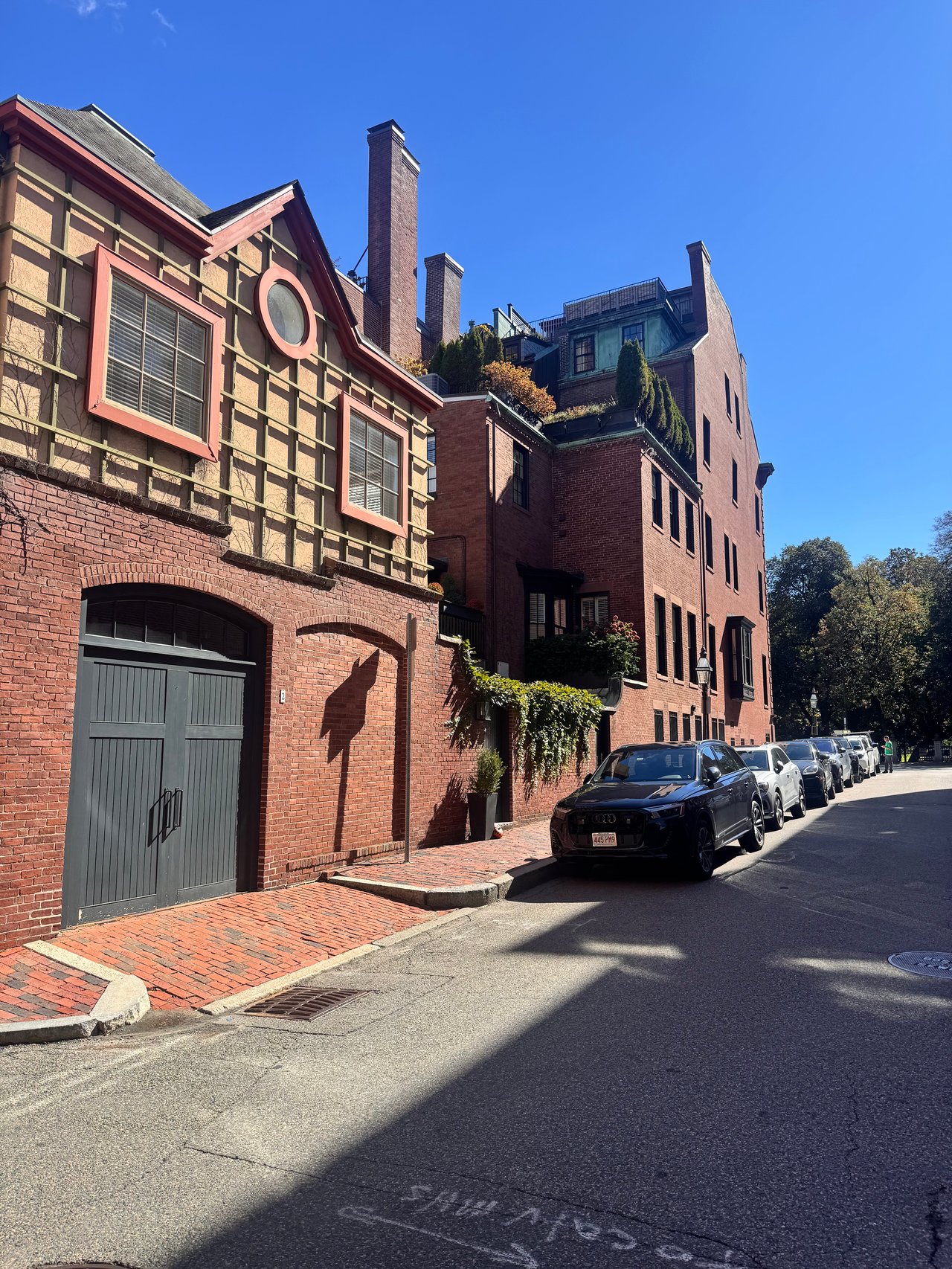
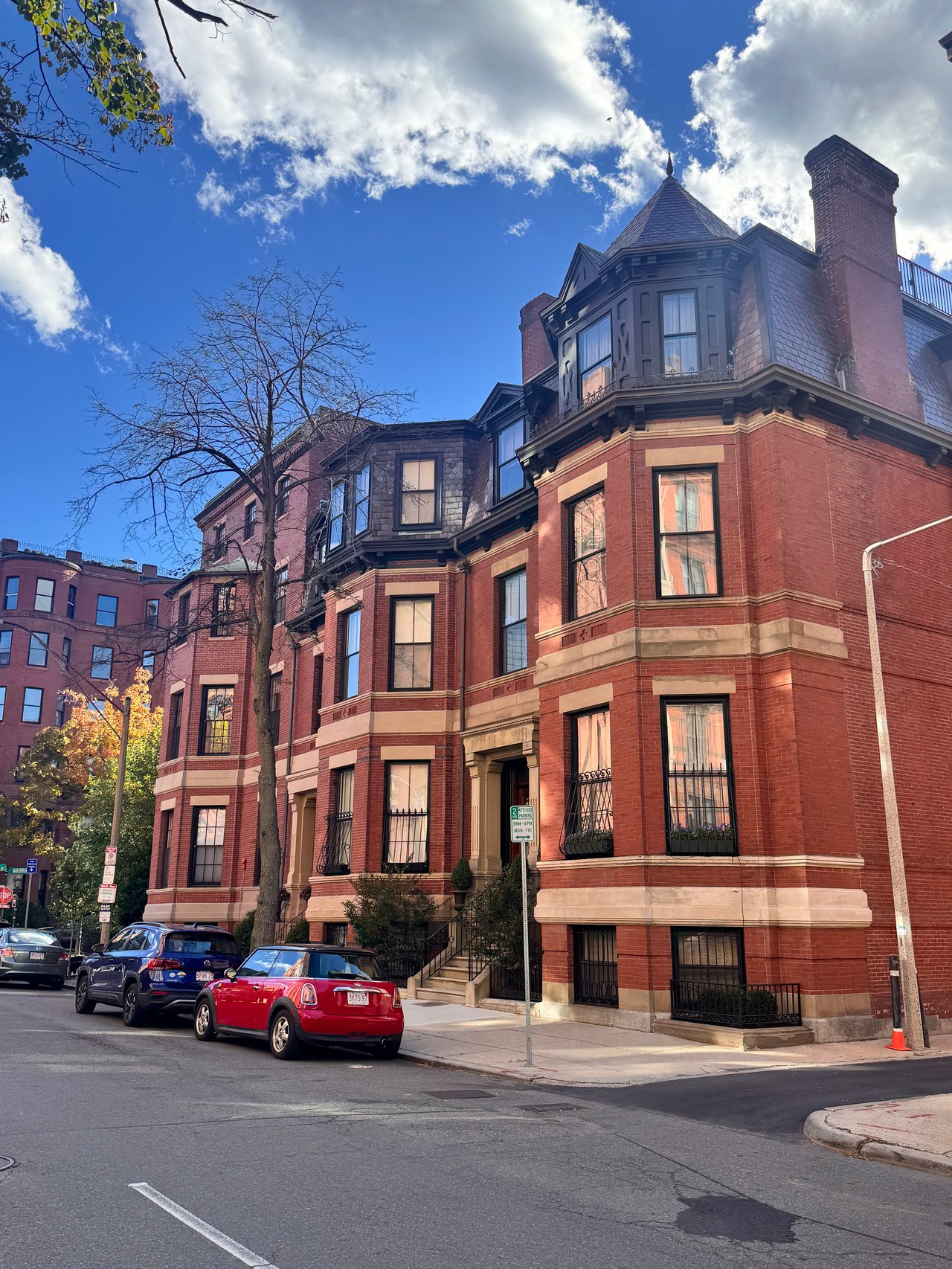
Bay Village is a small, historic neighborhood tucked between Back Bay, the South End, the Theater District, and Chinatown. Streets are narrow, buildings are often converted brownstones, and space is at a premium. These physical traits shape how parking, storage, and sound function day to day. For a neighborhood overview, see the Boston Planning & Development Agency’s Bay Village profile.
Know the rules: condo law and documents
In Massachusetts, condos follow Chapter 183A of state law. In practice, your parking, storage, and noise rights live in the condo’s master deed, bylaws, and rules. Read them before you commit. For a quick primer, visit the state’s summary of Condominium Law Chapter 183A.
Key takeaway: City rules govern streets and permits, but your condo documents control assigned spaces, basement lockers, and what you can change inside your unit.
Parking in Bay Village
On-site options you’ll see
Some buildings include garage parking, sometimes tandem or compact. Others offer a surface space or a shared lot. Many historic conversions have no on-site parking at all. In those cases, residents use on-street permits, nearby commercial garages, or transit.
Questions to ask for any listing:
- Is a parking space included? Is it deeded, assigned by the HOA, or rented separately?
- What are the dimensions, height clearance, and location? Is it tandem?
- Can the space transfer with the sale? Are there separate fees or assessments?
- Any limits on vehicle type or EV charging rules?
On-street permits and guest parking
Boston’s resident permit program is address based and handled by the Boston Transportation Department. Confirm your eligibility and rules for your block through the city’s residential parking permits. Guest options are limited and vary by area, so ask your HOA and review local signage closely.
Moving trucks and deliveries
Narrow streets and active enforcement mean you should plan ahead. For move days or large deliveries, reserve curb space by applying for temporary no-parking signs. This reduces the chance of tickets or towing and makes the day smoother.
EV charging basics
Many older buildings do not have EV chargers. Adding one usually requires HOA approval, potential cost sharing, and a technical plan. City and utility incentives change over time, so check current programs before you invest.
Parking checklist
- Get written confirmation of whether parking is included, deeded, or leased.
- Measure the space and test fit for your vehicle.
- Confirm transferability, fees, and any insurance requirements.
- Ask about guest policies, waitlists, and contractor parking rules.
- Review moving-day permit procedures and delivery/loading logistics.
Smart negotiation tips
- Sellers: State clearly if parking is included, including space number and deed reference.
- Buyers: If no parking is offered, consider negotiating a credit toward nearby garage fees or a commitment to transfer an existing leased space if possible.
Storage solutions for city living
Typical setups in Bay Village
Historic buildings often offer modest in-unit storage. Many use basement lockers or storage cages in a shared area, and sizes vary. Some condos have no on-site storage, so residents mix smart in-unit solutions with off-site storage.
What condo documents say
Your master deed and rules will clarify whether a locker is part of the unit, assigned to the unit, or rented separately. You may also see rules on cleanliness, access, and insurance for shared storage rooms.
Off-site storage options
Central Boston has multiple commercial storage providers. Prices and sizes change often, so use comparison tools like SpareFoot and the Self Storage Association’s SelfStorage.org to review current availability. Choose climate control for items sensitive to humidity or temperature.
Insurance and liability
HOA master insurance typically covers common areas, not your personal items. Your HO-6 policy may have limits for off-site storage and high-value items. Call your insurer before storing valuables.
Elevator and stair limits
Older buildings may have small elevators and narrow staircases. Check move-in rules, elevator reservations, and whether protective pads or fees are required. Measure clearances so your largest pieces fit.
In-unit space savers
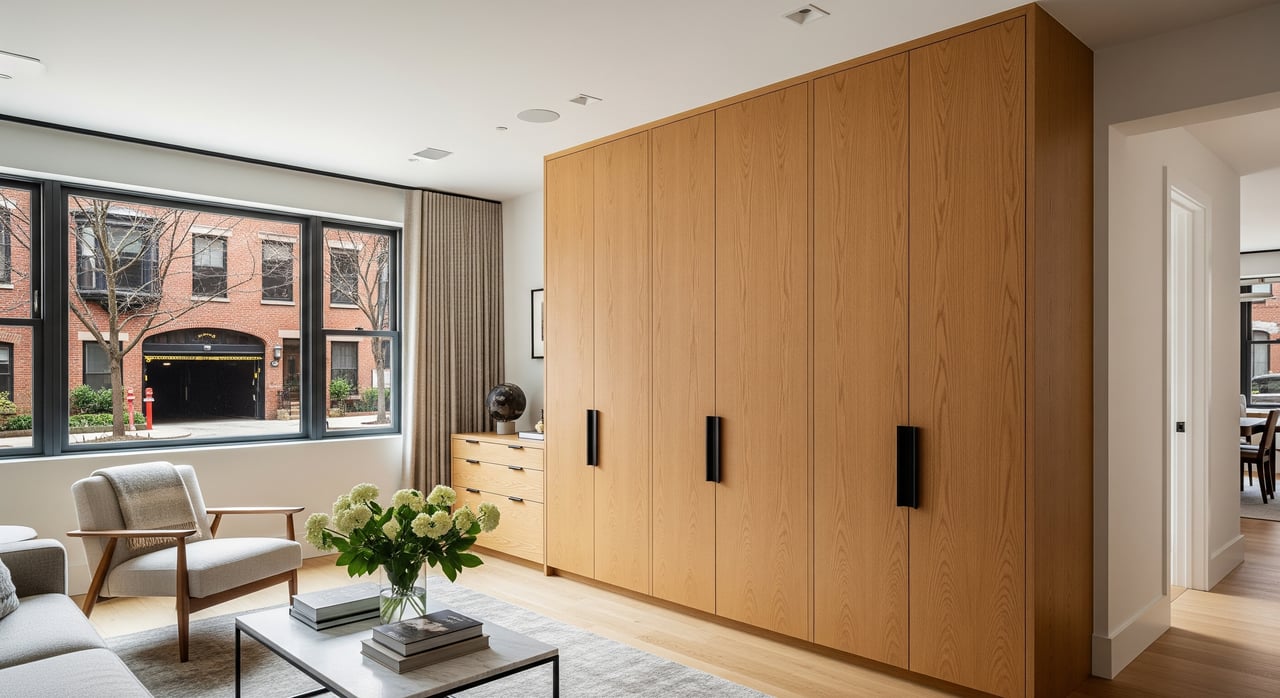
Consider built-in shelving, closet systems, vertical organizers, under-bed drawers, and storage furniture. Simple upgrades can free up space without major renovations.
Storage checklist
- Ask for the building’s storage inventory, locker sizes, and assignment rules.
- Confirm locker transferability at sale and any fees.
- Identify bike storage, seasonal storage, and any waitlists.
- Measure elevator and stair clearances for big items.
- Ask about bulky-item disposal policies for move-out turnover.
Negotiation ideas
- Sellers: List the locker number, location, and size in your marketing.
- Buyers: If storage is limited, request a seller credit for off-site storage for the first year.
Noise: what to expect and how to reduce it
Common noise sources
Bay Village is central and lively. You may hear nightlife crowds, nearby theaters, deliveries, construction, traffic, and occasional sirens. Inside buildings, stairwells, shared walls, and garage fans can add to ambient noise.
City rules and HOA enforcement
The City of Boston handles noise complaints through Inspectional Services and the Office of Neighborhood Services. Learn how to document and file a complaint from the city’s noise information. Your condo rules may also set quiet hours and processes for addressing neighbor disputes.
Test before you buy
Visit at different times: weekday mornings, evenings, and weekend nights. Ask the HOA about past noise complaints and whether improvements have been made, such as window upgrades or HVAC silencers.
Building-level fixes
- Upgrade exterior windows and doors to sound-rated models with HOA approval.
- Add weather-stripping and acoustic seals around doors.
- Improve shared areas by insulating pipes, damping garage vibrations, and adding acoustic treatments in corridors.
- Enforce quiet-hour policies consistently.
In-unit quick wins
- Use thick rugs, heavy curtains, bookcases on shared walls, and door sweeps.
- Seal small gaps with acoustic caulk.
- Try white-noise machines for intermittent street sounds at night.
- If issues persist, document dates and times and follow HOA procedures. In some cases, city enforcement is appropriate.
Noise checklist
- Review HOA records for complaints and quiet-hour rules.
- Inspect windows and doors for age and quality.
- Ask about mechanical equipment locations and maintenance.
- Schedule visits at multiple times and talk with neighbors when possible.
Your next steps
- Request condo documents early and scan for parking, storage, and noise rules.
- Verify parking and storage in writing, including dimensions and locations.
- Visit the property at different times to gauge ambient noise.
- Confirm move-in procedures, elevator reservations, and any required permits.
- Put any agreements about parking, storage, or improvements in the purchase contract.
If you want a smooth Bay Village experience, a little planning goes a long way. For tailored guidance and a clear strategy to buy or sell with confidence, connect with the Steph Crawford Group. Our team combines hyperlocal insight with a structured process so you get the outcome you want.
FAQs
How Bay Village condo parking usually works
- Many buildings offer deeded, assigned, or no on-site parking; confirm details in the condo documents and use Boston’s resident parking permit program if you rely on street parking.
How to verify if a parking space is included in a sale
- Ask for the master deed and unit deed, check the parking allocation schedule, and request written confirmation from the HOA about assignment and transferability.
What to know about storage lockers in historic buildings
- Confirm with the HOA whether lockers are deeded, assigned, or rented, and ask for the specific locker number, size, and transfer rules at sale.
How to assess street noise before buying in Bay Village
- Visit at different times, look for nearby nightlife or early deliveries, and ask the HOA for any history of noise complaints or building upgrades like window replacements.
Who handles noise complaints in Boston condos
- The City of Boston’s Inspectional Services manages municipal noise complaints, while your HOA enforces quiet-hour rules; start with HOA procedures, then see the city’s noise guidance if needed.
Where to compare off-site storage near Bay Village
- Use marketplace tools like SpareFoot and the Self Storage Association’s SelfStorage.org to review current unit sizes, features, and availability.
What to expect for transit if you skip car ownership
- Bay Village is walkable to multiple MBTA options; explore routes and stations using the MBTA system maps.
How to reserve curb space for a move in Bay Village
- Apply for temporary no-parking signs to set up a short-term loading zone and reduce the risk of tickets or towing during your move.