Thinking about selling your Beacon Hill home? You are navigating one of Boston’s most historic neighborhoods, where charm, scarcity, and strict exterior rules all shape buyer expectations. You deserve a clear plan that respects your home’s character and delivers a smooth sale. In this guide, you will see a six-step process tailored to Beacon Hill so you can price with confidence, prepare the right way, attract qualified buyers, negotiate strong terms, and close without surprises. Let’s dive in.
Step 1: Plan and value with precision
Beacon Hill is a micro-market. A condo on one side of the street can perform differently than a brownstone a few doors away. Start with a comparative market analysis that separates condos, co-ops, and single-family brownstones, and weighs floor level, outdoor space, and block-level comps.
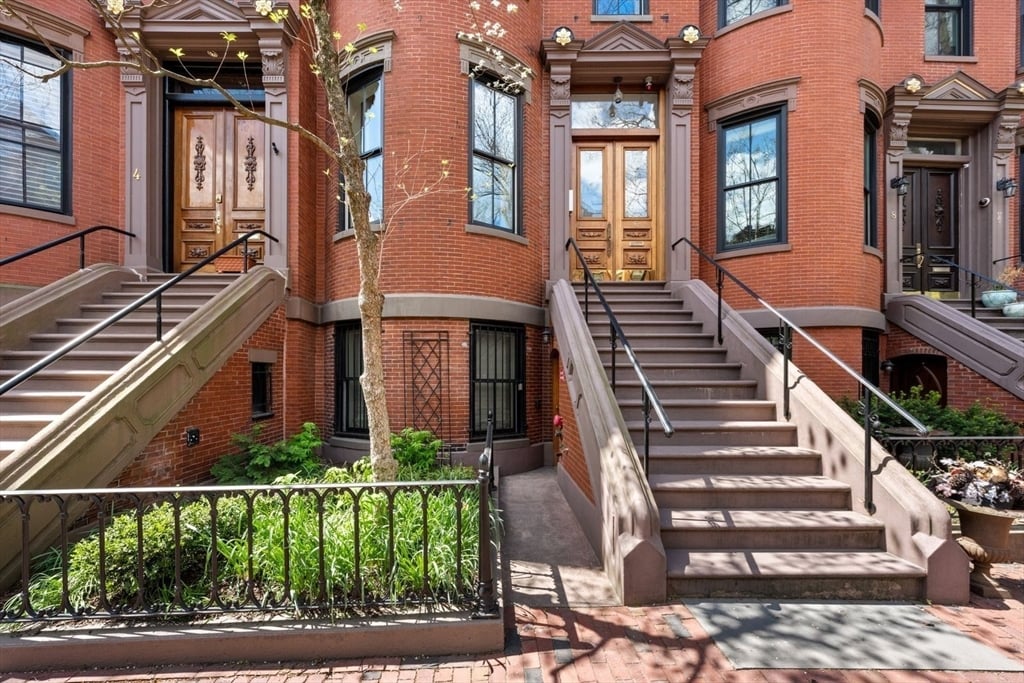
Confirm your property’s historic status early. Beacon Hill is a designated architectural district, and exterior changes often require review by the city’s commission. You can learn how design review works through the City’s Beacon Hill Architectural Commission guidelines. For broader historic context, the National Park Service’s Beacon Hill listing underscores the neighborhood’s protected character.
A solid pre-list plan also reduces risk. Order a preliminary title search through the Suffolk County Registry of Deeds to surface any liens, easements, or encumbrances. Decide if a pre-listing inspection makes sense, especially for older systems like roof, chimney, and boiler. Pull your utility and tax history so you can answer buyer questions and plan for prorations.
Checklist for Step 1:
- Request a like-for-like CMA by property type and block.
- Verify historic district status and any past approvals.
- Order a preliminary title search.
- Consider a pre-listing inspection focused on structure and systems.
- Gather tax, utility, and assessment information.
Step 2: Prepare, repair, and stage for Beacon Hill buyers
Your goal is to balance historic charm with safety and function. Preserve period details like mantels, moldings, and original floors. Address known issues that tend to concern buyers, such as aging wiring or chimney integrity. If you plan any exterior work, coordinate timing around review requirements outlined by the Boston Landmarks Commission.
If your home was built before 1978, federal law requires specific lead disclosures for buyers. Review the EPA’s guidance on lead-based paint disclosure rules and be ready to provide any known information about lead hazards.
Staging is critical in historic homes with unique layouts. Use light colors, low-profile furniture, and careful placement to make narrow rooms feel larger. Always provide an accurate floor plan and square footage. Professional photography and a virtual tour help buyers understand multi-level flow and reduce unnecessary showings.
Checklist for Step 2:
- Preserve distinctive period details while ensuring code compliance.
- Service or repair mechanicals and address safety items.
- Confirm if any exterior work needs commission approval.
- Complete pre-list touch-ups and deep cleaning.
- Book pro photography, a measured floor plan, and a virtual tour.
Step 3: Price and time the market
Beacon Hill’s low inventory and strong demand can shift quickly by price tier and condition. Price your home for the specific sub-market, considering floor level for condos, outdoor space, and renovation quality. Overpricing in a small, high-attention market can stall momentum.
Plan pricing bands with your agent, including an aggressive, market, and conservative option. Build in decision points for adjustments based on early traffic and feedback. Seasonality matters, with spring often more active, and cycles tied to hospitals and universities. Your agent should reference current MLS data and recent reports from local associations to align timing.
Checklist for Step 3:
- Set a pricing band with clear decision triggers.
- Align timing with local demand cycles and your move date.
- Decide on showing format and whether you will relocate during market launch.
- Weigh targeted repairs versus an as-is strategy if issues exist.
Step 4: Market and show strategically
Beacon Hill buyers often start online, so your first impression must be exceptional. Lead with high-end photos, a 3D tour, and an accurate, easy-to-read floor plan. Target marketing across digital channels to reach local professionals and out-of-town or international buyers. Broker previews can help engage agents with qualified clients who value historic properties.
Open houses require careful planning given narrow sidewalks and limited parking. Coordinate with neighbors and, for multi-unit buildings, confirm association rules for showings and lockbox access. If tenant-occupied, follow notice requirements and plan appointment windows that respect privacy.
Make sure your listing highlights daily life. Emphasize walkability, access to Boston Common and the Esplanade, nearby restaurants and cultural venues, and proximity to major hospitals and universities. Provide practical details like storage solutions, mechanical updates, and any association amenities.
Checklist for Step 4:
- Launch with pro photos, 3D tour, and floor plan.
- Leverage targeted digital ads and broker outreach.
- Set open house logistics and building rules in advance.
- Prepare for tenant or occupant notice, cleaning, and decluttering.
- Spotlight location, lifestyle, and key upgrades.
Step 5: Negotiate and evaluate offers
Expect standard Massachusetts contingencies such as financing, inspection, appraisal, and, for condos or co-ops, association document review. In multiple-offer situations, decide in advance how you will weigh price, financing strength, timelines, and any nonrefundable deposits.
For historic homes, buyers may propose credits or specific repair requests that fit preservation standards. Clarify how you will handle items tied to shared walls, easements, or party-wall agreements, which are common in multi-unit and rowhouse settings. In Massachusetts, it is common for attorneys to review contracts and support negotiations, while title companies coordinate closing logistics.
Checklist for Step 5:
- Use an offer comparison sheet to weigh net value and risk.
- Prepare a strategy for escalation clauses and timelines.
- Anticipate historic-appropriate repairs or credits.
- Coordinate with your attorney on terms and contingencies.
Step 6: Close with confidence
Create a tight closing checklist. You will clear payoffs or liens, settle prorated taxes and utilities, and deliver all required documents. For condos or co-ops, gather bylaws, financials, meeting minutes, and the association estoppel letter early, since these can take time.
Your title and deed will be recorded through the Suffolk County Registry of Deeds. Massachusetts also requires compliance with smoke and carbon monoxide detector rules. You can review state guidance on smoke and CO detector requirements to prepare for inspections.
After closing, transfer utilities, cancel or transfer insurance, record final meter reads, and keep all paperwork for your tax files. If you qualify, the federal home sale exclusion may reduce your taxable gain on a primary residence. Review the IRS overview in Publication 523: Selling Your Home and consult your CPA for personal guidance.
Checklist for Step 6:
- Confirm payoffs, prorations, and closing fees.
- Compile condo or co-op documents and estoppel letter.
- Schedule smoke and CO compliance checks.
- Plan for the final walk-through, keys, and move-out.
- Transfer utilities and retain all records for taxes.
What makes Beacon Hill homes sell
Buyers here look for historic character, a walkable lifestyle, and proximity to the best of Boston. Your marketing should spotlight period details, thoughtful updates, and any outdoor or roof access. For condos and co-ops, be clear about fees, what they cover, and any upcoming assessments. For brownstones, showcase floor-by-floor flow and storage.
Accuracy and clarity win trust. Give buyers a precise floor plan, room dimensions, recent service records for mechanicals, and a realistic picture of any exterior rules that apply. A transparent approach helps you attract serious buyers and achieve stronger terms.
Your next step
If you want a predictable path from list to close, put a proven process to work. The Steph Crawford Group’s six-step seller program is built for Beacon Hill’s historic context and today’s buyer expectations. If you are ready to sell or want to test the market, connect with the Steph Crawford Group to get your questions answered and Get Your Home’s Value.
FAQs
How long does it take to sell a Beacon Hill home?
- Timelines vary by price, property type, and condition. Beacon Hill often moves quickly due to limited inventory, but you should use the latest MLS data to set expectations.
Do I need major repairs before listing in Beacon Hill?
- Not always. A pre-listing inspection can flag high-impact items like structure, roof, and mechanicals. Many sellers focus on safety, code compliance, and staging to drive value.
What disclosures apply to older Beacon Hill properties?
- For homes built before 1978, you must provide federal lead-based paint disclosures and known information about hazards. Disclose known material defects and follow state smoke and CO rules.
How should I price my Beacon Hill condo or brownstone?
- Use a like-for-like CMA that accounts for property type, floor level, layout, outdoor space, and block-level comps. Set a pricing band with clear triggers for adjustments.
What costs do Massachusetts sellers typically pay?
- Expect agent commissions, title and closing fees, payoff of mortgages or liens, and prorated taxes and utilities. Condos or co-ops also require association documents and an estoppel letter.
Do historic rules hurt my sale price?
- Not necessarily. Many buyers value protected character. Clear marketing that highlights preserved features and explains exterior rules helps you attract the right buyer pool.