Thinking about selling your Beacon Hill brownstone or condo but unsure where to set the price? You are not alone. Beacon Hill rewards properties with authentic character, smart updates, and the right micro-location, yet its historic rules and one-of-a-kind features make pricing anything but simple. In this guide, you will learn what truly moves value, how a Beacon Hill CMA is built, and which pre-list steps help you launch with confidence. Let’s dive in.
Why Beacon Hill pricing is unique
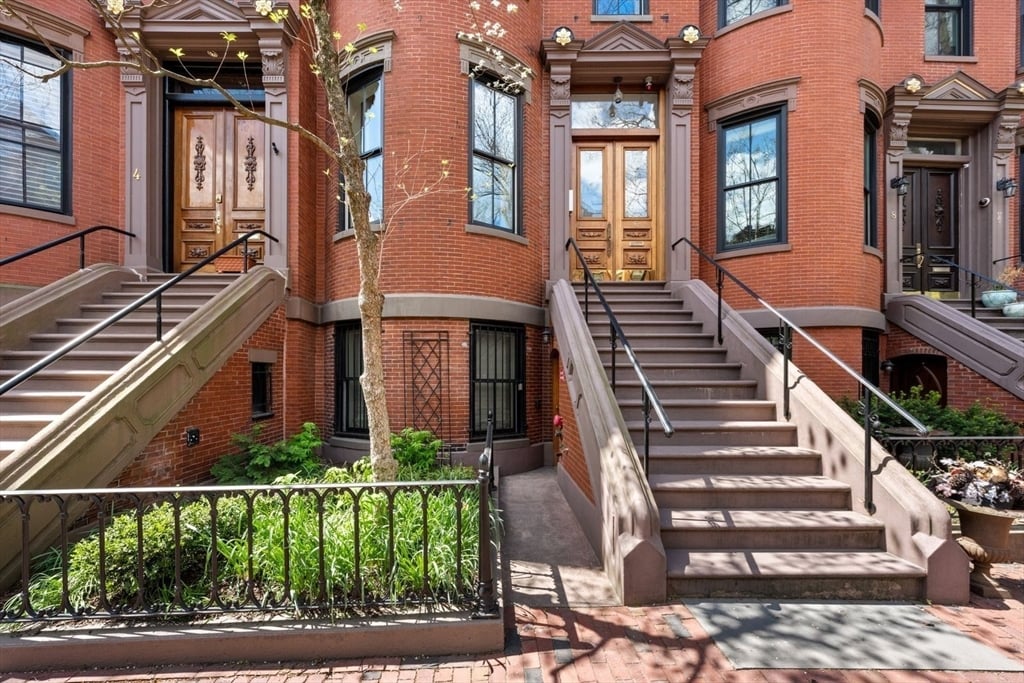
Beacon Hill is a protected historic district, which helps preserve its streetscape and charm that many buyers seek. You can explore the district’s history through the National Park Service’s overview of Beacon Hill’s historic significance. That protection also shapes what you can change on a building and how you present your property to the market.
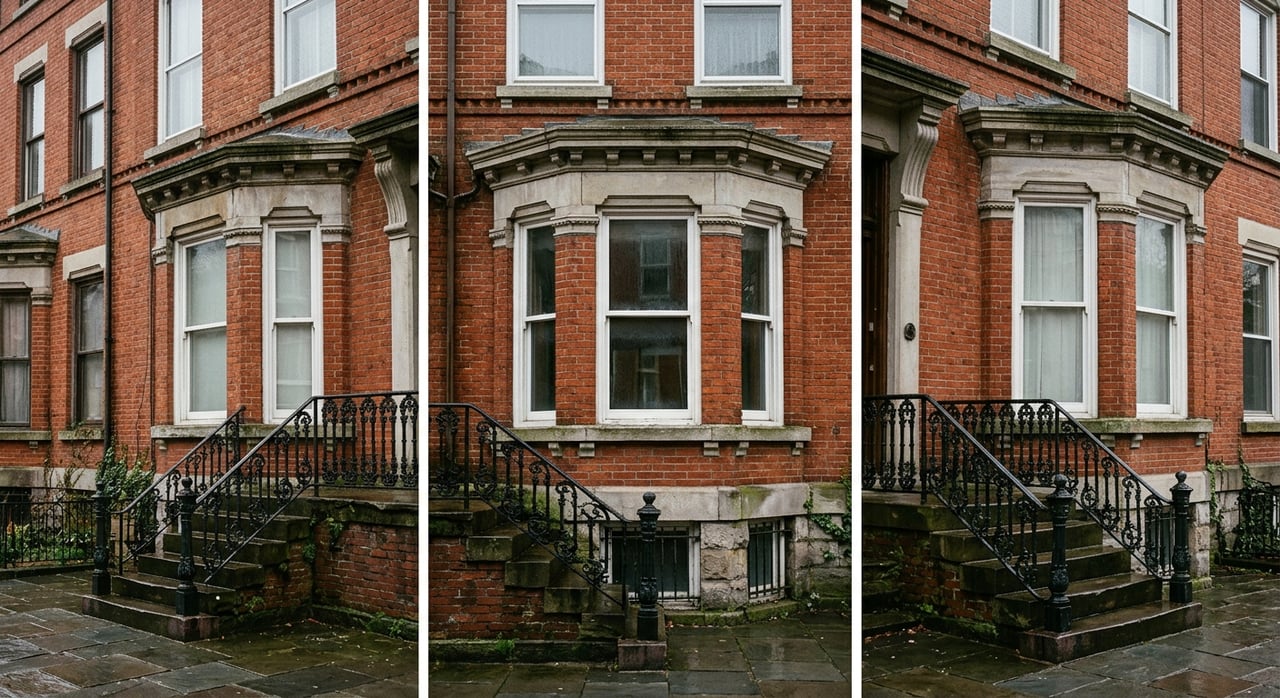
Exterior changes visible from a public way generally require review by the Beacon Hill Architectural Commission (BHAC). The Commission’s page outlines how applications and Certificates of Appropriateness work in the Historic Beacon Hill District. The BHAC publishes detailed Standards and Criteria that cover windows, masonry, rooflines, and equipment that could be seen from the street. If demolition is part of a plan, Boston’s Landmarks Commission enforces Article 85 Demolition Delay, which is a separate review.
What this means for pricing: district protections are a selling point, yet they also limit certain changes and can affect renovation timelines and costs. Savvy pricing treats those factors as both features and constraints.
What drives value here
Historic fabric and provenance
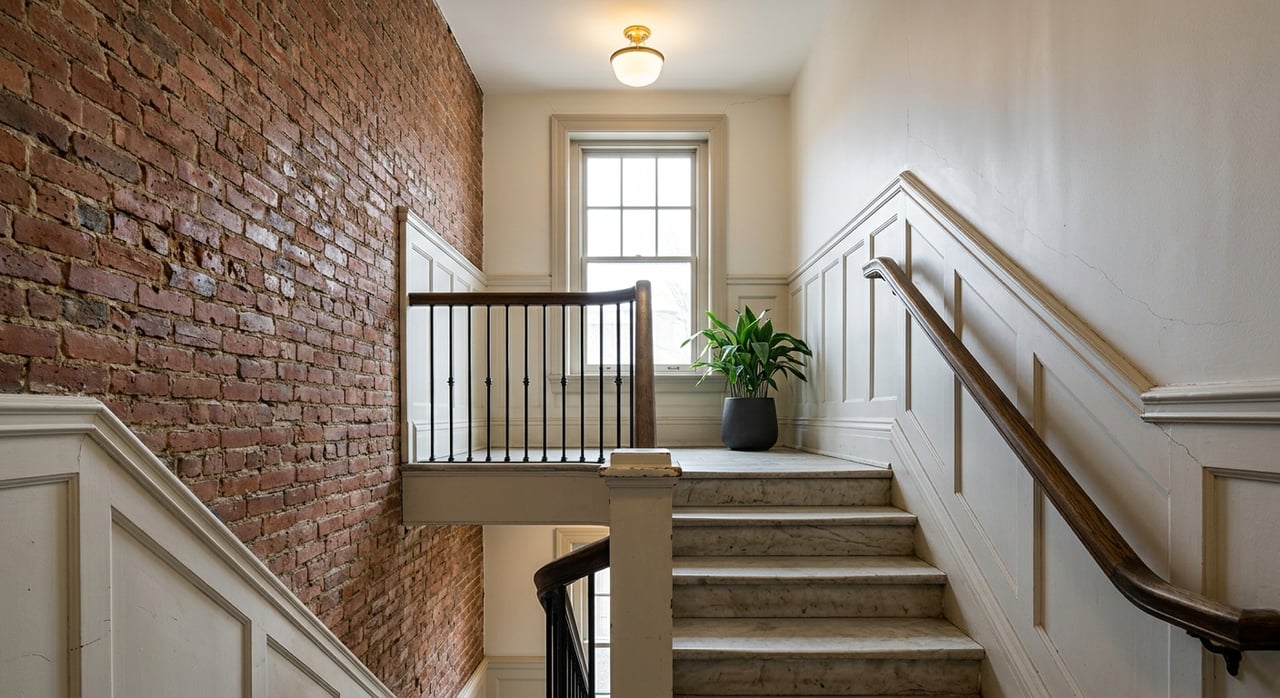
Beacon Hill buyers pay attention to authentic details. Original mantels, moldings, ironwork, and early 19th-century elements are often prized. Homes with documented restoration, architect names, or preserved fabric can justify stronger pricing when supported by comps and the BHAC context. The district’s history adds depth to marketing, as noted by the National Park Service and the City’s district resources.
Layout and usable space
Older brownstones often have irregular footprints and mixed levels. Price-per-square-foot shortcuts can mislead. Agents focus on usable rooms, parlor and garden levels, separate entries, and how the plan lives day to day. Professional pricing leans on well-matched comparables and functional adjustments rather than raw size alone, a method reflected in appraisal training like the paired-sales approach.
Renovation level and systems
Kitchens and baths often drive the largest perception shifts for buyers. National analyses show that modest-to-midrange updates can deliver stronger resale impact than ultra-luxe gut projects. Review the latest Cost vs. Value findings when prioritizing pre-list work. In older housing, updated electrical, plumbing, heating, and roofing reduce buyer risk and support higher pricing. Be mindful of pre-1978 lead-based paint rules and disclosure. The EPA’s RRP guidance for older homes is a helpful primer on lead-safe work practices.
Outdoor space and roof decks
Private gardens, patios, and terraces are scarce and desirable in Beacon Hill. They tend to widen the buyer pool. Roof decks are trickier. The BHAC’s Standards state that rooftop structures and decks visible from public ways are considered inappropriate. Do not market a potential roof deck as an easy win without checking the BHAC Guidelines and precedent.
Parking and storage
Deeded or off-street parking is rare and valuable. It can change both your buyer pool and your price expectations. Always verify whether a space is deeded, assigned, leased, or seasonal. For context on how intensely parking is valued, see this overview of Beacon Hill parking premiums.
Micro-location on the Hill
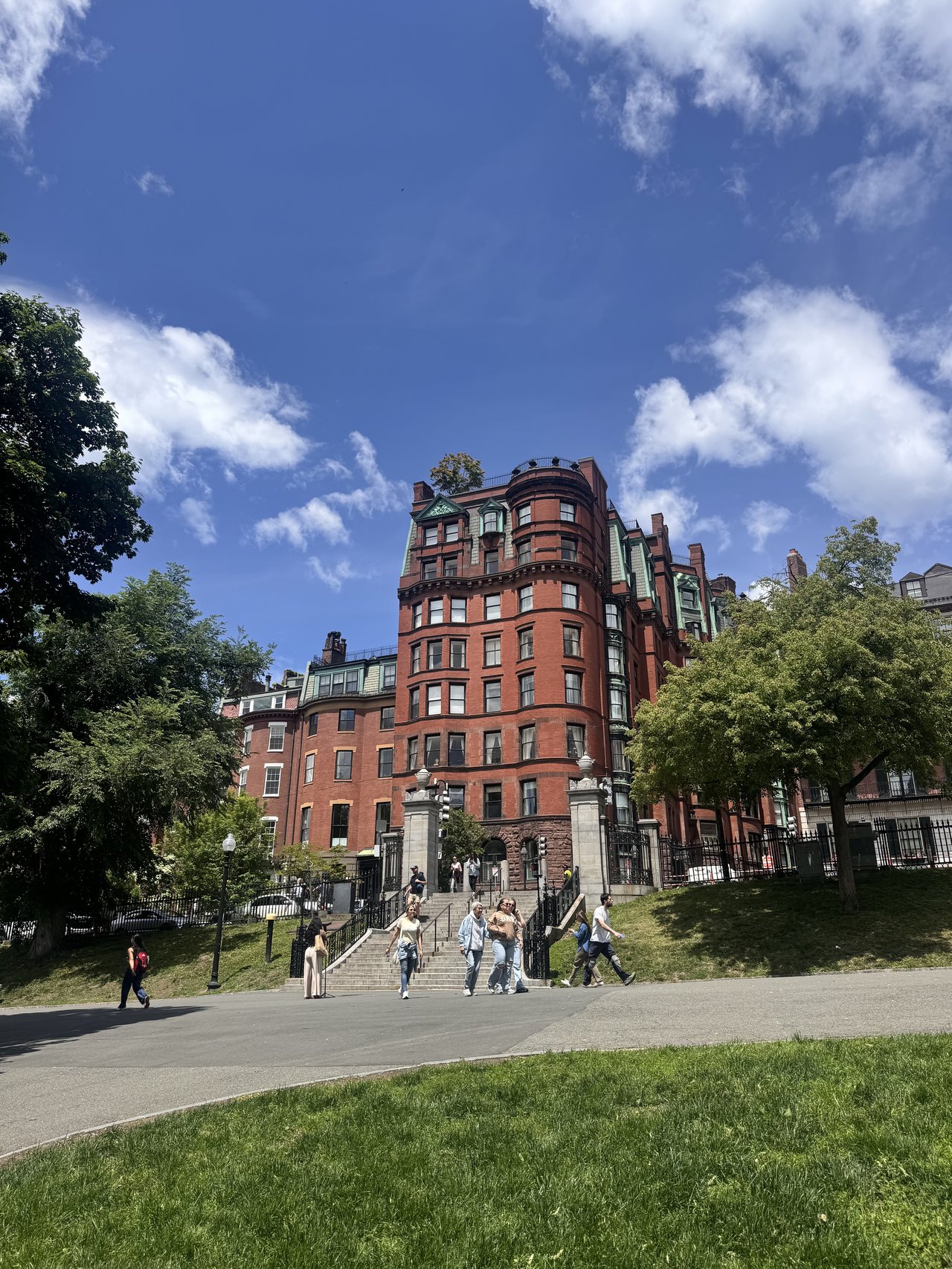
A few doors can make a difference. Addresses and views near Boston Common or prestigious streets like Chestnut Street and Louisburg Square often draw distinct buyer segments. Hyperlocal comps beat broad ZIP-level averages. Pricing that respects street-level nuance will be more accurate and persuasive.
Ownership type
Know what you are selling: a fee-simple single-family brownstone, a condo within a brownstone, or a multi-unit asset. Ownership changes carrying costs, HOA fees, and buyer profiles. It also changes which comps are truly comparable.
Rare one-off features
Professionally landscaped gardens, front-facing Common views, or deeded garage spaces can make your home non-fungible. A careful CMA will estimate the premium for these features using local paired sales whenever possible.
How a Beacon Hill CMA is built
A strong Beacon Hill CMA uses evidence, not guesswork. Here is the process agents rely on to shape a defensible price range.
- Inspect the property
- Walk through with your agent. Document finishes, mechanicals, permits, historic fabric, outdoor spaces, and possible non-conforming items. Good photos support both pricing and appraisals. See NAR’s summary of what goes into pricing your home.
- Define the comparable search
- Geography: start on the same street, block, or slope. In Beacon Hill, same building comps are gold when available.
- Time: use the freshest sales possible. Expand to six months if inventory is thin, then time-adjust as needed.
- Function and type: match single-family vs. condo vs. multi-unit and align on bathrooms, entrances, and level mix. Appraisal training reinforces using close functional matches and the paired-sales method when exact comps are scarce.
- Weigh solds, pendings, actives, and expireds
- Sold sales anchor value. Pendings signal current demand. Actives are your competition. Expired or withdrawn listings help identify overpricing or condition mismatches. A thorough CMA explains how each set is weighted.
- Adjust for material differences
- Typical adjustments include: usable square footage, bath count and level placement, renovation quality, outdoor space, deeded parking, preserved historic features, views, and deferred maintenance. When available, paired sales support dollar adjustments for specific features.
- Time and trend adjustments
- If a comp is several months old, apply a time adjustment tied to the latest neighborhood trend data. This updates older sales to today’s market conditions.
- Recommend a list strategy
- The CMA produces a price range. Your strategy depends on timeline and risk tolerance. Listing at the top of the range tests for a premium. Listing slightly under the midpoint can invite more showings and competition.
- Document assumptions and risks
- If exterior work is planned, note the BHAC approvals required, likely timelines, and any condition items that could affect financing or inspections. Clear documentation builds buyer confidence and helps you avoid surprises.
Pre-listing checklist for sellers
A few targeted steps can improve your price and reduce days on market.
- Confirm district status and approvals. Verify the property is within the Historic Beacon Hill District and review the BHAC Standards. Get early guidance on any exterior change you hope to complete before listing. If demolition is contemplated, consult Article 85.
- Gather documentation. Collect permits, past BHAC decisions, contractor reports, plans, and maintenance records. A clean packet eases appraisals and buyer diligence.
- Prioritize high-ROI updates. Focus on painting, cost-effective kitchen and bath refreshes, and mechanical servicing. The national Cost vs. Value report helps set expectations.
- Address safety and disclosures. For pre-1978 homes, know your obligations around lead paint and renovation practices. Review the EPA’s RRP guidance and plan accordingly.
- Verify parking status. Confirm whether parking is deeded, assigned, or leased and have paperwork ready. The details can materially impact your price and buyer pool. See context on Beacon Hill parking value.
- Invest in visuals and narrative. Professional photography, clear floor plans, and a factual property story reduce friction and help buyers understand non-standard layouts. Industry summaries show that stronger visual marketing can shorten time on market, as noted in this overview of selling for top dollar.
- Educate buyers early. Include a concise note in your listing packet that the home sits in the Historic Beacon Hill District with links to the BHAC page and Standards. Frame protections as a benefit while noting that exterior changes are reviewed.
Pricing strategy that fits your goals
Once you have a defensible CMA range, your list strategy should reflect your timing and appetite for risk.
- Top-of-range launch. This can work if your property is rare, recently updated, and well positioned on the Hill. Expect a longer market test.
- Mid-to-competitive launch. Listing slightly under the midpoint can increase showings and invite multiple bids, which may raise your net. This path works well when you value speed and certainty.
- Data-driven pivots. Set check-in points to evaluate traffic, feedback, and nearby activity. If buyers consistently cite a condition gap or feature mismatch, respond quickly with a targeted improvement or price adjustment.
NAR’s consumer guidance emphasizes presenting clear data and then choosing a pricing point together within the range. That approach builds confidence and keeps the process transparent.
Common pitfalls to avoid
- Relying on price per square foot alone. Usable space and function matter more in Beacon Hill’s older stock.
- Overpromising unapproved changes. Do not market a roof deck or exterior change before you verify BHAC feasibility.
- Ignoring systems. Outdated electrical, plumbing, or heating can spook buyers and appraisers.
- Mislabeling parking. Deeded vs. assigned vs. leased makes a real difference. Verify and document.
- Skipping documentation. Missing permits or unclear renovation history can slow or derail a deal.
Ready to price with confidence
You deserve a pricing plan that respects Beacon Hill’s character and your goals. Our six-step seller program aligns strategy, pricing, preparation, marketing, negotiation, and closing so you launch with clarity and finish with confidence. If you are ready to map your price range and pre-list plan, connect with the Steph Crawford Group to get started.
FAQs
How does Beacon Hill’s historic district affect renovations before a sale?
- Exterior work visible from a public way usually needs BHAC review and approval, so confirm feasibility and timelines early using the City’s BHAC resources.
Can I add a roof deck on a Beacon Hill brownstone to boost price?
- Maybe, but roof decks visible from public ways are described as inappropriate in BHAC Standards, so check guidelines and precedent before marketing a deck as an option.
How many comparables go into a Beacon Hill CMA?
- Expect at least 3 to 5 strong matches with sold, pending, active, and expired sets, plus careful adjustments due to the neighborhood’s one-of-a-kind inventory.
Should I do a full gut renovation before listing in Beacon Hill?
- Usually no; targeted kitchen and bath refreshes and systems servicing often deliver better resale impact than expensive full-gut projects.
Does Beacon Hill’s historic status reduce property value?
- For many buyers, district protections are a positive that preserves character; they also add review steps that should be disclosed and priced into expectations.
What parking details matter most to buyers in Beacon Hill?
- Whether parking is deeded, assigned, or leased and where it is located; verified parking status can materially change demand and pricing.