Imagine paying top dollar for a Seaport condo, only to realize half the amenities you loved on the tour barely fit your daily life or add little at resale. You want the perks, not the bloat. In Boston’s Seaport, where towers compete on lifestyle, the right features can elevate your day-to-day and protect long-term value. This guide breaks down which amenities consistently matter, what to watch in the HOA, and how to compare buildings with confidence. Let’s dive in.
Why amenities matter in Boston’s Seaport
Seaport living centers on well-run, high-amenity buildings with concierge service, fitness and wellness spaces, and indoor-outdoor lounges. Developers highlight private terraces, garage parking, and staff-supported services as part of the package. That competition is great for you, but it also means you need to separate true value from “nice to have.”
Waterfront location adds another layer. Much of the Seaport sits at low elevation near the harbor, so flood resilience affects the value of waterfront access, terraces, and first-floor amenities. The city’s Climate Ready Boston work makes resilience a practical part of ownership and lending. Understanding a building’s mitigation plan is as important as the view from the pool deck.
The amenities that add real value
Protected water, park, or skyline views
Views are scarce, and scarcity drives value. Hedonic pricing research shows scenic views, especially water and broad park exposures, are capitalized into price, with premiums that vary by quality and protection of the view. The takeaway for you: compare same-building sales on different exposures and floors to understand the view premium on that stack. See the hedonic pricing research on scenic views for why and how view effects show up in price.
Practical tip: Ask whether the view is likely to stay open. Future development or a lower floor could reduce the payoff. Corner units with cross exposures often show better light and outlook, which can help at resale.
Deeded private outdoor space
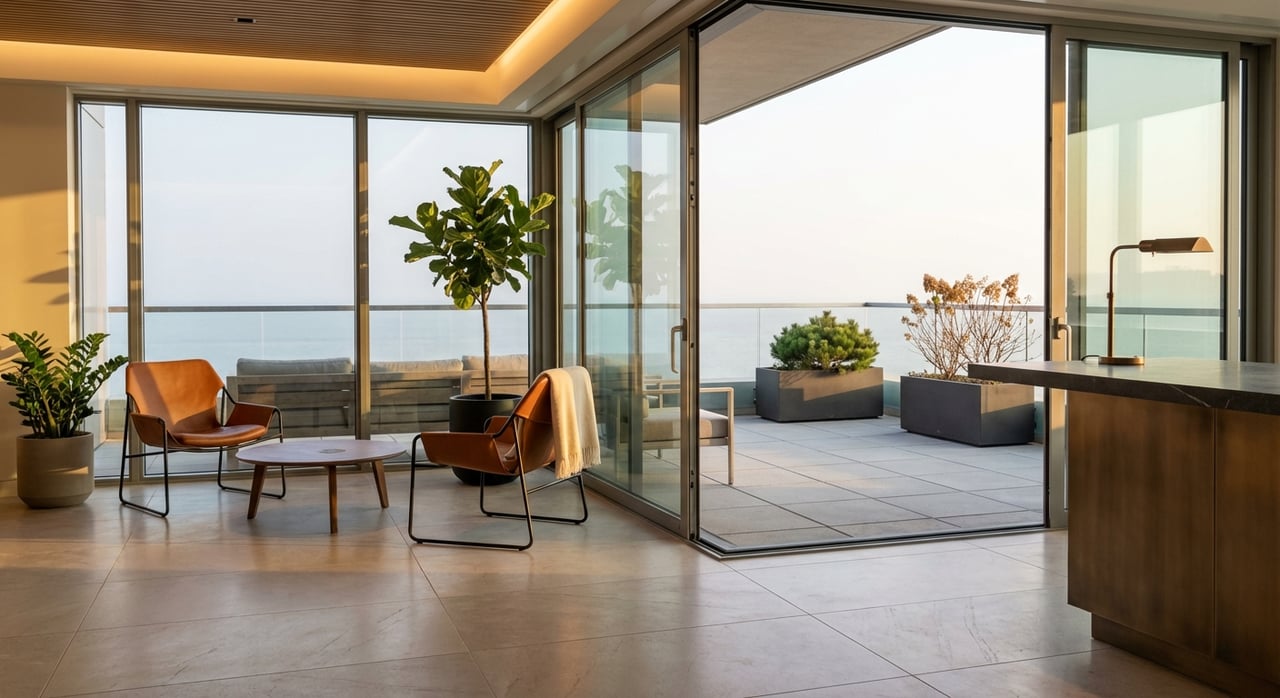
A balcony or deep terrace can feel like an extra room, which is why so many Seaport listings lead with it. Post-pandemic buyer interest in fresh air and wellness remains strong. NAR’s coverage of wellness and real estate reinforces this demand for spaces that support daily health.
What to check: size and depth, exposure, and whether the space is deeded to the unit. Power or a gas line for grilling can improve livability. In a waterfront district, ask whether the terrace sits above local flood elevations and how the building protects lower outdoor areas during storms.
Deeded garage parking and secure storage
In Seaport, many professionals still rely on a car. Deeded garage parking reduces friction and helps marketability to both buyers and tenants. Clarify if parking is deeded, assigned, or valet-only, and whether the building supports EV charging now or will soon. Demand is rising for charging in multifamily settings, and operators are ramping up plans. See this note on on-site EV charging demand in multifamily buildings.
For storage, look for secure lockers, bike rooms, and thoughtful package areas. These quiet workhorse features make daily life easier and broaden appeal at resale.
Strong governance and healthy reserves
Flashy perks will not offset poor governance. Buildings with professional management, transparent budgets, and funded reserves tend to command price premiums because they reduce risk, ease financing, and prevent surprise assessments. Recent research links higher management and evaluation scores to higher prices in condominium markets. See the study on governance quality and condo price premiums.
What to review with your agent: reserve study and funding level, recent or pending special assessments, board meeting minutes, and insurance coverage and claims history.
Amenities that improve daily life
Fitness, wellness, and co-working done well
A well-equipped fitness center and serene yoga or wellness rooms can replace outside memberships and bring balance into your routine. Many luxury buyers now expect these features. NAR’s wellness and real estate perspective highlights the continued shift toward health-focused spaces. The key is quality and maintenance. Clean, well-managed facilities with enough capacity will help both living and resale.
Secure package, bike, and practical storage
In a high-rise market, these quiet amenities punch above their weight. Secure, accessible package rooms reduce daily hassle. Bike storage supports a car-light lifestyle. Deeded storage lockers solve seasonal overflow. None of these will headline the brochure, but they make living more efficient and show up in buyer decision-making.
Walkability and parks
Seaport’s HarborWalk, green pockets, and nearby public realm investments support both quality of life and market demand. A research review on park proximity and property values finds measurable value effects for homes near well-maintained parks. Proximity to open space is a tangible differentiator, especially for buyers who want quick access to the waterfront.
Lifestyle features with trade-offs
Pools, spas, and hotel-style services
These amenities photograph beautifully and can be a joy to use. They also require staffing, heating, higher insurance limits, and ongoing maintenance. That means higher monthly HOA and a higher risk of special assessments if reserves lag. If you know you will use the pool often, it may be worth it. If not, weigh the carry cost against the wow factor.
Niche or novelty spaces
Private restaurants, demonstration kitchens, bowling lanes, and other curated extras can set a building apart for a small audience. They also raise capital and operating costs and may not translate to broad resale value. Industry coverage has called this phenomenon “amenities gone wild,” a cautionary flag for overbuilt extras. See the industry coverage on “amenities gone wild”.
Cost, HOA, and resilience: what can reduce value
Amenities that rely on staff and specialized systems raise operating expenses. A 24/7 concierge, valet, lifeguards, and elaborate mechanicals add payroll, utilities, repairs, and higher insurance. Those line items flow to the HOA and can raise the chance of special assessments if reserves are thin. Before you buy, ask to review the budget, the latest reserve study, and any planned capital projects.
Flood and climate risk matter near the harbor. The city’s Climate Ready Boston plans address the Seaport’s coastal exposure. Confirm how your target building mitigates risk: elevated mechanicals, flood barriers, sump and pump redundancy, and master insurance scope. Ask whether your lender will require flood insurance and how that cost affects your monthly number.
Governance quality can offset or compound these risks. As noted above, healthy reserves and good management support stable ownership costs and more predictable resale outcomes. See the governance quality and condo price premiums research for additional context.
A quick Seaport amenities checklist
Use this list when you tour or compare buildings:
- Amenity ownership: Is the feature deeded to your unit or shared by license? Clarify for terraces, roof decks, and parking.
- HOA economics: Current monthly dues, reserve study date and funding, recent or pending special assessments, and major cost drivers like pools and 24/7 staffing.
- Parking and EV: Deeded vs assigned vs valet, number of spaces, and EV policy or build-out plan. Note rising demand for on-site EV charging in multifamily buildings.
- Outdoor space: Square footage, depth, exposure, utility hookups, and elevation relative to local flood levels.
- Views: Direction, breadth, and whether the outlook is protected from future development. Compare comps and consider view-related pricing research.
- Governance: Professional management, bylaws on rentals and pets, meeting minutes, and insurance claims history. Strong governance supports value, as shown in recent research.
- Flood and resilience: Building mitigation features and any city or BPDA resilience measures. Start with Climate Ready Boston.
- Usage patterns: Owner-occupancy ratios, amenity usage, and practical capacity. Crowded or underused facilities can change the value equation.
How to compare two Seaport buildings
Start with the private, deeded benefits. A protected view, a deeded terrace, and deeded garage parking usually travel well from buyer to buyer. These features reduce friction, enlarge usable space, and often hold value longer than niche extras.
Next, assess the cost structure. Put the headline HOA next to the operating drivers. If a pool, spa, and private dining room are part of the pitch, expect higher dues. Ask how much of the HOA covers staffing and long-term maintenance. A transparent budget and a current reserve study are positive signals.
Then, check resilience and governance. Confirm flood mitigation, mechanical elevations, and insurance scope. Look for professional management and strong reserves. These items matter to lenders and can show up in appraisal and buyer confidence.
Finally, confirm neighborhood context. Proximity to HarborWalk and parks supports livability and demand. See the park proximity and property value research for broader evidence.
Bottom line
In Boston’s Seaport, the amenities that consistently deliver value are simple to name and powerful in practice: deeded private benefits like terraces and garage parking, protected views, and strong building governance. Walkability and access to the waterfront enhance day-to-day living and broaden the buyer pool. High-maintenance features can be wonderful, but only when the joy per dollar matches the recurring cost. If you balance lifestyle with HOA economics and resilience, you put yourself in a strong position for both enjoyment and resale.
If you want help weighing these trade-offs or want a side-by-side on your short list of buildings, reach out to the Steph Crawford Group. We can build a clean comparison that ties amenities to costs, risk, and likely resale outcomes.
FAQs
Are pools worth it in Seaport condo buildings?
- Pools add lifestyle appeal but raise staffing, maintenance, and insurance costs, so weigh your actual usage against higher HOA and confirm reserve strength to avoid surprise assessments.
Do water or skyline views always pay off at resale?
- Views are among the most durable, marketable features, but the premium depends on quality and protection; compare same-building comps and review view-pricing research.
Is concierge or doorman service worth the cost?
- Many Seaport buyers value convenience, security, and package handling, but 24/7 staffing increases dues, so confirm the hours, scope of service, and how it impacts the HOA.
How valuable is deeded garage parking in the Seaport?
- Deeded parking reduces friction for owners and tenants and often improves marketability; verify deed status, location in the garage, and any EV-charging options or waitlists.
What should I ask about flood risk near the harbor?
- Request details on mitigation features, elevation of mechanicals, insurance requirements, and city plans like Climate Ready Boston, then factor any flood insurance into your monthly budget.