Thinking about trading city living for more space without losing easy access to Boston? Wellesley offers a polished suburban feel, strong everyday amenities, and multiple ways to commute. If you want sidewalks, green space, and a practical trip to Back Bay, this guide will help you compare options. You will learn how long typical commutes take, what daily life feels like, and what to expect from the housing market. Let’s dive in.
Where Wellesley fits in Greater Boston
Wellesley sits about 15 to 17 miles west of downtown Boston in Norfolk County. You can reach the city by Route 9 or the Massachusetts Turnpike, and the MBTA commuter rail connects three in-town stations to Back Bay and South Station. The town is primarily residential with a mix of historic homes and newer infill. Wellesley College and nearby Babson College add cultural events and foot traffic that support local shops and cafés.
Commute options and times
MBTA commuter rail
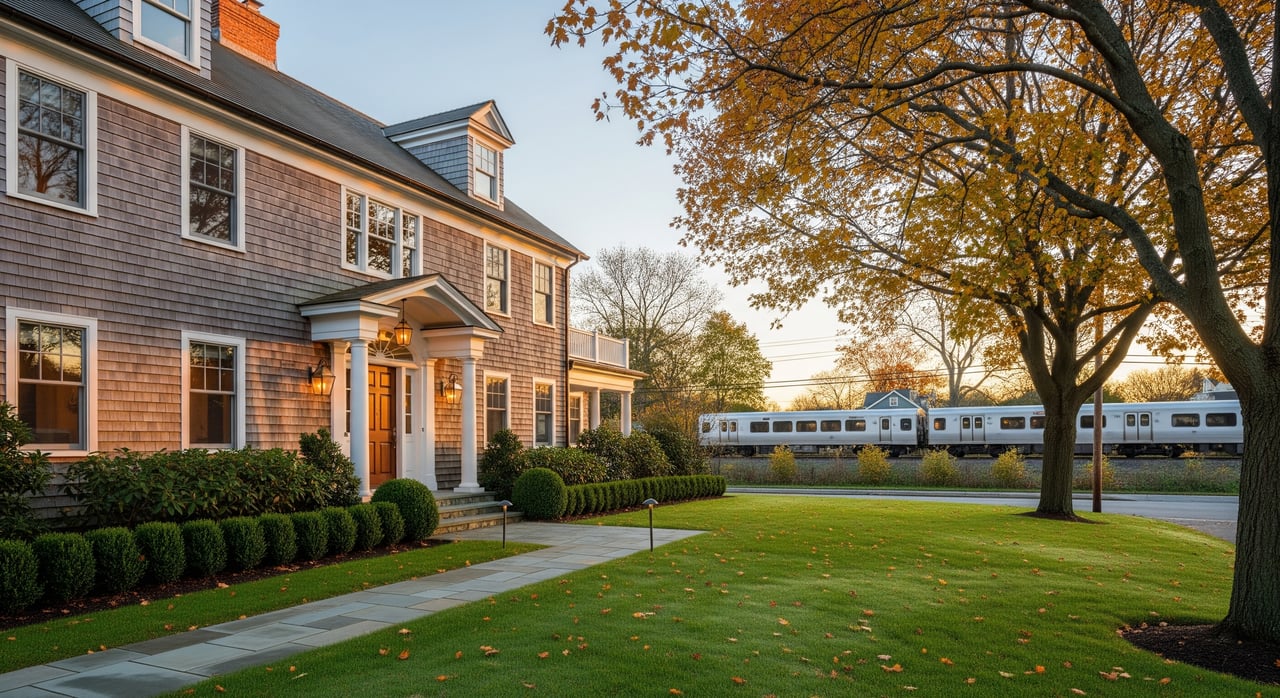
Wellesley is served by the Framingham/Worcester Line at Wellesley Farms, Wellesley Hills, and Wellesley Square. Typical one-way rides to Back Bay or South Station often range from about 25 to 40 minutes, depending on the train and stop. Express schedules can be faster, while local trains make more stops. Station parking exists but can fill early, so many residents walk, arrange drop-offs, or plan for permits.
Driving to Boston
If you drive, Route 9 offers direct access east toward Newton and the city, and the Mass Pike is close for tolled travel. Off-peak trips to central Boston can run 20 to 35 minutes in light traffic. During rush hour, plan for 35 to 60 minutes or more, since congestion builds on Route 9 and I-90 inbound. Downtown parking is separate from commute time, so factor in garage or street options at your destination.
Last mile and getting around town
Daily errands can be walkable in Wellesley Square, Linden Square, and near the colleges. Sidewalks and local paths make short trips practical, and some streets suit bikes better than others. Trails and shared-use paths support recreational riding, though winter weather and hills can affect year-round cycling. If you rely on the train, consider how you will reach your station in all seasons.
Commute planning tips for buyers
- Prioritize proximity to a rail stop if you commute daily to Back Bay or South Station.
- Compare express and local train schedules, then tour homes during your actual commute window.
- If you plan to drive, test routes on Route 9 and the Mass Pike at peak and off-peak times.
- For hybrid work, confirm home-office space, noise control, and reliable broadband at the address.
Housing snapshot and neighborhoods
What you will find
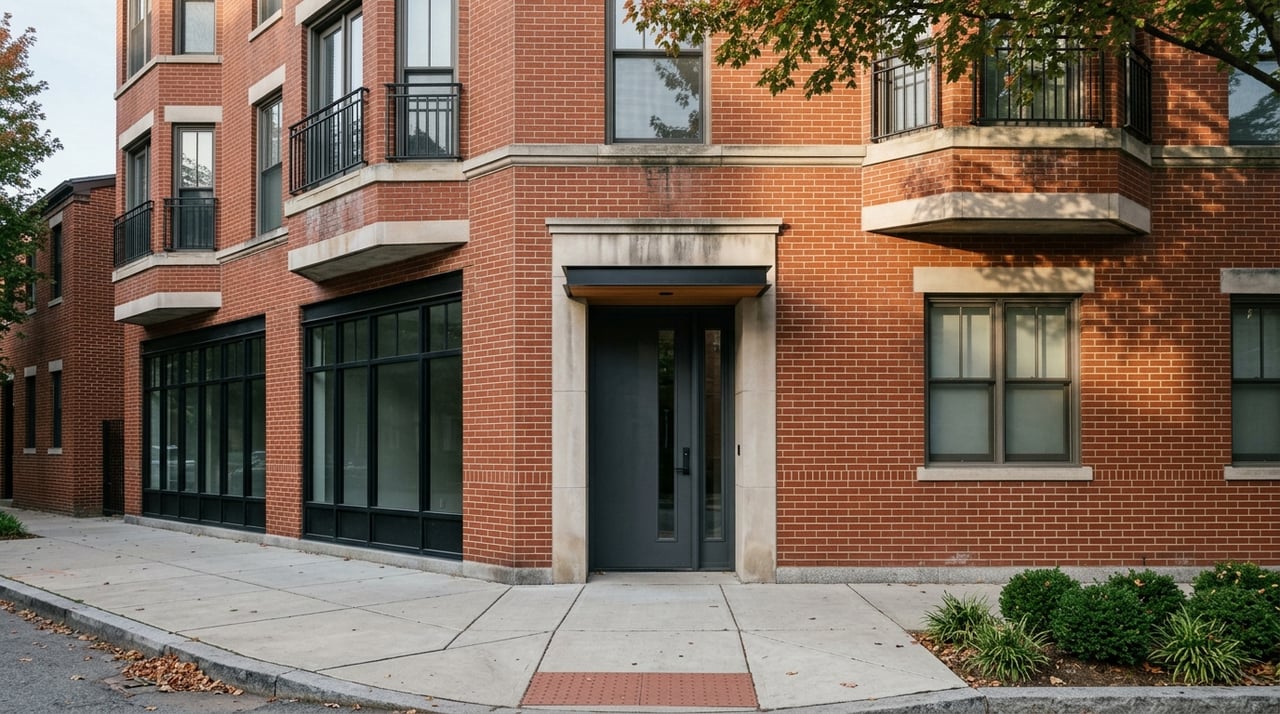
Wellesley’s housing stock leans heavily toward single-family homes, including Colonial, Victorian, and Tudor styles alongside newer construction. You will also find some condos and townhomes, though supply is limited relative to single-family options. In demand areas, tear-downs, additions, and small-lot redevelopment are part of the market pattern. Lot sizes vary, with larger parcels more common in several residential pockets.
Price context
Wellesley is an upper-tier suburb, with home values that sit above state and national medians. Median sale prices shift with season and inventory, and condos typically price below detached homes. Instead of relying on a single number, review recent comparable sales for your specific neighborhood and property type. A local analysis will account for lot size, condition, proximity to rail, and walkability to amenities.
Micro-areas to explore
- Wellesley Square: Highly walkable, near the Wellesley Square station, with boutiques, restaurants, and nearby single-family streets and condos.
- Linden Square/Washington Street corridor: Boutique retail and newer mixed-use development that can shorten errands and create an easy daily routine.
- Wellesley Hills and Wellesley Farms: Classic suburban streets, historic homes, larger lots, and their own commuter-rail stops for straightforward Boston access.
- South and West near Lake Waban and Wellesley College: Scenic areas with older homes and close-by trails and green space.
- Bordering communities: Newton, Needham, Natick, and Weston can influence pricing, commute options, and shopping choices along the town edges.
Lifestyle and everyday amenities
Education landscape
Wellesley Public Schools are widely recognized for strong academic programs across elementary through high school. Several independent schools operate in and near town, offering additional choices for families. Wellesley College and Babson College bring lectures, concerts, and community programming. For objective data, review district and school profiles through state education resources.
Dining, shopping, and services
Daily living is simple with shops and cafés in Wellesley Square and Linden Square. You will find grocery options, pharmacies, fitness studios, and essential services in town. For broader retail, larger centers like the Natick area are a short drive. Seasonal events, farmers’ markets, and local businesses add to the small-town rhythm.
Parks and recreation
Outdoor time is easy to plan with Lake Waban paths, athletic fields, and nearby Elm Bank Reservation, which hosts horticultural gardens and trails. The Wellesley Recreation Department runs youth sports, pools, and adult programs year-round. Tennis and golf options exist in and around town. On weekends, you can reach larger regional open spaces for hiking in under an hour by car, depending on your destination.
Arts and community
Expect a steady calendar of library talks, local arts performances, and college-hosted cultural events. Historical and civic organizations, PTAs, and volunteer groups help newcomers plug in quickly. Whether you enjoy lectures, music, or hands-on community projects, you will find ways to participate.
Safety and healthcare
Wellesley generally reports lower crime rates compared with national averages. Primary care, urgent care, and specialty practices operate in town and nearby communities. Major hospitals in Boston are an easy drive or train ride when you need advanced care.
Practical considerations for your move
Property taxes and municipal costs
Your overall property tax bill will depend on the assessed value of the home, even if the tax rate is moderate. Ask for recent tax bills on comparable properties to estimate carrying costs. Build a budget for water, sewer, and any applicable town fees. Review local recycling and trash policies before move-in.
Permits, renovations, and historic factors
Many neighborhoods are zoned primarily for single-family homes with rules for setbacks and lot coverage. If you plan an addition or an accessory apartment, verify what is allowed before making an offer. Building permits are required for significant work, and inspections follow the town’s schedule. In or near historic districts, design changes can face added reviews, so confirm requirements early.
Utilities, broadband, and cell coverage
Service availability is generally strong in built-up areas, but speeds and providers can vary by address. If you work from home, confirm high-speed internet and reliable cell coverage at inspections. Note any utility upgrades the seller has completed, such as electrical capacity or HVAC improvements.
Timing, financing, and strategy
Typical closing timelines in Massachusetts often run 30 to 60 days, depending on financing and contingencies. In tighter markets, sought-after homes near rail or town centers can draw multiple offers. Get fully preapproved and stay flexible on closing and occupancy to strengthen your position. For higher-price properties, discuss jumbo mortgage options with lenders familiar with Greater Boston.
Is Wellesley a fit for you?
Choose Wellesley if you want a quiet, residential setting with reliable access to Boston by train or car, plus a strong mix of parks, local retail, and cultural events. If walkability to daily needs matters, focus on homes near Wellesley Square or Linden Square. For larger lots and a classic neighborhood feel, explore Wellesley Hills and Farms. If you are weighing Wellesley against Newton, Needham, or Brookline, compare commute windows and the trade-off between lot size and walkability.
Ready to explore Wellesley with a clear plan? The Steph Crawford Group can help you compare neighborhoods, map commutes, and price homes with confidence so you move forward without surprises.
FAQs
How long is the Wellesley-to-Boston commute by train?
- Typical one-way trips on the Framingham/Worcester Line often run about 25 to 40 minutes, depending on station and whether you catch an express or local train.
What are typical driving times from Wellesley to Back Bay at rush hour?
- Plan for roughly 35 to 60 minutes or more during peak periods, since congestion builds on Route 9 and the Mass Pike inbound.
What types of homes are most common in Wellesley?
- Single-family homes dominate, with Colonial, Victorian, and Tudor styles plus newer builds; condos and townhomes exist but supply is more limited.
How competitive is the Wellesley market for buyers right now?
- Move-in ready homes near transit and services often draw strong interest, so preapproval, clear timing, and thoughtful contingencies can help you compete.
Are there lower-maintenance condo options in Wellesley?
- Yes, you can find condos and townhomes, often near Wellesley Square and Linden Square, though inventory is smaller than single-family stock.
What should I know about permits and renovations in Wellesley?
- Confirm zoning rules for additions or accessory units, expect permits and inspections for major work, and check for any historic district reviews.
How can I learn about Wellesley schools and programs?
- Review district and school profiles through state education resources, and consider touring schools or attending public info sessions for program details.
Is commuter-rail parking available at Wellesley stations?
- Lots exist but can fill early; confirm current parking rules, permits, and waitlists before you rely on driving to the station daily.