Thinking about a Colonial or a Contemporary home in Newton, but not sure which fits your life best? You are not alone. The city’s mix of historic charm and modern design gives you great options, yet each style brings different layouts, renovation paths, and resale angles. In this guide, you will learn how these homes differ in Newton, what to expect with inspections and permits, and how to plan upgrades that protect your value. Let’s dive in.
Colonial vs Contemporary basics
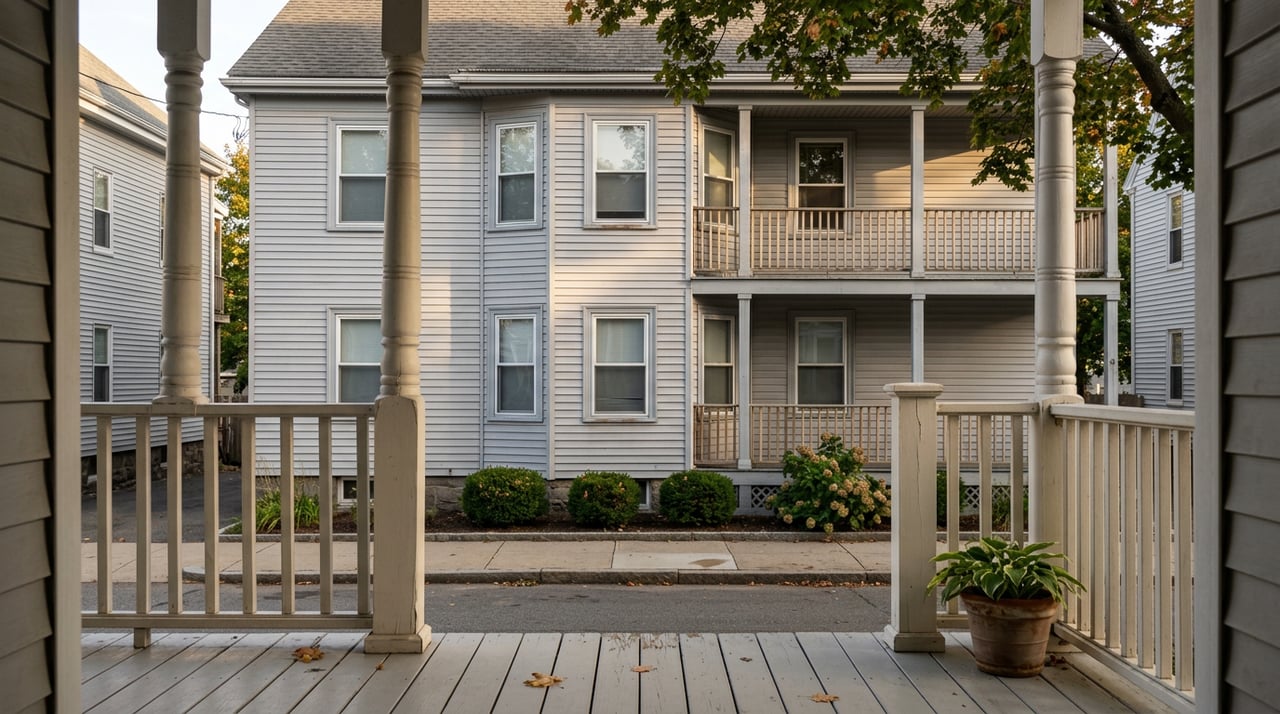
Colonial in Newton usually means Colonial Revival, Georgian Revival, or Federal-influenced homes built from the late 1800s through the mid 1900s. You will see symmetrical facades, gabled roofs, double-hung multi-pane windows, and an entry with columns or a pediment. Inside, rooms tend to be more defined, with a central stair and formal living and dining rooms.
Contemporary describes late 20th and 21st century design, including mid-century modern and newer custom builds. Expect open floor plans, larger expanses of glass, higher ceilings, and mixed materials. These homes often prioritize indoor to outdoor flow and natural light.
Where styles show up in Newton
You will find a high concentration of Colonials in older villages like Newton Centre, West Newton, Newtonville, and Waban. Many streets feature mature trees and early 20th century housing stock with period details.
Contemporary homes appear as newer infill or architect-designed builds, especially on larger lots in areas like Chestnut Hill and parts of Newton Centre. You will also see expanded and renovated homes that blend traditional exteriors with modern interiors.
If you are considering additions, remember that Newton’s zoning rules for setbacks, floor-area ratio, lot coverage, and height influence what is possible. In local historic districts, exterior changes may require review by the city’s historic preservation body. Early due diligence saves time and surprises.
Layouts and daily living
Colonials favor defined rooms and a more formal entry sequence. Bedrooms are typically upstairs, with finished basements or attics as bonus space. This layout suits buyers who want separation between living, dining, and work areas.
Contemporary homes center life around an open kitchen and family great room. You will often find larger kitchen islands, flexible spaces, and more direct access to patios and decks. If you value light and flow, this style delivers.
Renovation realities in Newton
Updates are common across both styles, but the path differs. Plan carefully if you want to open a floor plan or add space.
Opening a Colonial
- Removing walls often requires new structural supports due to traditional load paths and central chimneys.
- Older windows and less insulation can impact comfort. Upgrades help with energy performance.
- Electrical, plumbing, and mechanical systems may need modernization before cosmetic work.
Updating a Contemporary
- Focus on envelope performance. Large glass areas may need energy upgrades to meet current code expectations.
- Flat or low-pitched roofs require diligent waterproofing and flashing.
- Ensure any past additions were permitted and conform to Newton zoning and state building code.
Historic districts and review
If a property sits in a local historic district or is an individually designated landmark, exterior changes like siding, windows, and additions typically require review. National Register districts function differently. Many private actions are not restricted unless federal funds or permits are involved. Always confirm a property’s status before you design, budget, or schedule work.
Inspection essentials by style
Thorough inspections are crucial in both Colonials and Contemporaries, but red flags vary by era and construction.
Older Colonial red flags
- Foundations and moisture: stone foundations, settlement, and water intrusion.
- Roofs and chimneys: aging shingles, valleys, and flashing.
- Insulation gaps: limited wall or attic insulation.
- Electrical and plumbing: knob-and-tube wiring, older fuse or undersized panels, galvanized pipes, or older copper with lead solder.
- Environmental hazards: potential lead-based paint in pre-1978 homes and possible asbestos in older boilers or floor tiles. Renovation work must follow lead-safe practices.
Contemporary red flags
- Flat or low-pitched roofs: water management issues and membrane wear.
- Glazing and comfort: single-pane or older windows can cause energy loss and condensation.
- Mechanical systems: original forced air or heat pumps may be near end of life.
- Site drainage: ensure grading and drainage protect the foundation and terraces.
Radon is present in parts of Massachusetts. Consider testing and mitigation if elevated, following guidance from the EPA on radon.
Energy and comfort upgrades
Energy improvements can boost comfort and resale. In older Colonials, insulation, air sealing, and panel upgrades often come first. In Contemporaries, window performance, roof insulation, and HVAC tuning or replacement deliver measurable gains.
You can explore rebates and assessments through Mass Save’s energy programs. Buyers appreciate documented efficiency upgrades, and sellers can include this in marketing.
Value and resale in Newton
Style matters, but location and condition usually matter more. In Newton’s high-demand market, proximity to transit, village amenities, and overall condition often outweigh style alone in pricing.
Many buyers want modern layouts and efficient systems, which favors Contemporaries and thoughtfully renovated Colonials. At the same time, original woodwork, fireplaces, and period details in Colonials have strong appeal when paired with updated kitchens, baths, and mechanicals.
Lot size, parking, and outdoor living space also influence value. For current tax assessments and processes, consult the city assessor. For school assignment questions, contact the local school district directly.
Buyer checklist: Colonial
- Confirm build age and permits for prior renovations or wall removals.
- Inspect foundation, chimney, roof, electrical panel, plumbing, and HVAC.
- Test for radon and lead in pre-1978 homes, and ask about any previous remediation.
- Price out structural work if you want a more open plan.
- Check historic status before planning exterior changes.
Buyer checklist: Contemporary
- Evaluate roof condition and flashing, especially on flat or low-pitched areas.
- Review window type and age for energy and condensation issues.
- Assess insulation, ventilation, and mechanical system age.
- For newer infill, verify permits and zoning compliance.
Seller checklist: Colonial
- Modernize selectively while preserving character. Focus on kitchens, baths, and electrical upgrades.
- Provide documentation for system updates and permits. Disclose any lead or asbestos remediation.
- Stage to show how formal rooms function for today’s lifestyles.
Seller checklist: Contemporary
- Highlight natural light, sightlines, and indoor to outdoor flow.
- Address dated mechanicals or drafty windows before listing.
- Emphasize energy-efficient systems and low-maintenance materials.
Marketing what matters
For Colonials, showcase original millwork, mantels, and built-ins alongside tasteful modern updates. For Contemporaries, lead with light, volume, and efficient systems. Strong photography, clear floor plans, and staged rooms help buyers picture daily life in each home style.
If you plan to sell, a structured process can remove uncertainty. The right pricing strategy, preparation plan, and targeted marketing create momentum from day one and help you control the timeline and outcome.
Ready to compare options or map a plan for your home in Newton? Let the Steph Crawford Group guide your next step with clear strategy, market insight, and confident execution.
FAQs
Which style resells better in Newton?
- Location, condition, and updates usually matter more than style. Renovated Colonials and well-designed Contemporaries both perform well when they match buyer preferences.
How hard is it to open a Colonial floor plan?
- It is common but often needs structural supports, careful design, and permits. Consult a structural engineer and plan for tradeoffs if removing walls and chimneys.
Are there extra rules for historic Colonials in Newton?
- Yes. Homes in local historic districts often require design review for exterior changes. Confirm status early to shape your timeline and scope.
What inspection tests should I prioritize in Newton?
- Get a full home inspection plus radon testing. For pre-1978 homes, include lead paint considerations. Inspectors may recommend additional targeted tests.
What incentives support energy upgrades in Massachusetts?
- Mass Save offers assessments and rebates for insulation, heat pumps, and other improvements. Document upgrades for buyer confidence and marketing.