If you want a Boston neighborhood where your morning coffee, workout, commute, and dinner plans can all happen within a few blocks, Seaport likely lands on your shortlist fast. For many urban professionals, the appeal is simple: a newer waterfront district with polished daily conveniences, strong transit connections, and housing that often prioritizes amenities and low-maintenance living. This guide walks you through what everyday life in Seaport actually looks like, from morning routines to commuting patterns to the types of homes you’ll find. Let’s dive in.
Why Seaport Fits Urban Professionals
Seaport stands out as a newer waterfront mixed-use district rather than a traditional residential enclave. Seaport TMA describes it as a place with more transportation options than most Boston neighborhoods, with a built-in rhythm of living, working, playing, and visiting.
That mix shapes the day-to-day experience. Instead of feeling centered on one use, Seaport blends offices, residences, dining, retail, and public waterfront space in a way that makes daily routines feel efficient and connected.
The public realm is a big part of that appeal. With the Harborwalk and Martin’s Park woven into the neighborhood, the waterfront is not just something you look at from a distance. It becomes part of how you reset, move around, and spend your free time.
What Mornings Look Like in Seaport
For many residents, mornings in Seaport feel streamlined and polished. The neighborhood supports routines built around quick café stops, fitness options, and a walk outside before the workday fully starts.
Coffee and breakfast spots
Seaport’s morning food scene leans more toward bakery cafés and hotel cafés than classic diner culture. Flour Bakery at 19 Drydock Ave offers pastries, salads, and sandwiches, while the Seaport Hotel highlights Starbucks coffee and beverages as part of its dining mix.
That creates a grab-and-go routine that works well if you are heading to an office, logging in from home, or meeting someone nearby. In practical terms, Seaport makes it easy to build a morning around convenience without giving up quality.
Fitness-first routines
If wellness is part of your schedule, Seaport supports that lifestyle well. The neighborhood includes local locations for Equinox, SoulCycle, and CorePower Yoga, giving residents multiple ways to fit in a workout before work, after work, or in between meetings.
Residential buildings also reinforce that pattern. VIA Seaport includes a Synergy fitness center, yoga and wellness areas, roof deck gathering space, and work-from-home support, while The Benjamin emphasizes indoor and outdoor amenity spaces and layouts that accommodate home office use.
Waterfront walks and resets
One of Seaport’s most distinctive daily perks is easy access to the water. Boston Harbor Now notes that the Harborwalk runs along 43 of Boston’s 47 shoreline miles, and Seaport residents can use that network for walks, breaks, and a change of pace during the day.
Martin’s Park adds another public waterfront option in the district. It is described as an inclusive, climate-resilient park on the Smith Family Waterfront beside the Children’s Museum, and it contributes to Seaport’s outdoor-oriented feel.
That outdoor rhythm extends beyond walking. Seaport TMA also runs Bike Seaport, a recurring summer bike check-up program on Seaport Common, which adds to the district’s active, move-around-with-ease atmosphere.
After-Work Life Without Leaving the Neighborhood
One reason Seaport continues to attract busy professionals is how easy it is to shift from work mode to social time. You do not have to map out a complicated evening plan just to meet friends, grab dinner, or enjoy the waterfront.
Dining and drinks nearby
The after-work scene in Seaport leans toward waterfront dining, raw bars, patios, and rooftop settings. Row 34 in Seaport serves lunch through late evening and is known for oysters, lobster rolls, cocktails, and patio seating.
Legal Sea Foods Harborside adds another common option for post-work plans. Its Overlook rooftop features 180-degree harbor views, retractable indoor-outdoor space, year-round service, and daily happy hour.
For residents, that setup matters because it makes weekday socializing feel easy. When dining and gathering places are already part of the neighborhood fabric, your evenings can feel more flexible and less rushed.
How You Commute From Seaport
Commute convenience is a major part of Seaport’s identity, but it works a little differently than some Boston neighborhoods. Instead of relying mostly on traditional subway access, Seaport’s daily mobility pattern is built around the Silver Line, South Station connections, buses, ferries, and airport access.
Silver Line and South Station access
Seaport TMA says the Silver Line Waterfront serves Courthouse, World Trade Center, and Silver Line Way. Inbound Silver Line service also connects to the Red Line, Commuter Rail, Amtrak, and regional buses at South Station.
That makes Seaport practical for people whose workdays do not stay confined to one neighborhood. If your routine includes downtown meetings, regional travel, or regular train access, those South Station connections can be a meaningful advantage.
Airport and multimodal options
For frequent travelers, SL1 service to Logan Airport is a notable convenience. Seaport TMA also notes bus routes 4, 7, 9, 11, and 47, along with ferry options to East Boston and North Station.
The district’s transportation support goes beyond transit lines alone. Seaport TMA commuter programs include bike support, carpooling, rideshare help, Zipcar, and Guaranteed Ride Home, which adds flexibility for residents who mix transportation modes throughout the week.
What Homes in Seaport Tend to Offer
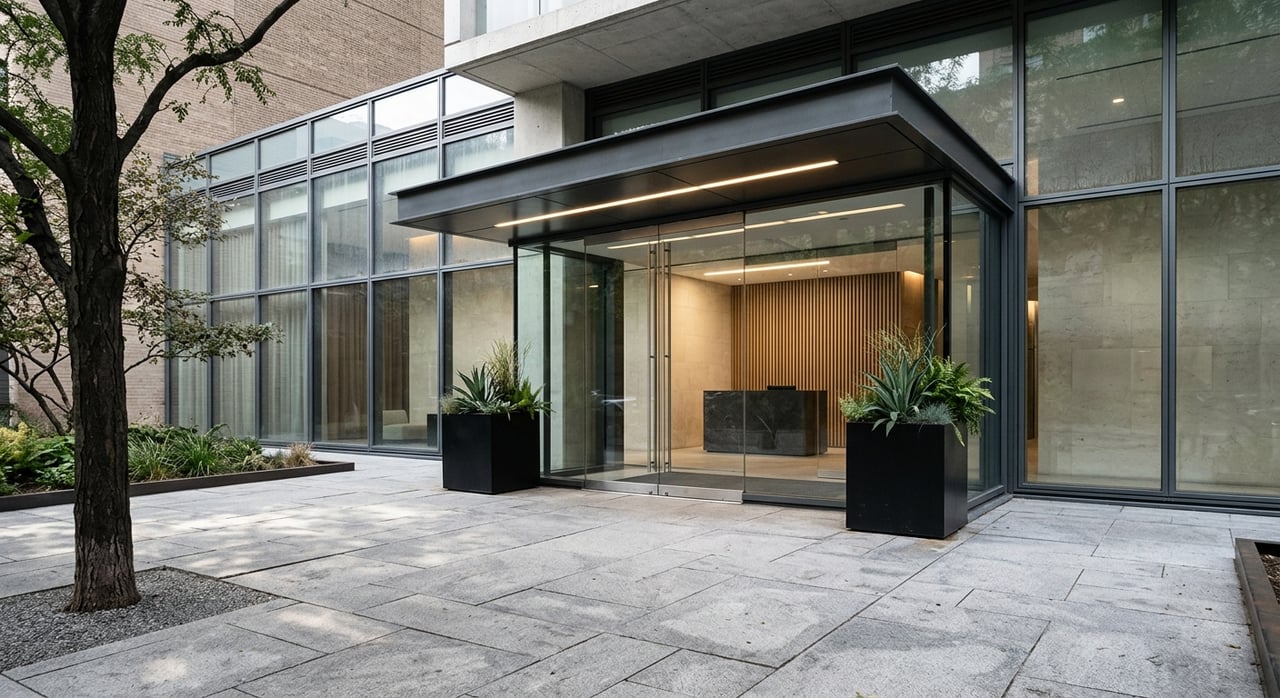
If you are considering a move here, it helps to know that Seaport’s housing stock has a clear pattern. The neighborhood leans heavily toward luxury towers and amenity-rich buildings, often with studios through three-bedroom layouts, concierge services, fitness centers, garages, and water or city views.
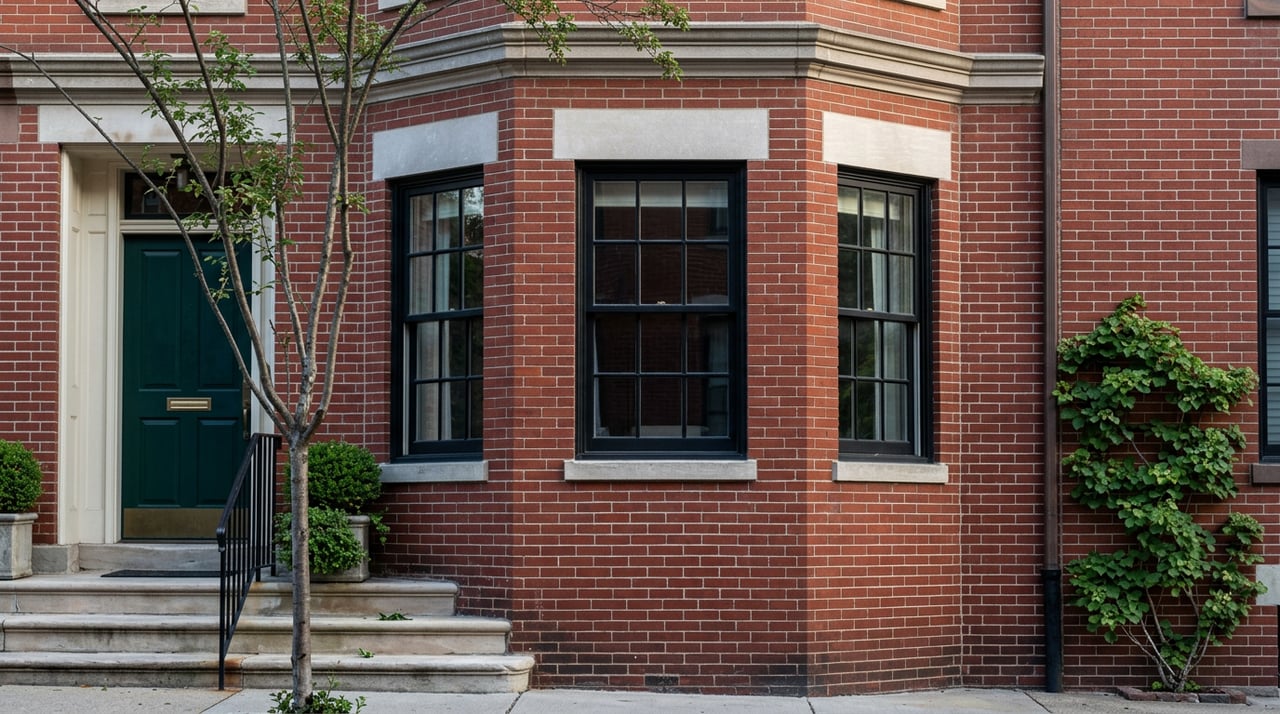
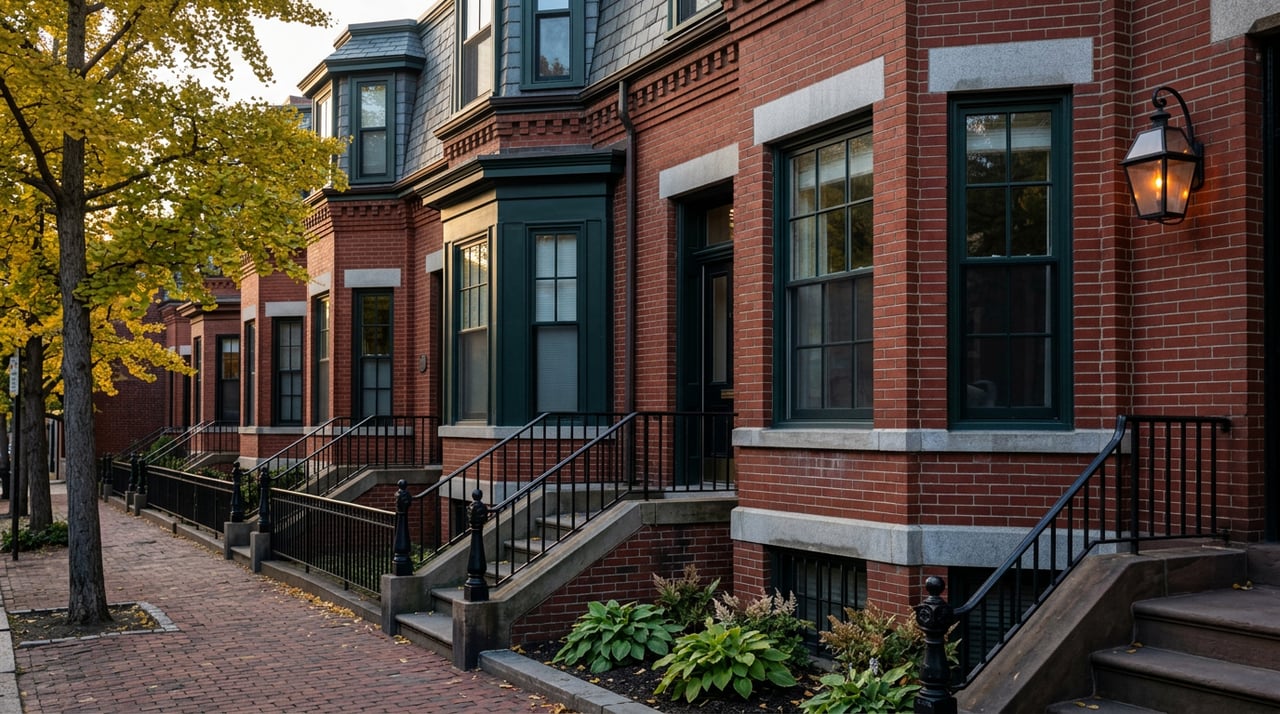
This is a different housing experience from Boston’s older brownstone neighborhoods. In Seaport, many buyers and renters are drawn to newer construction, building services, and lock-and-leave convenience.
Common building style and layout
Across the district, homes often sit in mid-rise and high-rise properties designed around modern living. That can include expansive windows, contemporary finishes, shared amenity spaces, and floor plans that support remote or hybrid work.
For urban professionals, that housing profile often aligns with everyday priorities like efficiency, convenience, and access to both in-building and neighborhood amenities. If you want your gym, front desk, lounge spaces, and dining options close at hand, Seaport is built to deliver that type of experience.
Examples of Seaport residential options
A few examples from the neighborhood show how consistent that housing pattern is:
- The Benjamin is a 22-story rental community at 25 Northern Ave with studios, one-, two-, and three-bedroom apartments, expansive windows, spa-inspired baths, and work-from-home-friendly spaces.
- VIA Seaport is a 20-story apartment tower at 5 Fan Pier Blvd with studios through three-bedrooms, retail and dining on the first three floors, a fitness center, roof deck lounge space, concierge, and direct adjacency to Courthouse Station.
- EchelonSeaport includes two condominium towers at 133 and 135 Seaport Blvd in a mixed-use waterfront development with more than 50,000 square feet of amenities, including pools, lounges, and spa and fitness features.
- 50 Liberty is a 14-story, 120-unit waterfront condo building with concierge service, a fitness center, resident lounge, garage parking, and private waterfront terraces.
- 100 Pier 4 is a luxury rental building with modern apartment finishes, city and waterfront views, and a fitness center.
Taken together, these properties reflect Seaport’s broader identity: amenity-driven, low-maintenance, and closely tied to waterfront living and commute convenience.
Is Seaport Walkable for Daily Life?
In practical terms, yes. Seaport is especially walkable for the routines many urban professionals care about most, including coffee runs, fitness classes, waterfront walks, and after-work dining.
That does not mean every need is solved exactly the same way as in every other Boston neighborhood. But if your ideal setup includes being able to step outside for a workout, grab breakfast nearby, walk along the water, and meet friends after work without getting on a train, Seaport supports that rhythm well.
What to Consider Before You Move
Seaport offers a very specific kind of Boston lifestyle. It tends to appeal to people who want newer buildings, strong amenities, polished common spaces, and a neighborhood where work, transit, and social life overlap.
If that sounds like your pace, the next step is usually narrowing down which building, layout, and location within the district best fits your routine. Some buyers prioritize direct transit access, others want more of a waterfront setting, and others focus on building amenities or lock-and-leave convenience.
That is where neighborhood-level guidance matters. In a district where many homes can look similar on paper, understanding the differences between buildings, amenity packages, and micro-locations can help you make a more confident move.
If you are weighing a move to Seaport or comparing it with other Boston neighborhoods, Steph Crawford Group can help you evaluate the options with clear, hyperlocal guidance tailored to how you actually live.
FAQs
What is daily life like in Boston’s Seaport District?
- Daily life in Seaport often centers on convenience, with nearby coffee shops, fitness studios, waterfront walking areas, dining, and multiple transit options all built into the neighborhood.
How do residents commute from Seaport Boston?
- Many residents use the Silver Line, South Station connections, local bus routes, ferries, and SL1 access to Logan Airport, depending on where they work and how often they travel.
What types of homes are common in Seaport Boston?
- Seaport is known for luxury rentals and condos in mid-rise and high-rise buildings, often with amenities like concierge service, fitness centers, garage parking, and shared lounge spaces.
Is Seaport Boston walkable for urban professionals?
- Seaport is especially walkable for everyday routines like grabbing coffee, going to a workout class, taking a waterfront walk, and meeting friends for dinner or drinks after work.
Why do urban professionals consider living in Seaport Boston?
- Many are drawn to Seaport for its newer housing stock, amenity-rich buildings, waterfront setting, flexible commuting options, and the ease of having work, social life, and daily errands close together.