Is “brownstone” just a style, a material, or a little of both? If you are eyeing a home in Back Bay, you will hear the term a lot. You want clarity before you tour, renovate, or sell. In this guide, you will understand what a brownstone really is, how Back Bay’s historic architecture works, and what to watch for as a buyer or seller. Let’s dive in.
What people mean by “brownstone”
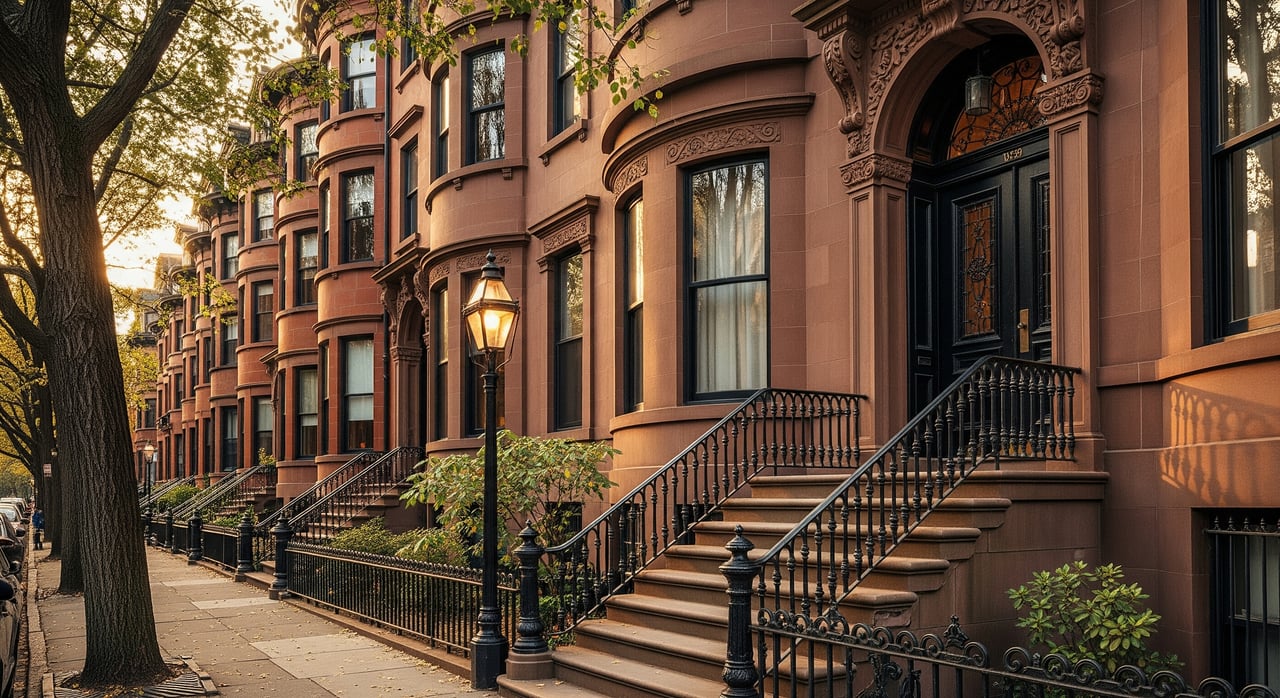
In everyday real estate conversation, “brownstone” often describes a classic attached city house with a stoop, tall parlor-floor windows, and rich brown or brick façades. Technically, a brownstone is a rowhouse faced with brown-colored sandstone or designed to evoke that look. Not every property marketed as a brownstone is built of true brownstone.
You will also hear “townhouse” and “rowhouse.” A rowhouse simply means a home attached on both sides in a continuous row. In the U.S., “townhouse” is often used interchangeably with rowhouse for multi-level urban homes. “Brownstone” emphasizes the material and architectural feel rather than the ownership type.
Back Bay architecture at a glance
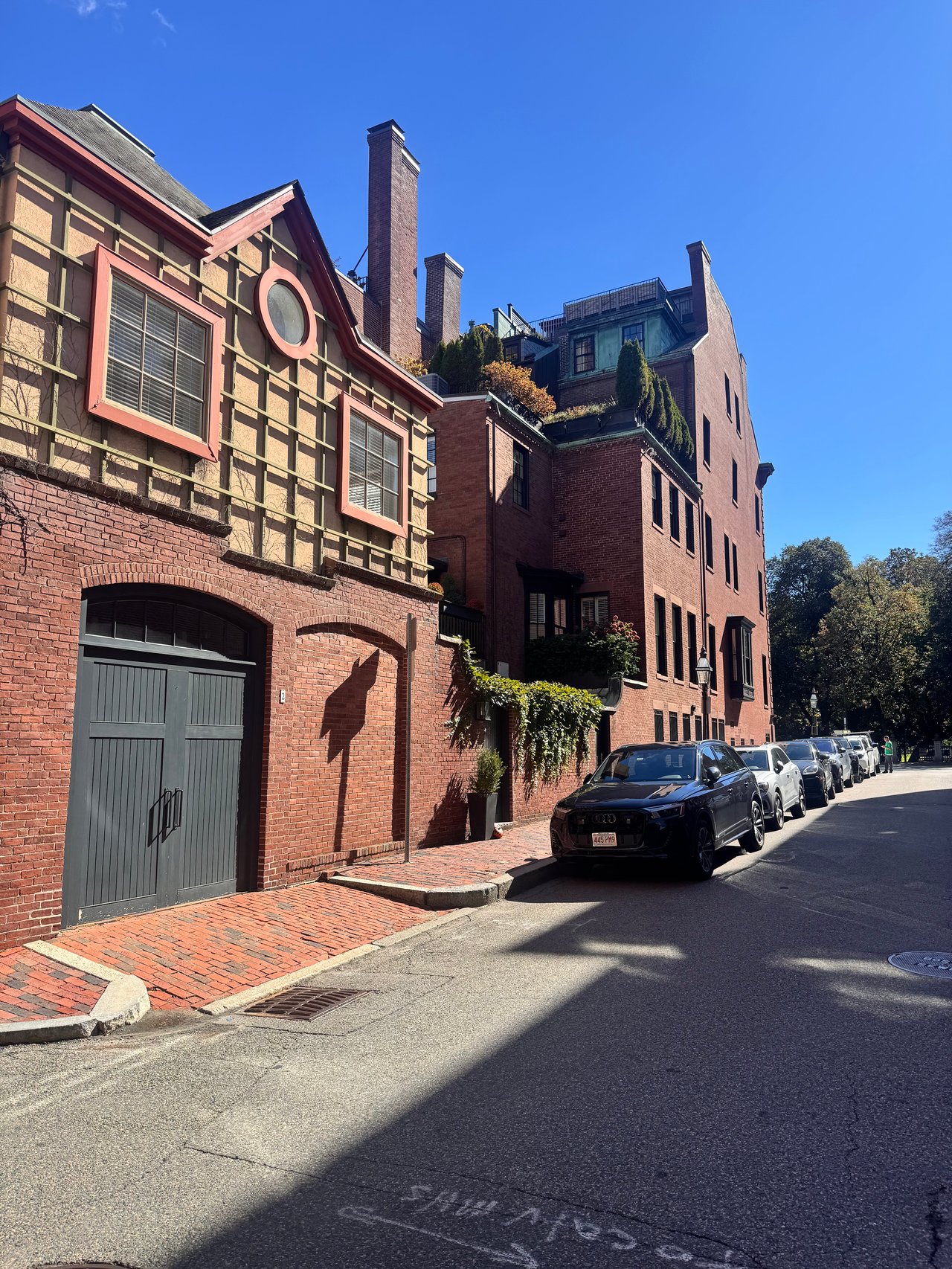
Back Bay is one of Boston’s signature historic neighborhoods. Built on reclaimed tidal flats in the 19th century, it grew into an upscale, planned district with broad landscaped avenues like Commonwealth Avenue and long, elegant rows of masonry houses.
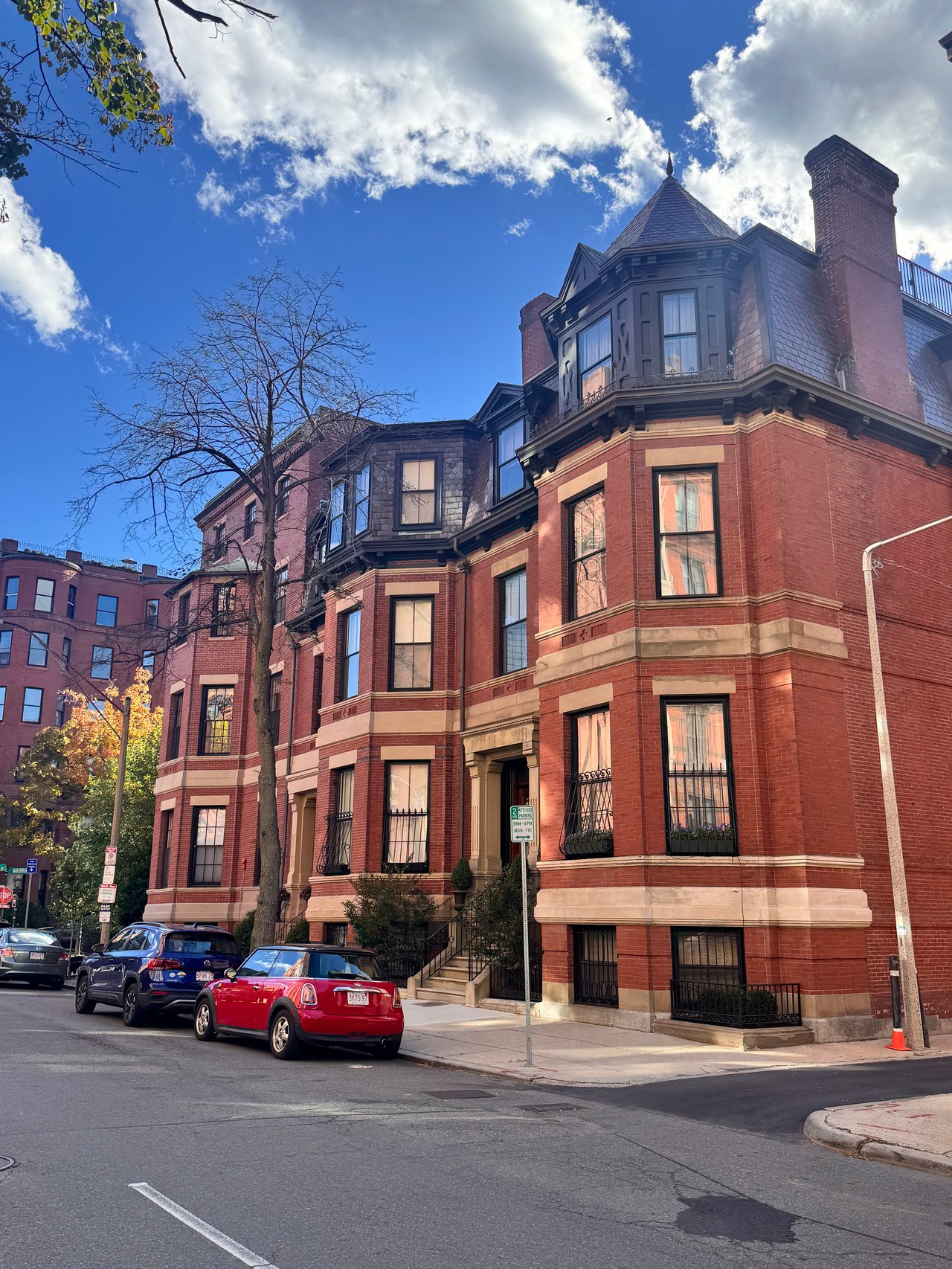
The neighborhood’s architecture is highly cohesive. You see Italianate, Second Empire, French Renaissance, and other Victorian-era styles repeating block after block. Façades align in height and setback, and details like stoops, cornices, and ironwork create a consistent streetscape. Much of Back Bay lies in a designated historic district, which helps preserve these façades and street views and affects what owners can change on exteriors.
How to spot a Back Bay brownstone
You can recognize a Back Bay brownstone by a handful of defining features:
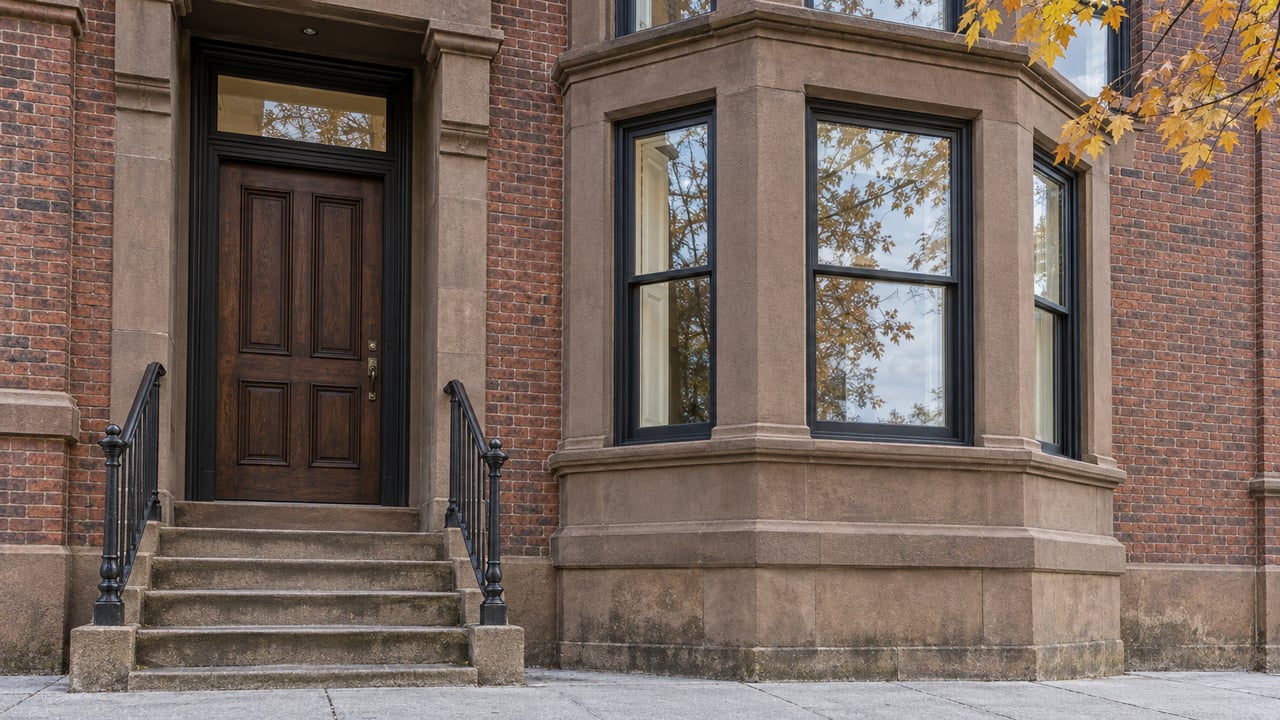
- Stoop: An elevated stair leads to the parlor or piano nobile level.
- Areaway or garden level: A sunken area and stair to a lower level near the sidewalk.
- Vertical proportions: Narrow frontage with 3 to 5 stories.
- Parlor floor: Taller ceilings and larger windows for the main entertaining space above street level.
- Cornices and lintels: Decorative horizontal bands and carved surrounds around windows and doors.
- Ironwork: Railings, grilles, and balcony details.
Materials vary. True brownstone is a workable brown sandstone with warm hues. Many Back Bay façades combine brick walls with brownstone trim, while granite often appears at foundations and steps for durability. Cast-iron details are common.
Inside, expect narrow, deep floor plans, axial rooms, and tall ceilings on the parlor level with more modest heights above. Some homes retain service stairs, small rear yards, or former carriage spaces now adapted to modern living.
Is it real brownstone or just the look?
Not every “brownstone” is faced with actual brownstone. Many are brick with stone trim or brown‑tinted brickwork. If material matters for maintenance, ask your inspector or a preservation-minded architect to confirm the stone type and condition. Historical records or architectural surveys can also help.
Buying checklist for Back Bay brownstones
Touring a historic rowhouse is different from viewing newer construction. Use this quick checklist to focus your due diligence.
Exterior and masonry
- Look for surface flaking or spalling on brownstone and carved details.
- Ask about past stone repairs, such as patching, dutchman repairs, or cast stone replacements.
- Confirm that any repointing used appropriate mortar compatible with older masonry.
- Check for rust stains or bulging near anchors and railings that could signal iron corrosion.
Water and lower levels
- Examine areaways, garden levels, and basements for signs of water entry.
- Ask about drainage, sump pumps, and any waterproofing.
- Review foundation conditions and lintels over openings that may leak.
Roof, cornice, and windows
- Inspect roof membranes and flashing. Water from above can travel into exterior walls.
- Check cornices and window surrounds for cracks or gaps.
- Understand the window type. Original single-pane windows can often be repaired and weatherstripped, and interior storm panels may be an option.
Systems and energy efficiency
- Older masonry walls and single-pane glazing can be less efficient. Ask about insulation, HVAC, and whether storm windows or interior upgrades were added.
- Confirm if exterior energy upgrades faced review from local commissions.
Layout and accessibility
- Stoops and multiple levels can be challenging for mobility. Consider how stairs and narrow halls fit your needs.
- Note ceiling heights by level, especially the parlor floor.
Ownership structure and fees
- Many brownstones are now condominiums or multi-unit buildings. Understand the association’s maintenance plan and budget for shared exterior work.
- If single-family, you carry full responsibility for façade, roof, and systems.
Renovation and approvals in Back Bay
Back Bay’s historic status means exterior changes are often regulated. Plan ahead to avoid surprises.
What usually requires review
Exterior work typically needs review by the City of Boston’s landmarks or neighborhood architectural commission. This may include window and door replacements, façade repairs, stoop work, and changes visible from public ways. Interior work is usually less restricted, but certain landmarked properties may have conditions.
How to approach planning
- Consult the City of Boston Landmarks Commission or the Back Bay Architectural Commission early in your planning.
- Work with architects and contractors experienced in historic buildings.
- Expect to specify materials and profiles that match or are compatible with the original design.
Preservation best practices
- Prioritize repair over replacement when possible, especially for original wood windows and historic masonry.
- If replacement is necessary, match the original look and detailing as closely as the review body requires.
- Secure approvals before starting work to avoid delays or rework.
Maintenance, insurance, and long-term care
Historic brownstones reward careful stewardship. Brownstone sandstone is softer and more porous than granite, so it weathers differently. Expect periodic masonry maintenance, including repointing, patching, or targeted stone replacement. Iron anchors and decorative metalwork can corrode and stain, which may require both metal and masonry repair.
Insurance and restoration costs can be higher for historic masonry compared with newer buildings. Get estimates from preservation-savvy contractors and budget for specialized work. If you plan energy upgrades, coordinate with professionals who understand older walls, moisture management, and potential review requirements.
Investment and resale outlook
Back Bay’s cohesive architecture and historic prestige support long-term demand. The market rewards well-maintained façades, thoughtful updates, and compliant exterior work. Value also depends on whether the property is a single-family home or part of a condominium, as well as overall condition and modernization level.
Quick glossary
- Brownstone: A rowhouse with a façade of brown-colored sandstone or a similar look.
- Rowhouse: A home attached in a continuous row, sharing party walls.
- Townhouse: Often used interchangeably with rowhouse in U.S. urban settings.
- Stoop: Elevated entry stair to the parlor level.
- Parlor floor (piano nobile): Main entertaining level with taller ceilings above the street.
- Areaway: Sunken space at the front leading to the garden or basement level.
- Lintel: Horizontal support above windows or doors.
- Cornice: Decorative horizontal band or projection at the roofline.
- Repointing: Renewing mortar joints between masonry.
- Spalling: Flaking or surface loss of stone or brick.
Where to start locally
If you are exploring a purchase or planning exterior work, start with these resources:
- City of Boston Landmarks Commission and Back Bay Architectural Commission for local historic district rules and design review details.
- Boston Planning & Development Agency for neighborhood planning context.
- Massachusetts Historical Commission for property inventories and surveys.
- National Park Service for the Back Bay Historic District listing and preservation briefs on masonry and windows.
- Historic New England and Preservation Massachusetts for guidance on New England materials and preservation practices.
- Boston Public Library local history collections and the Library of Congress Historic American Buildings Survey for photographs and documentation.
Work with a Back Bay specialist
Buying or selling a Back Bay brownstone is part architecture, part permitting, and all about smart preparation. You deserve a team that knows the block-by-block differences, the review process, and what upgrades buyers value most. The Steph Crawford Group delivers a high-touch, research-driven experience for Boston’s historic homes, with a structured, six-step seller program and informed buyer representation across Back Bay and core city neighborhoods.
Ready to talk strategy or learn your property’s market position? Get started with a friendly, data-informed consult today with The Steph Crawford Group. Get Your Home's Value.
FAQs
What does “brownstone” mean in Back Bay?
- In Back Bay, “brownstone” usually refers to a 19th-century attached home with a stoop and ornate façade, often faced in brown sandstone or designed to evoke that appearance.
How are brownstones different from townhouses and rowhouses?
- A rowhouse is any home in a continuous row with shared walls, “townhouse” is often used interchangeably, and “brownstone” highlights the material and classic stoop-parlor layout.
Do I need permission to change my brownstone’s exterior?
- Most exterior changes in Back Bay’s historic districts require review and approval by local commissions; consult them early in your project planning.
What maintenance issues are common with brownstone façades?
- Expect periodic repointing, patch repairs for spalling, attention to ironwork corrosion, and careful moisture management at areaways, basements, and lintels.
Are Back Bay brownstones energy efficient by default?
- Not by original design; many owners add insulation, modern HVAC, and interior storm windows, though exterior changes may be regulated.
How can I confirm if a façade is true brownstone?
- A qualified home inspector or preservation architect can identify the stone type and condition; historical surveys may also provide confirmation.
What ownership structures are common in Back Bay brownstones?
- Many have been converted to condominiums or multi-unit rentals, while others remain single-family; ownership type affects maintenance responsibility and fees.