Trying to choose between a charming Cambridge condo conversion and a sleek new construction unit? It is a real trade-off. You want the right blend of character, comfort, budget, and long-term value in a city where location and timing matter. In this guide, you will get a clear breakdown of how conversions and new builds compare on approvals, financing, construction, amenities, timelines, and resale in Cambridge. Let’s dive in.
Conversion vs new build: quick overview
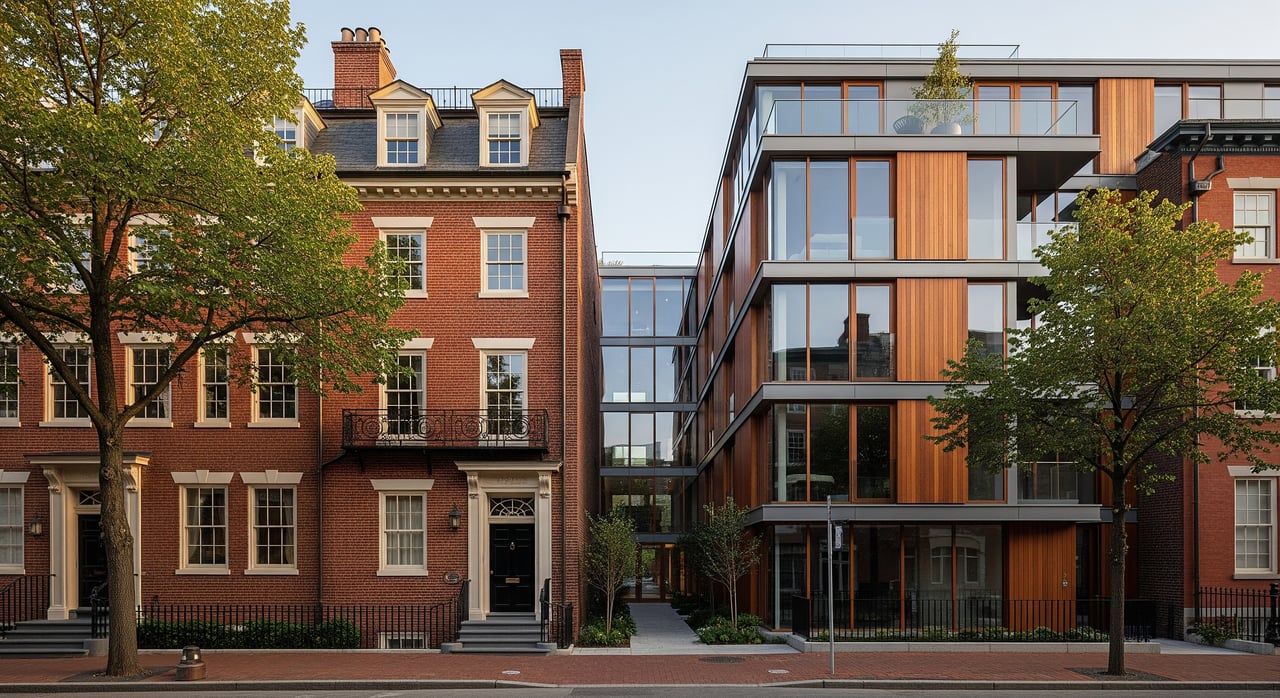
Condo conversions reuse existing structures. That can preserve neighborhood character and often gets homes to market faster. New builds start from the ground up, which allows modern layouts, efficient systems, and more amenities, but usually takes longer and faces more approvals.
In Cambridge, demand is shaped by proximity to Harvard, MIT, Kendall Square, and the MBTA Red Line. Both well-executed conversions and quality new builds can sell quickly when priced and marketed well. The best choice depends on your priorities.
Regulations and approvals in Cambridge
Both paths require permitting and compliance with Massachusetts law and local rules.
- Conversions: Expect condominium formation under Chapter 183A of the Massachusetts General Laws, building permits for any work, inspections, and a Certificate of Occupancy. If the property is in a historic district or is a designated landmark, exterior changes may require review by the Cambridge Historical Commission.
- New builds: Anticipate zoning review with the Cambridge Community Development Department and Planning Board, possible Special Permits, and full building permitting through Inspectional Services. Larger projects can trigger inclusionary housing requirements or mitigation set by the city. Rules and thresholds change, so confirm current details with the city before you proceed.
If you are buying, ask for the recorded condo documents and proof of permits and inspections. If you are selling or developing, plan for the timeline impact of Planning Board and Historic Commission reviews.
Financing, HOA, and insurance
Mortgage approval often comes down to the project’s health and documentation.
- Financing: Lenders evaluate condo associations for reserves, insurance, owner-occupancy, and special assessments. FHA and VA programs may require project-level approval. For new builds, presales and developer reputation can influence financing options. Always confirm with your lender early.
- Insurance: Converted buildings can carry higher premiums if systems are older or if there is an elevated water or fire risk. New construction typically benefits from updated systems and may include limited warranties that reduce certain exposures.
- HOA fees and reserves: New buildings with amenities like gyms or concierge services often have higher operating costs reflected in HOA fees. Smaller conversions may have lower monthly fees, but some lack robust reserve funding. Evaluate the reserve study and operating budget rather than assuming one type is cheaper.
Construction and safety differences
New construction must meet current building and energy codes. Conversions trigger upgrades based on scope and use.
- Life safety: New builds are designed for modern fire protection, egress, and structural standards. Conversions often require targeted upgrades to meet code before they receive a Certificate of Occupancy.
- Hidden conditions: Older structures can conceal issues such as lead paint, asbestos, outdated wiring, or old fuel tanks. Remediation is regulated and can add time and cost. Ask for documentation of any abatement or system replacements.
- Warranties and workmanship: New builds usually provide limited developer or contractor warranties on major systems. Conversions may offer warranties for specific work completed, but coverage varies by project.
Energy efficiency and accessibility
- Efficiency: New construction benefits from modern insulation, high-performance windows, and up-to-date HVAC. Massachusetts policies also encourage electrification and heat pumps. Conversions can be retrofitted, but performance may vary by building age and scope.
- Accessibility: New buildings can be designed with accessibility and universal design in mind. Conversions may face structural constraints that limit full accessibility without substantial changes.
Marketability and resale in Cambridge
Buyer preferences in Cambridge are shaped by convenience, quality, and character.
- Layout and amenities: New builds often deliver open-plan kitchens, in-unit laundry, elevator access, bike rooms, and storage. Conversions vary widely based on the existing structure and the level of renovation.
- Location and character: Conversions in prime locations near Red Line stations such as Kendall/MIT, Central, Harvard, and Porter can be highly attractive if they combine historic details with updated systems. New buildings in transit-oriented locations also perform well, especially when they balance amenities with reasonable HOA fees.
- Resale liquidity: A well-documented condominium association with adequate reserves, insurance, and owner-occupancy supports financing and broadens your buyer pool, regardless of property type.
Timelines and cost drivers
Time impacts both your housing plans and your financial exposure.
- Timeline: Conversions can be quicker when work is modest and straightforward. New builds typically run on multi-year schedules because of entitlements, site work, and full construction. Specific durations vary with permitting, neighborhood feedback, and contractor availability.
- Costs: New builds face land acquisition, demolition, and full construction costs. Conversions face remediation, structural or utility upgrades, and potential code-triggered improvements. Zoning rules, parking requirements, and affordable housing obligations can influence the budget for both.
- Risk: Conversions carry unknowns behind walls and in older systems. New builds carry market absorption risk and larger upfront capital needs.
How to choose in Cambridge
Start with the way you live and your time horizon.
- If you prioritize modern systems, energy performance, elevators, and amenities, a new build may fit. Expect a higher price point and potentially higher HOA fees.
- If you value historic character and a shorter path to closing, a quality conversion can be a strong option. Just verify documentation, upgrades, and reserves.
- In both cases, weigh proximity to the Red Line, bike routes, and key employment centers. In Cambridge, transit access often drives long-term demand.
Buyer checklist: conversion units
Use this list to reduce risk and confirm value.
- Recorded condo documents: master deed, declaration, bylaws
- Reserve study and HOA budget: funding levels, planned assessments
- Permit history and Certificate of Occupancy for conversion work
- Proof of hazardous-material abatement for lead or asbestos
- Warranties for HVAC, roof, plumbing, and electrical upgrades
- Insurance details: current premiums and any prior claims
- Financing options: ask whether FHA or VA financing is available
- Physical inspection focus: electrical capacity, plumbing condition, roof, water intrusion, window performance, fire safety, and egress
- Neighborhood context: distance to MBTA stations, potential local noise, and any planned nearby developments
Buyer checklist: new construction
Confirm quality and project stability before you commit.
- Developer track record and warranty coverage
- Recorded condo documents, budget, and reserve funding plan
- Construction details: building envelope, HVAC type, sprinkler and alarm systems
- Amenity operations: staffing, maintenance, and associated HOA costs
- Financing status: lender acceptance and any presale requirements
- Timeline and delivery date expectations
Seller and developer checklist
If you are bringing a conversion or new build to market, prepare for buyer diligence.
- Ensure condo documents are complete and recorded
- Commission a reserve study and finalize a transparent budget
- Provide permits, inspection sign-offs, and remediation documentation
- Highlight unique selling points: location, transit access, historic features or modern amenities
- Understand local inclusionary and zoning obligations; confirm current rules with the city
- Anticipate review timelines for the Planning Board and Historical Commission where applicable
Cambridge neighborhoods and transit
Transit orientation is a major pricing factor in Cambridge. The MBTA Red Line stations serving the city include Kendall/MIT, Central, Harvard, and Porter. Homes near these stations tend to see strong demand, which can support both conversion and new-build values. Parking is often limited, and local policy prioritizes transit and biking, so consider how you commute and move around the city when you evaluate a building and its location.
Property taxes and assessments
Both conversions and new construction can lead to reassessment by the City Assessor. The timing depends on local procedures and when the work is completed. If you are budgeting for ownership, factor in potential changes to assessed value and be aware of the appeals process.
The bottom line
You are choosing between flexibility and finish. Conversions can help you secure a character-rich home in a great location sooner. New construction gives you modern systems, better efficiency, and often more amenities. In Cambridge’s competitive market, the best move is to verify documents, confirm financing early, and align the property’s strengths with your lifestyle.
Ready to compare specific buildings, budgets, and timelines? Reach out to the Steph Crawford Group for local guidance tailored to your goals in Cambridge.
FAQs
Are Cambridge condo conversions less safe than new builds?
- Safety depends on the upgrades required and completed during permitting. Conversions often need targeted improvements to meet code before receiving a Certificate of Occupancy.
Can I use FHA or VA financing on a converted condo in Cambridge?
- Possibly. FHA and VA programs review condo documents, reserves, insurance, and owner-occupancy. Confirm eligibility with your lender early in the process.
Will my Cambridge property taxes change after a conversion or new build?
- Both scenarios can trigger reassessment by the City Assessor. Check procedures and timing, and plan for potential changes in assessed value.
Do conversions always have lower HOA fees than new construction?
- Not always. Fees reflect amenities, staffing, operating costs, and reserves. New builds may cost more to operate, while small conversions can have low fees but limited reserves.
How long does a new-build condo take compared with a conversion?
- New construction frequently takes longer, often measured in years, while a modest conversion may be completed in months. Actual timelines vary based on permitting, scope, and unforeseen conditions.