Picture yourself on a tree-lined South End block. Do you see your own stoop and a private roof deck, or a stylish condo with the elevator doing the heavy lifting? Choosing between a rowhouse and a condo here is exciting, but the differences can affect your budget, renovation plans, and resale. In this guide, you’ll compare ownership, costs, financing, inspections, and lifestyle fit specific to the South End. You’ll leave with a clear checklist to make the right call. Let’s dive in.
Quick definitions in the South End
What is a rowhouse?
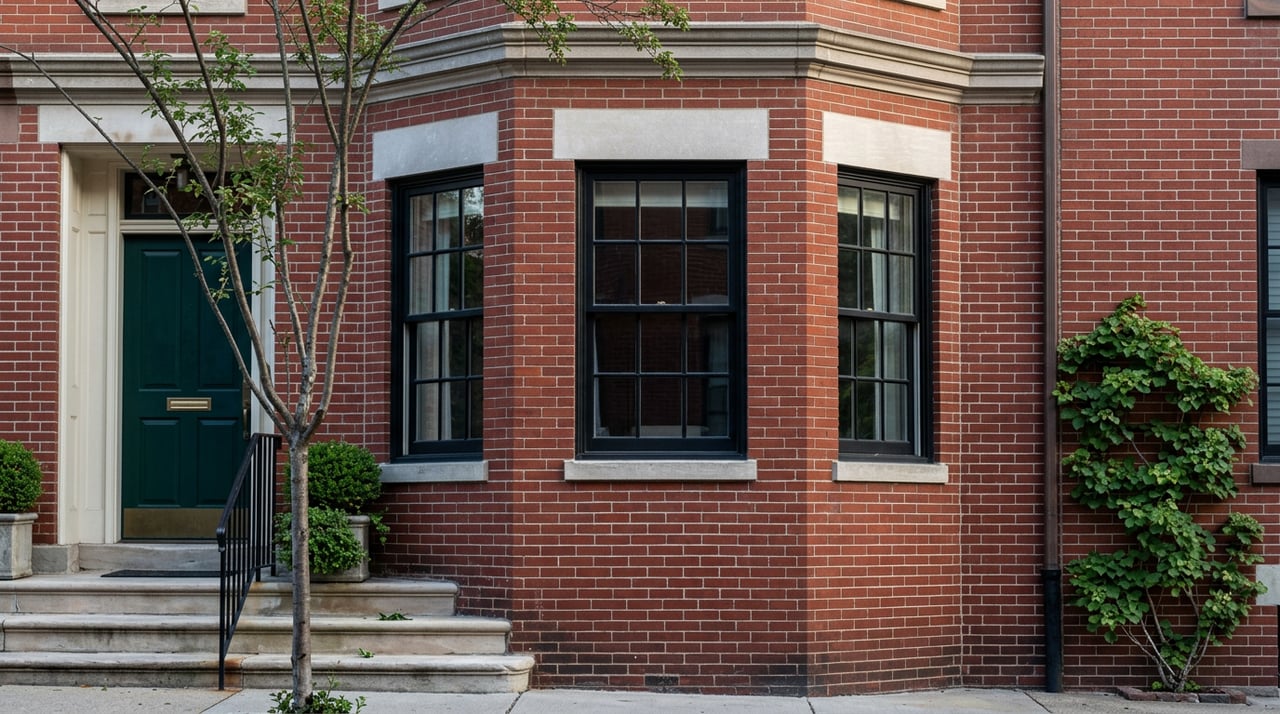
A rowhouse, often called a brownstone or townhouse, is typically a multi-story home that shares party walls with neighbors along a continuous street frontage. In the South End, many are historic Victorian brick or brownstone structures. A single-family rowhouse is usually fee simple, so you own the entire building and lot.
What is a condo?
A condominium is a legal form of ownership where you own a defined unit and share common areas with other owners. A condo association manages those common elements and funds them through monthly fees. Your title includes your unit and an undivided interest in shared spaces.
Where hybrids show up locally
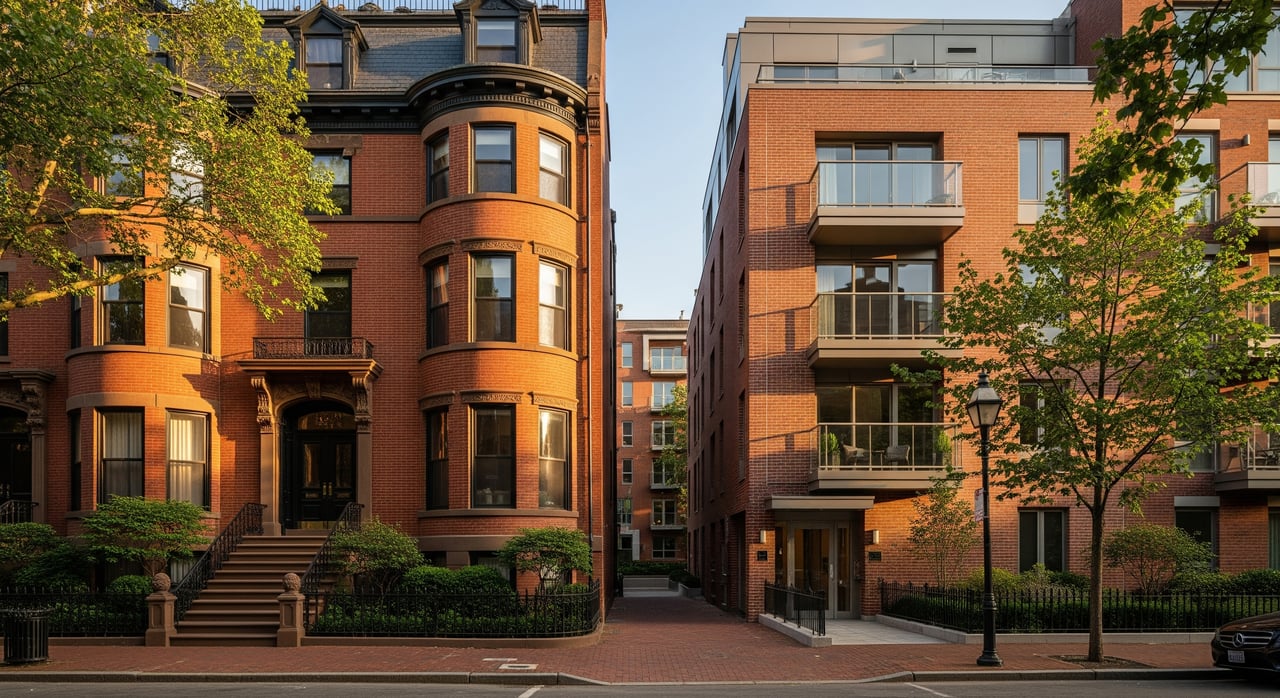
Many South End brownstones have been converted into condos, such as full-floor residences or duplex units within a single building. You will see single-family rowhouses, multi-unit condos, and rental buildings all on the same blocks. The ownership form drives costs, rules, and renovation options.
Ownership and control
Buying a fee-simple rowhouse gives you full control of the building and lot. You decide how and when to repair the roof, brickwork, or systems, subject to local permitting and historic approvals. That control comes with full responsibility and costs.
With a condo, you own the interior of your unit and share responsibility for the building’s exterior and common systems. The association makes decisions, sets budgets, and can levy special assessments for big projects. You trade some control for shared costs and lower day-to-day maintenance.
Monthly costs and long-term expenses
Condos: fees and predictability
- Monthly condo fees fund things like building insurance, snow removal, roof or elevator maintenance, reserves, and sometimes utilities.
- Fees vary by building size and amenities. Review the budget, reserve study, and recent meeting minutes to spot upcoming projects.
- You’ll also carry an HO-6 insurance policy for your unit’s interior. Property taxes are billed by the City of Boston based on assessed value.
Rowhouses: no HOA, higher responsibility
- There is no monthly condo fee, but you cover all maintenance, utilities, and capital repairs on your own timeline.
- Common South End items include façade repointing, roof and gutter work, basement waterproofing, and modernization of older heating systems.
- You’ll carry a homeowners policy that covers the structure and contents, which can cost more based on age and construction type. Property taxes apply at the same city rate.
Financing differences
Lenders underwrite condos and rowhouses differently. For condos, a lender will review the association’s documents, budget, reserve levels, and ownership concentration. Certain loan types, such as FHA or VA, may require formal condo project approval.
A fee-simple rowhouse typically follows standard single-family underwriting. Your lender will focus on condition, marketability, and your credit and income. Ask your lender early about condo project requirements and whether your loan program fits the building.
Renovations and permits in the South End
Many South End streetscapes are within historic districts. Exterior changes often require review and approval by the Boston Landmarks Commission. Stoops, windows, façades, and street-facing elements typically fall under that review.
Interior renovations usually do not require historic approval unless they affect protected features or the exterior. Major work still needs permits from Boston Inspectional Services Department. Projects like layout changes, roof decks, dormers, or structural and mechanical upgrades require proper permits and inspections.
Older buildings can include lead paint, knob-and-tube wiring, steam systems, or asbestos in mechanicals. Order the appropriate inspections and plan for safe remediation where needed.
Inspections to prioritize
For any property
- Full home inspection covering structure, roof, foundation, electrical, plumbing, and HVAC.
- Pest inspection and, for pre-1978 properties, lead testing as appropriate.
- Confirm what permits were pulled for prior renovations and that they are properly closed.
Extra steps for condos
- Inspect your unit and review building-level reports, recent repairs, and any structural assessments.
- Request the master deed, bylaws, rules, financial statements, reserve study, last 12–24 months of meeting minutes, insurance certificate, and any pending litigation disclosures.
- Ask about special assessments under consideration and what the reserves are designed to cover.
Extra steps for rowhouses
- Evaluate the façade, mortar, stoop, roof, gutters, foundation, and basement for water management.
- Review heating system age and type, chimney access, and electrical capacity.
- Obtain contractor estimates for near-term maintenance like repointing or waterproofing, and confirm no unpermitted work or code violations.
Parking, transit, and lifestyle
Parking can be limited on historic blocks, especially for single-family rowhouses without on-site spots. Some condo buildings offer deeded spaces or rental options. Many buyers prioritize walkability, nearby restaurants, galleries, and parks, and transit access to Back Bay and nearby employment hubs. Weigh how you move through the city daily and whether parking or an elevator matters more to you.
Who tends to choose what
Buyers attracted to lower maintenance, predictable monthly costs, and elevator access often lean toward condos. Downsizers and first-time buyers may like the association handling exterior work.
Buyers who want more space, private outdoor areas, and full control over a property lean toward fee-simple rowhouses. These can be premium homes with strong appeal for households that value customization and privacy.
Resale and investment view
Condos generally have a larger buyer pool and can be easier to resell at certain price points. They attract first-time buyers, some investors, and downsizers.
Rowhouses often command premiums for full-building control and space, but the buyer pool can be narrower. Time to find the right buyer may be longer, especially for homes needing major work.
If you plan to rent, verify condo bylaws and City of Boston rental rules. Short-term rentals require registration and must meet local standards. Not all associations permit them.
Decision checklist
Use this to compare specific homes on your short list:
- Ownership type: Fee simple, condominium, or other? Get clarity on what you own and what is shared.
- Historic status: Is the property in a historic district? What exterior work needed approvals in the past?
- Building condition: Roof, façade, drainage, foundation, chimneys, heating system age and type.
- Prior work: What permits were pulled and closed for renovations? Any open violations?
- Condo review: Master deed, bylaws, rules, financials, reserve study, meeting minutes, insurance certificate, ownership concentration, rental policy, and any litigation.
- Assessments: Are there planned special assessments or major projects on the horizon?
- Utilities and insurance: Average monthly costs, and quotes for HO-6 or homeowners insurance.
- Financing fit: Will the condo association meet your lender’s requirements? Are FHA/VA approvals needed?
- Lifestyle fit: Parking, outdoor space, stairs vs elevator, and proximity to parks and daily needs.
Three quick scenarios
- The low-maintenance professional: You value predictable costs and lock-and-leave living. A well-managed condo with strong reserves and an elevator likely fits best.
- The growing household: You want more space, private outdoor areas, and control over improvements. A fee-simple rowhouse can deliver, as long as you are ready for maintenance and historic-district rules.
- The investor or part-time resident: You need clarity on rental policies and local regulations. A condo with flexible bylaws or a rowhouse with a stable long-term rental plan may work, depending on your strategy.
Ready to compare actual South End options and run numbers on fees, maintenance, and resale? Reach out to the Steph Crawford Group for hyperlocal guidance and a confident path to your ideal home.
FAQs
What are the biggest cost differences between South End rowhouses and condos?
- Condos have monthly fees and potential special assessments, while rowhouses have no HOA but you pay for all maintenance and capital repairs yourself.
Can I change windows or add a roof deck on a South End brownstone?
- Exterior changes often require Boston Landmarks Commission approval, and major work needs permits from Boston Inspectional Services; plan for added time and cost.
How do lenders treat South End condos compared with single-family rowhouses?
- Condo loans include a review of the association’s documents, budget, and reserves, while single-family rowhouse loans focus on the property’s condition and your credit.
What should I review in a condo before I buy?
- Request the master deed, bylaws, rules, financials, reserve study, recent meeting minutes, insurance certificate, rental policy, ownership concentration, and any litigation disclosures.
Are short-term rentals allowed in South End condos?
- Many associations restrict them, and the City of Boston requires registration and compliance; confirm building bylaws and local rules before you buy.
Which has better resale in the South End: condo or rowhouse?
- It depends on buyer demand, location, condition, and features; condos offer wider buyer pools while rowhouses can command premiums for space and control.